The Iranian Red Crescent Society has been operating on Iranian soil for over a century. Founded in 1922 as the Red Lion and Sun Society, it changed its name and emblem in 1980, adopting the Red Crescent. It informed the international community of this shift at the time, while reserving the right to return to its former symbol. The organization has been affiliated with the International Federation of Red Cross and Red Crescent Societies since 1924. It is one of the largest national societies within that global network.
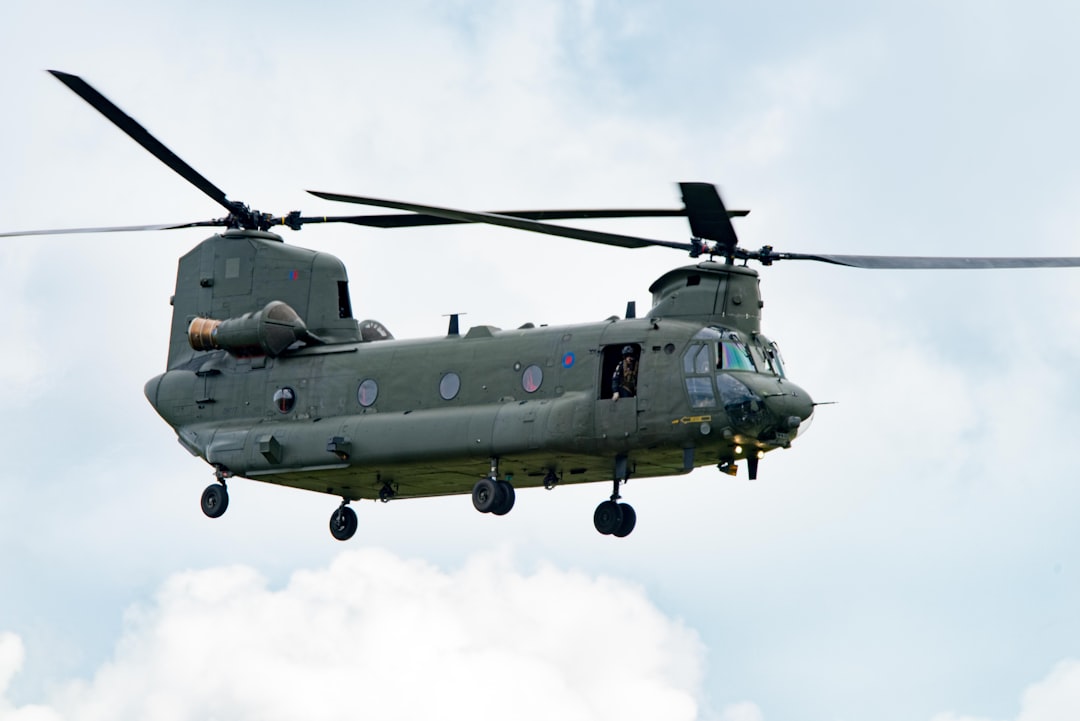
On October 3, 2025, one of its rescue helicopters went down in Lorestan province. Nine people were on board. At least two died. Several others were injured. The helicopter was likely on a relief mission. The exact purpose of the flight has not been detailed in available reports, but the Iranian Red Crescent is a primary responder to natural disasters and humanitarian crises across the country.
Lorestan province is mountainous, with rugged terrain that complicates both rescue operations and routine flights. The crash site itself is now the focus of an investigation, though specific causes have not yet been released. What is known is that the helicopter carried a crew and passengers totaling nine individuals. The Red Crescent Society, as a non-governmental organization, operates its own fleet of rescue aircraft. These are deployed for medical evacuations, supply deliveries, and disaster response.
The crash is a grim reminder of the physical risks humanitarian workers face. These are not abstract dangers. Helicopter flights in remote or difficult geography carry inherent hazards. Mechanical failure, weather, pilot error — any of these could be factors. Without official findings, speculation is pointless. The facts on hand are stark: a rescue helicopter crashed, people died, others were hurt.
The Iranian Red Crescent Society has a long institutional history. It predates the Islamic Republic by decades. Its 1980 name change from the Red Lion and Sun Society to the Red Crescent was a symbolic shift, aligning with the broader Islamic world’s use of the crescent emblem. But the organization’s core mission remained constant: providing humanitarian aid and assistance. It has been a fixture in Iranian life for generations, responding to earthquakes, floods, and other calamities.
This crash adds a tragic chapter to that history. The helicopter was itself an instrument of rescue. It was supposed to save lives, not take them. Now the families of the dead are mourning. The injured are being treated. The broader humanitarian community is watching.
The incident also raises questions about safety protocols for such missions. The Iranian Red Crescent Society is a major player in the IFRC network. Its operations are large-scale. But scale does not guarantee safety. Every flight carries risk. Every rescue mission is a gamble against terrain, weather, and machine reliability.
For now, the focus is on the victims. Two people are dead. Several more are injured. The helicopter is wrecked. The investigation will proceed. The Red Crescent will continue its work. That is what the organization does. It has been doing it since 1922. One crash, however devastating, will not stop its operations. But it will force a reckoning with how those operations are conducted.
The Lorestan province crash site is a scene of loss. It is also a scene of unanswered questions. Answers will come in time. What remains certain is that a humanitarian mission ended in tragedy. The risks that rescue workers take every day were made brutally visible on October 3, 2025.