JAKARTA — The mud came without warning. Or perhaps the warnings were not enough. Either way, seven men are dead now at the Grasberg mine, a sprawling American-owned operation in the highlands of Central Papua, Indonesia.
Freeport-McMoRan, the Phoenix-based company that has run this mine since 1967, confirmed on October 5, 2025, that recovery teams had found the last of the missing bodies. The search is over. The investigation is not.
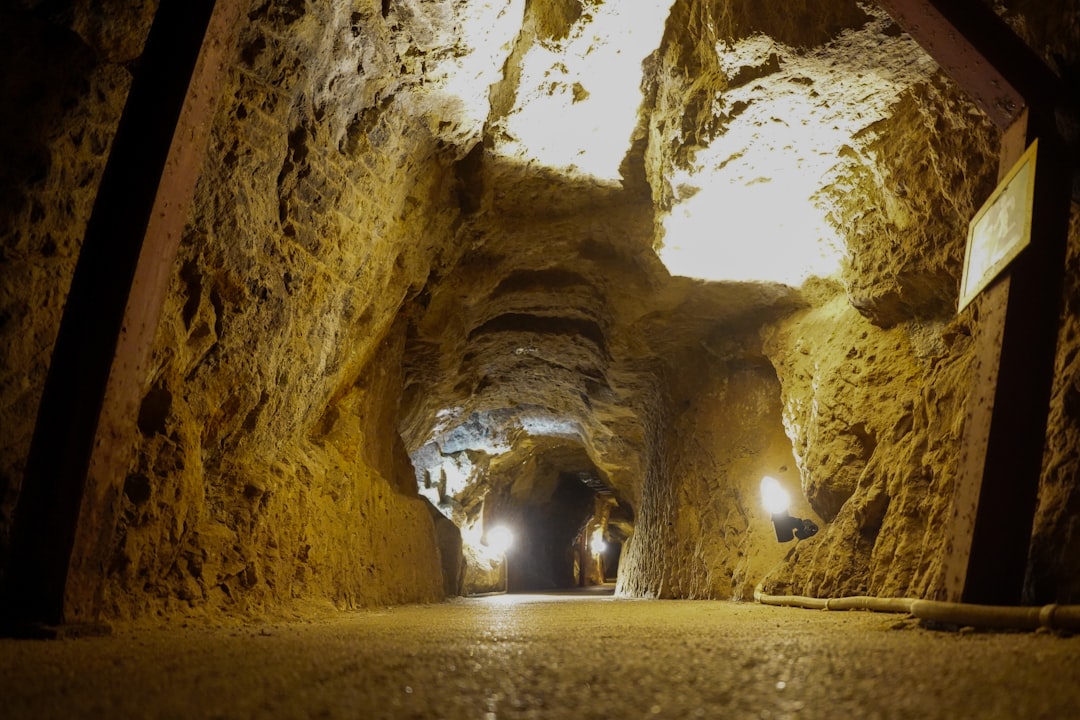
Grasberg is not just any mine. It is one of the largest gold and copper mines on earth. Its open pit is a mile wide. Its tunnels burrow through some of the most difficult terrain on the planet — remote, mountainous, geologically unstable. That complexity was part of the story long before the mudflow hit.
The company has operated here for 58 years. That is a long time to learn a mountain’s moods. Still, mudflows happen. The question now is whether this one could have been predicted, or prevented, or mitigated. Safety protocols at the site are under scrutiny. They always are, after a disaster.
Mining is a brutal business. The numbers tell part of the story. In 2015, the value of coal, metals, and industrial minerals mined in the United States alone reached $109.6 billion. The industry directly employed more than 158,000 workers. Those are American figures, but they reflect a global reality: the world wants what comes out of the ground. Copper for wiring. Gold for electronics and jewelry. The demand does not pause for mudflows.
But the costs are real. In the United States, mountaintop removal has flattened ridges in Appalachia. Acid mine drainage has poisoned streams in Pennsylvania and West Virginia. In Indonesia, the scale is different, but the pattern is familiar. Large-scale mining operations leave scars. Sometimes they leave bodies.
The Grasberg mine has been a source of tension for decades. Local communities have protested its environmental impact. The Indonesian government has wrestled with the balance between revenue and regulation. Freeport-McMoRan has defended its record, pointing to economic benefits and job creation. None of that changes what happened on October 5.
Seven workers went missing after a mudflow. Now they are dead. Recovery teams found the bodies. The families have been notified. The company has made a statement. The investigation has begun.
There is a larger context here that goes beyond one mine. The mining industry has a long history of safety incidents. It also has a long history of environmental degradation. The two are not unrelated. When a company pushes into difficult terrain, when it extracts resources under pressure, when safety protocols are tested by geology and weather and human error — things go wrong.
The demand for minerals keeps rising. Renewable energy technologies require copper and rare earth metals. Solar panels, wind turbines, electric vehicles — they all depend on mining. The same industry that produces the materials for a cleaner energy future also produces mudflows and tailings dam failures and worker deaths. That contradiction is not going away.
The investigation at Grasberg will examine the circumstances of the mudflow. It will look at the mine’s safety protocols. It will ask whether anything could have been done differently. Those are necessary questions. But they are also narrow ones.
The broader question — how to balance the world’s appetite for minerals against the human and environmental cost of extracting them — does not have an easy answer. It does not have a single investigation. It is a question that plays out every day, in every mining region on earth. In Central Papua, it played out with seven deaths.
The search is over. The digging continues.