The Maduru Oya river is not a runway. It is a body of water that now holds the wreckage of a Sri Lanka Air Force Bell 212 helicopter, along with six dead and six injured. The crash on May 9, 2025, did not happen in a vacuum. It happened inside a military institution that has been flying for 74 years, through a civil war, through budget cuts, through aging fleets.
The Sri Lanka Air Force traces its roots to 1951. It was founded as the Royal Ceylon Air Force, with help from the Royal Air Force. That was a different era. The aircraft were different. The threats were different. The SLAF now operates over 160 aircraft. Not all of them are new. Not all of them are easy to maintain. A Bell 212 is a twin-engine helicopter first produced in the late 1960s. It is a workhorse. It is also old.
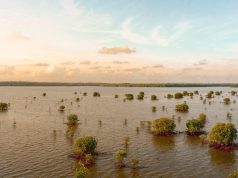
Six people are dead. Six more are in hospitals. The helicopter went down into the Maduru Oya, a vital waterway. That matters. A crash into a river is not the same as a crash into a field. Recovery is harder. Environmental contamination is possible. Fuel, hydraulic fluid, metal debris — all of it now sits in the water. The investigation will have to account for that. The investigation will also have to account for the helicopter itself, its maintenance logs, its last inspection, its pilot’s hours, the weather that day.
The Commander of the Air Force holds the rank of Air Marshal. He is the professional head of the SLAF. He oversees operations. He also oversees safety. A crash like this puts that oversight under scrutiny. The SLAF has a reputation for being well-trained. That reputation does not prevent accidents. It does not prevent mechanical failure. It does not prevent human error. The investigation will likely find a combination of factors. They always do.
This is not the first crash involving a Bell 212. It will not be the last. Military aviation is dangerous. Helicopter operations are especially dangerous. Low altitude, variable weather, complex maneuvers. The Maduru Oya crash happened in a river. That suggests the helicopter was not at cruising altitude. It was low. Why it was low is a question investigators will answer. Whether it was a training mission, a transport flight, or a patrol will come out in time.
The country is mourning. Six families are burying their dead. Six other families are waiting at hospital bedsides. The SLAF is now the subject of its own investigation. That is standard procedure. It is also painful. A military force that loses its own aircraft loses more than hardware. It loses trust. It loses the confidence of the public and the families of its personnel. The SLAF has a long history. It fought through the Sri Lankan Civil War. It has seen loss before. But each loss is separate. Each loss is personal.
The Maduru Oya river will be dredged, searched, cleaned. The wreckage will be hauled out. The black box, if there is one, will be read. The bodies will be recovered. The injured will heal or they will not. The investigation will produce a report. That report will recommend changes. Some changes will be made. Some will not. The next Bell 212 flight will take off. The question is whether it will land.