Hundreds of people in Milwaukee lost their homes early Sunday morning. They fled a four-story apartment building in flames. Five of them did not make it out. Dozens more were hurt, three critically. The American Red Cross has moved in with food, clothing, and temporary shelter. The city is still trying to account for every resident.
The fire broke out on May 11, 2025. The cause is unknown. Investigators are working to trace the origin. But the immediate question for this city of 577,222 people is not just about what started it. It is about what happens next. The displaced count is in the hundreds. That is a sudden, brutal demand on a city’s social safety net — a net that was already stretched thin before dawn broke.
Milwaukee sits on the shore of Lake Michigan, at the meeting point of three rivers. It is a city built on trade and industry, with a long history stretching back to early European settlement. That history has seen booms and busts. But a fire of this scale — five dead, dozens injured, hundreds displaced — cuts through that history with a sharp edge. It forces a cold accounting of emergency planning. The building was four stories. It was full of people. In a matter of hours, it became a disaster zone.
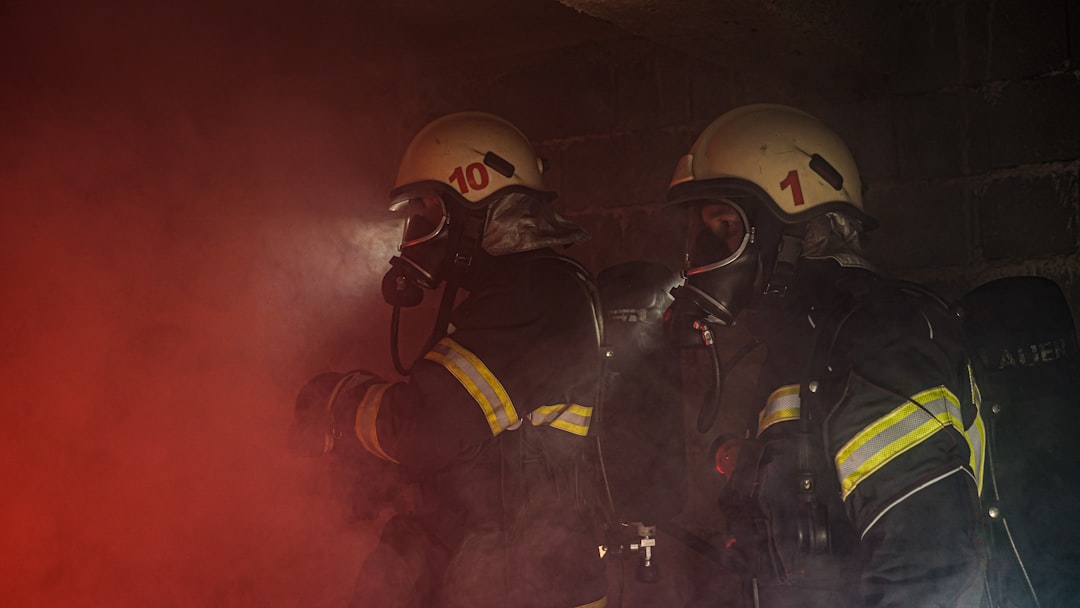
The response from emergency services has been swift. Paramedics, firefighters, police — they are all on the ground. The injured have been taken to hospitals. The critically hurt are receiving medical attention. But the scale of the displacement is the real test. Hundreds of people need a place to sleep tonight. They need food. They need clothing. They need to know what comes next.
This is where the American Red Cross and other aid organizations step in. They are providing assistance. But their resources are not infinite. A fire like this drains local capacity quickly. It forces cities to confront the limits of their own preparedness. Milwaukee has a population density that concentrates risk. When a four-story building goes up, the damage is not contained to one unit. It spreads floor to floor, wall to wall. The result is mass displacement.
There is a broader pattern here. Fires in aging apartment buildings are not rare. They are a recurring hazard in older American cities. The building stock ages. Maintenance can slip. Safety codes can lag. The cause of this fire is still unknown, but the consequences are already written. Five families will bury their dead. Dozens will recover from injuries. Hundreds will scatter to temporary housing, uncertain when — or if — they can return home.
The city’s leadership now faces a hard road. They must account for every resident. They must investigate the cause. They must find long-term housing for the displaced. And they must do it all while the city’s normal business continues. Milwaukee has a rich cultural heritage and natural surroundings. It is a vibrant place. But a fire like this strips away the veneer of normalcy. It reveals the infrastructure beneath — the emergency plans, the shelter capacity, the social services. Those systems are now under direct fire.
For the survivors, the immediate future is uncertain. They have lost their homes. They have lost their belongings. Some have lost family. The aid groups can patch the first days. The weeks and months that follow are a different problem entirely. That is where the city’s resilience will be measured. Not in the hours after the fire, but in the long, slow work of rebuilding lives.