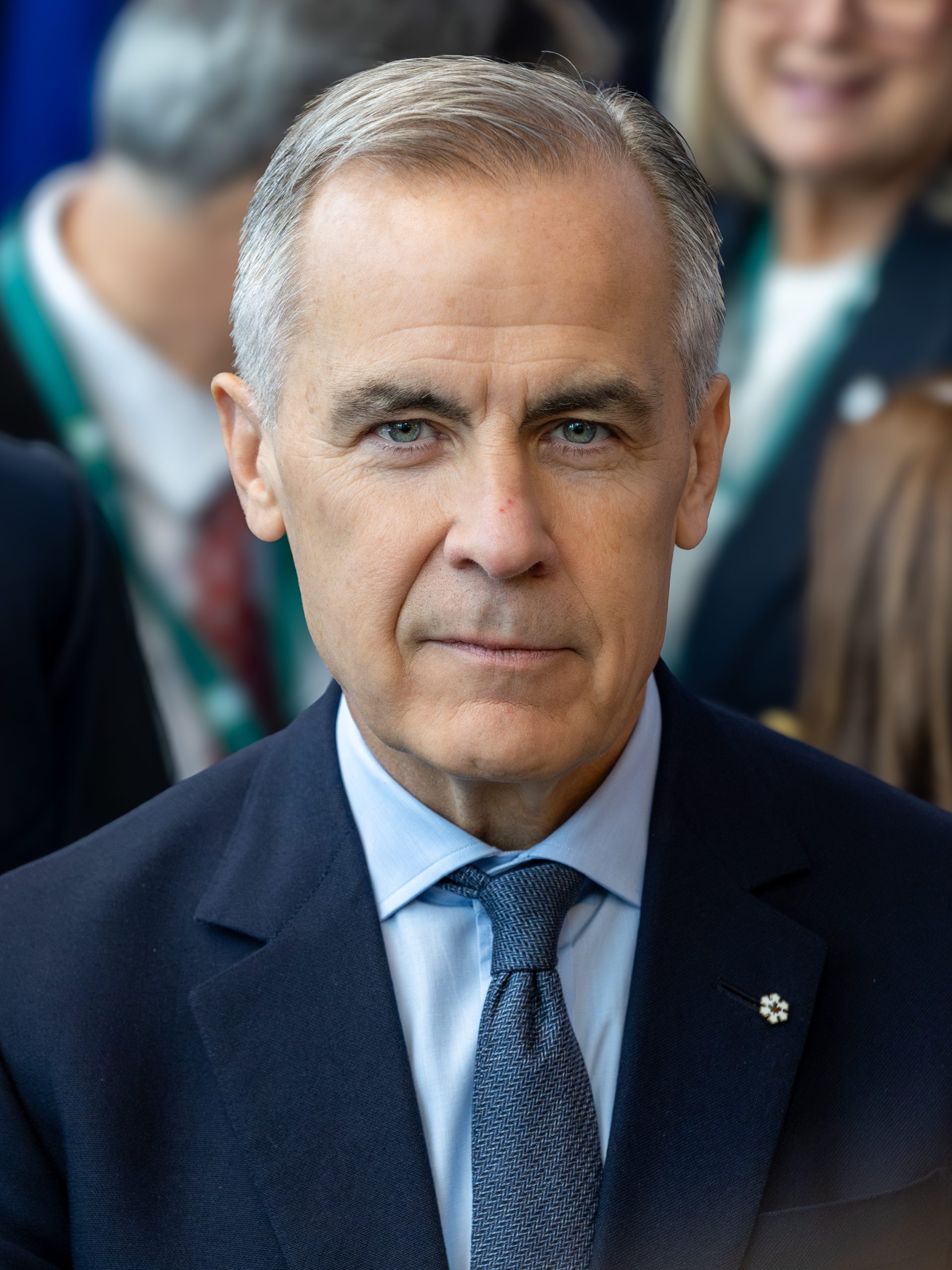
Canada is bracing for a federal election after Governor General Mary Simon issued the writs of election on March 23, 2025, following advice from Prime Minister Mark Carney to dissolve Parliament. This move sets the stage for a highly anticipated vote, with key issues such as the cost of living, housing, crime, and U.S. tariffs against Canada exports expected to dominate the campaign trail. The election will be the first to use a new 343-seat electoral map, based on the 2021 census, and will likely be closely watched by international observers, including those in the United States, where President Donald Trump has made threats of annexation against Canada.
The upcoming election is expected to be fiercely contested, with the Liberal Party, led by Prime Minister Mark Carney, seeking to maintain its grip on power. The party will face stiff competition from the Conservative Party, which will be looking to capitalize on voter discontent with the current government’s handling of key issues. The election campaign is also likely to be influenced by external factors, including the ongoing trade tensions between Canada and the United States. President Trump’s administration has imposed tariffs on Canadian exports, which has had a significant impact on the country’s economy. The Canadian government has responded by imposing its own tariffs on U.S. goods, leading to a protracted trade dispute.
One of the key issues that will be watched closely in the election is the response of the Canadian government to the trade tensions with the United States. The Liberal Party has taken a firm stance against the U.S. tariffs, and has imposed its own tariffs in retaliation. However, the Conservative Party has criticized the government’s handling of the trade dispute, arguing that it has not done enough to protect Canadian interests. The election will provide an opportunity for Canadian voters to have their say on the issue, and to determine the direction of the country’s trade policy.
The election will also be significant because it will be the first to use a new electoral map, which has been redrawn based on the 2021 census. The new map will see the number of seats in the House of Commons increase to 343, and will also lead to changes in the boundaries of many electoral districts. This could lead to some surprises on election day, as incumbent MPs may find themselves facing new challenges in their redistributed ridings. The new electoral map will also provide an opportunity for new candidates to emerge, and for parties to try and capitalize on the changes to the electoral landscape.
As the election campaign gets underway, voters will be looking for clear policies and vision from the parties. The Liberal Party will be seeking to build on its record in office, while the Conservative Party will be looking to convince voters that it has a better plan for the country’s future. The election will also provide an opportunity for other parties to make their mark, and to try and break through in a crowded electoral landscape. With the election expected to be closely contested, voters will be paying close attention to the campaign, and will be looking for the parties to provide clear and compelling visions for the country’s future.
As the campaign heats up, all eyes will be on the leaders of the main parties, including Prime Minister Mark Carney and the leader of the Conservative Party. The leaders will be crisscrossing the country, attending debates and rallies, and making their pitches to voters. The election will be a significant test of their leadership skills, and will provide an opportunity for them to connect with voters and make their case for why they should be elected. With the election just getting underway, it’s still too early to predict the outcome, but one thing is certain – it will be a fascinating and closely watched contest.
As we look ahead to the election, there are many factors that will be worth watching. The response of the Canadian government to the trade tensions with the United States will be a key issue, as will the parties’ policies on the cost of living, housing, and crime. The election will also provide an opportunity for voters to have their say on the direction of the country, and to determine the future of the government. With the campaign just getting underway, it’s an exciting time for Canadian politics, and we can expect a lively and hard-fought contest in the weeks ahead.