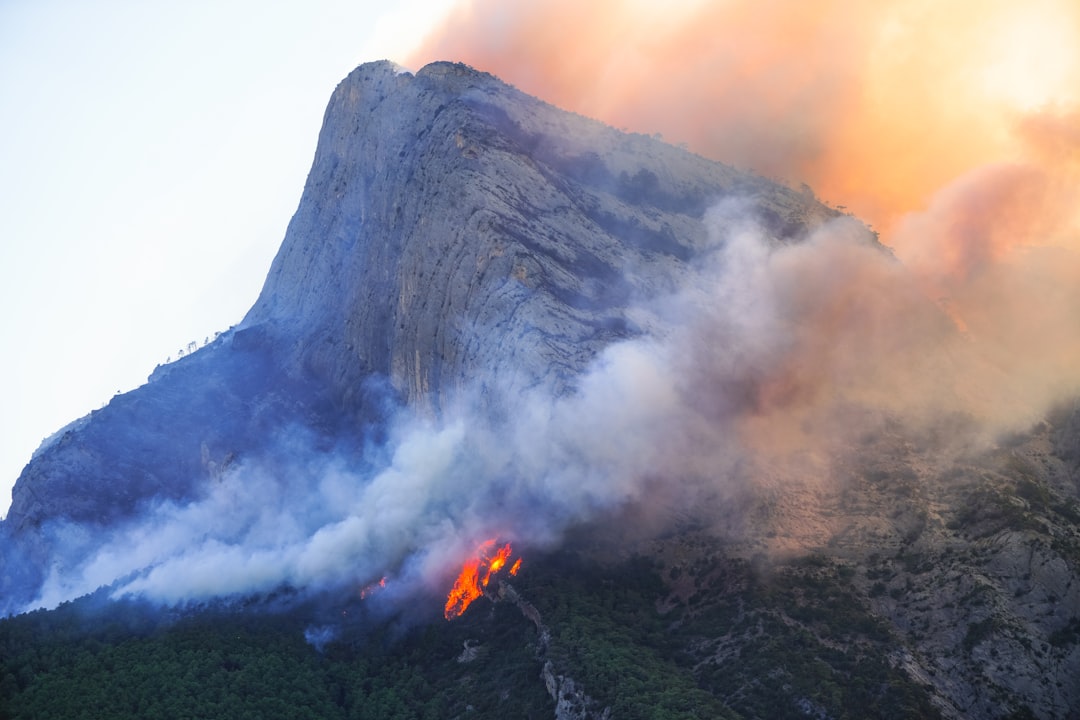
The wildfire ignited by Friday’s van crash in Nuevo León is the real long-term threat. Twelve people are dead. Four more are injured. But the fire burning through the forest around the ravine could still grow. It could spread. It could kill again.
The state is seventh-most populous in Mexico. 5.78 million people live here. Its capital, Monterrey, is the ninth-largest city in the country. That density sits inside a landscape built for fire. Nuevo León has forests, mountains, deserts. The geography is diverse. The biodiversity is rich. That same mix makes the region prone to wildfires. A spark from a burning vehicle is all it takes.
The van crashed into a ravine on March 23, 2025. It caught fire. The fire jumped from the wreckage into the surrounding vegetation. A small wildfire started. Small fires in this terrain do not stay small for long. Dry brush, wind, remote access — the conditions are right for a blowup. The environmental damage from a wildfire in Nuevo León is not abstract. It is lost habitat. It is burned soil that will not hold water. It is smoke that chokes the air for weeks.
The crash happened in a remote area. That fact matters for two reasons. First, emergency response is slower when the roads are bad and the distance is long. Every minute a fire burns unchecked, it gains ground. Second, remote areas are often the most ecologically sensitive. The forests here are not empty land. They are home to species found nowhere else. A wildfire does not respect borders or conservation zones.
Authorities are investigating. They will look at the van’s condition. They will examine the road itself. They will ask how fast emergency services got there and whether the communication systems worked. Those are standard questions after a fatal crash. But the fire adds a layer. The investigation is not just about why twelve people died. It is about why a fire started and whether it could have been stopped sooner.
Road safety in Nuevo León is now a public issue. People are calling for improved infrastructure. They want stricter safety regulations. A van should not plunge into a ravine and burn. A crash should not become an environmental disaster. But that is what happened. One event cascaded into another. The human toll is absolute. The environmental toll is still unfolding.
This is not a story that ends when the wreckage is cleared. The wildfire is a secondary disaster born from the first. It threatens the same region that just lost twelve of its people. The state’s geography is beautiful. It is also dangerous. Forests that draw tourists and support wildlife can turn into fuel beds in a dry season. The van fire proved that point with lethal clarity.
Nuevo León has 5.78 million reasons to care about fire prevention. Every resident lives within reach of this landscape. Every road that cuts through the forest is a potential ignition source. The crash on March 23 was a tragedy. The fire it started is a warning. The investigation will produce answers. Whether those answers lead to action is another question.