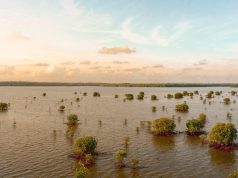
The tsunami that followed the 7.3-magnitude earthquake in Port Vila on 17 December 2024 measured just 25 centimeters. Ten inches. That is not much higher than a standard sheet of paper. Yet for coastal communities in Vanuatu, that low wave carried a very specific threat.
The earthquake hit at 12:47:26 local time. Within minutes, the ground had stopped shaking, but the sea had not. A 25-centimeter tsunami is small. It is not the kind of wave that sweeps entire villages out to sea. But it is enough to flood low-lying areas, to push saltwater into freshwater supplies, to damage boats and docks and the infrastructure people rely on for food and transport. Authorities had to act. Warnings went out. People moved to higher ground.
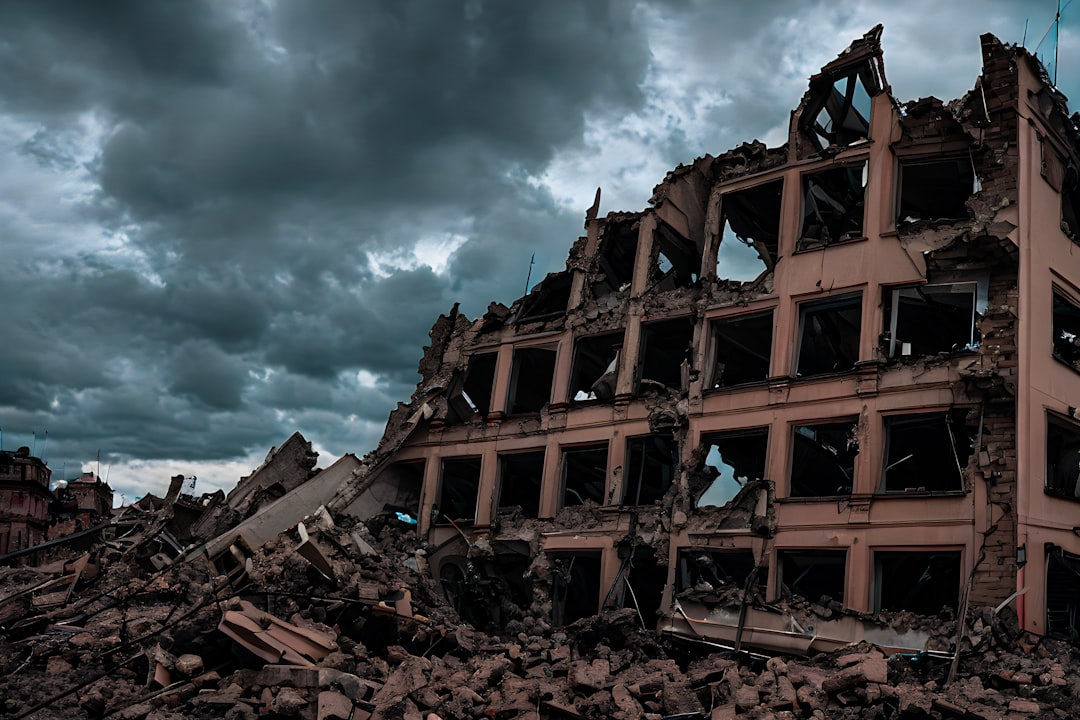
The death toll stands at 14. Injured: 265. Those numbers come from the ground shaking, from collapsing buildings and falling debris. The tsunami did not add to that count, as far as the report indicates. But the threat it posed forced a second layer of emergency response in the middle of a rescue operation. Search and rescue teams were already pulling people from rubble. They then had to watch the shoreline.
Port Vila is the capital. It is on the coast. The earthquake damaged buildings and infrastructure across the city and surrounding areas. The full extent of that damage is still being assessed. Essential services face disruption. Reconstruction planning has not yet begun in earnest. Into that fragile situation came a wave, even a small one.
Tsunami warnings are common after large earthquakes in the Pacific. Vanuatu sits on the Ring of Fire. The country knows these protocols. But knowing the protocol and living through it are different things. A 25-centimeter wave does not look dramatic on a news graphic. For a family in a coastal village, it means grabbing what you can and running. It means waiting hours to see if your house is still dry.
The earthquake struck at 01:47:26 UTC. That is 12:47 p.m. local time. People were at work, at school, in markets. The tsunami warning came in the early afternoon. Daylight helped. People could see the water. They could see where to go. That matters. A nighttime tsunami, even a small one, is a different kind of danger.
The report states the tsunami was “relatively small in terms of wave height.” It also states it “poses a significant threat to coastal areas and communities.” Those two statements sit together without contradiction. A small wave in a damaged city is a big problem. Roads already cracked by the earthquake may not hold against saltwater surge. Emergency vehicles may not reach people if coastal routes are flooded. Medical supplies stacked near the shore may need to be moved.
Authorities are monitoring the impact. That is the phrase used. Monitoring. It is a careful word. It means they are watching, waiting, measuring. It means they do not yet know the full consequences. The tsunami has passed. The water rose and receded. But the damage it did, if any, is still being tallied.
Fourteen dead. Two hundred sixty-five injured. A city in ruins. And a 25-centimeter wave that forced everyone to look at the ocean and wonder.