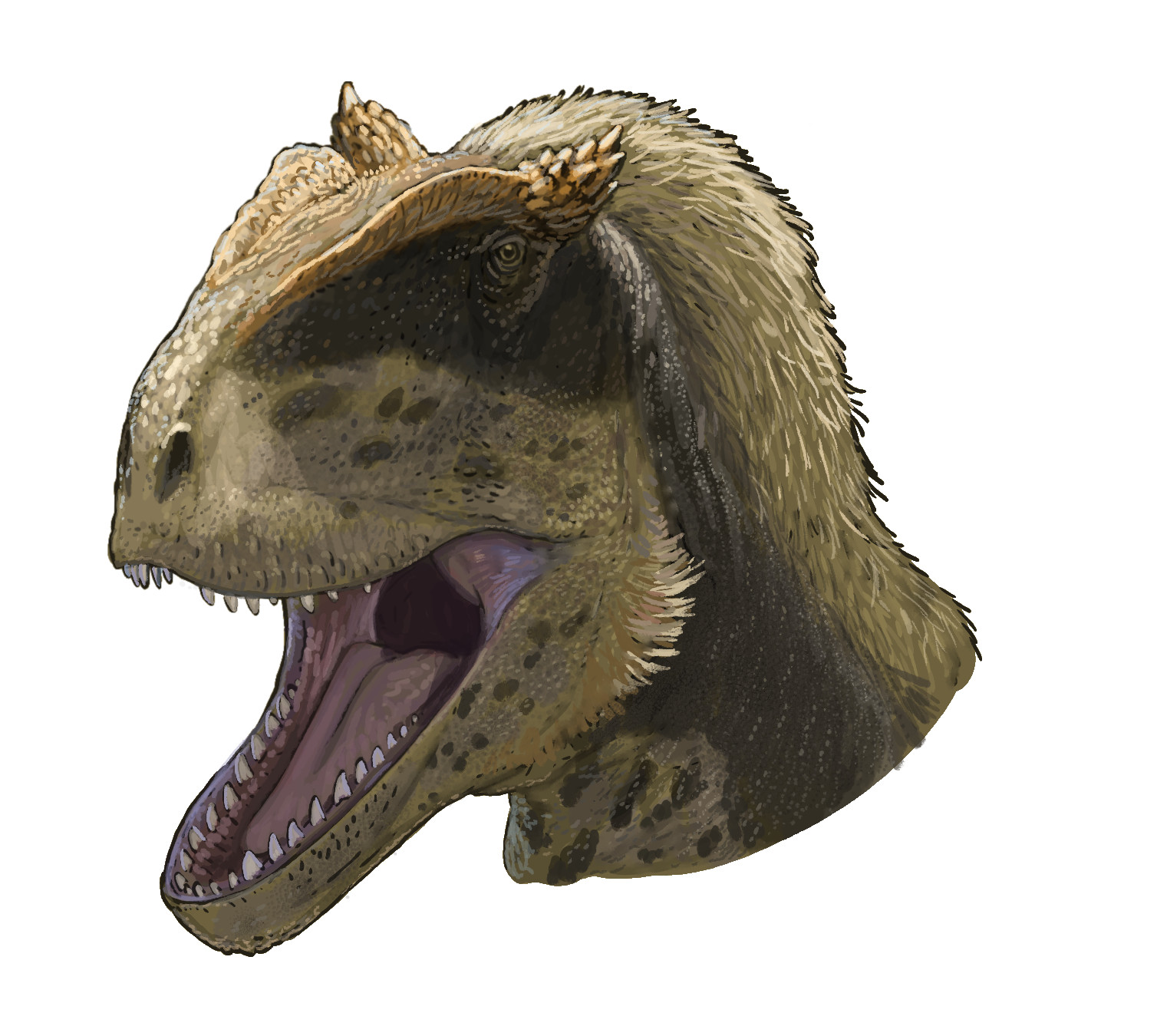
A groundbreaking discovery is set to redefine our understanding of the ancient world, as scientists confirm the finding of the Alpkarakush kyrgyzicus dinosaur species in Kyrgyzstan on this Christmas Day, 2024. This extraordinary revelation marks the first time a theropod from the Jurassic period has been uncovered in Central Asia, sending shockwaves of excitement throughout the scientific community. The Alpkarakush kyrgyzicus, a previously unknown species, promises to shed new light on the mysteries of the Jurassic era, and its discovery is being hailed as one of the most significant paleontological finds in recent years.
As news of the discovery spreads, the focus is shifting to the Balabansai Formation in Kyrgyzstan, where the fossilized remains of the Alpkarakush kyrgyzicus were found. This geological formation, dating back to the Jurassic period, has long been a subject of interest for paleontologists, who have been searching for clues about the region’s prehistoric past. The discovery of the Alpkarakush kyrgyzicus is a major breakthrough, as it provides the first concrete evidence of theropod presence in Central Asia during the Jurassic era. The partial skeleton, which has been carefully excavated and analyzed, is expected to yield a treasure trove of information about the species’ habits, habitats, and evolution.
The genus Alpkarakush, to which the kyrgyzicus species belongs, is a member of the metriacanthosaurid family of theropod dinosaurs. These carnivorous dinosaurs were characterized by their distinctive morphology, which included elongated skulls, powerful legs, and sharp claws. The discovery of the Alpkarakush kyrgyzicus is significant not only because it represents a new species but also because it expands our knowledge of the metriacanthosaurid family, which was previously thought to be restricted to other parts of the world. As scientists begin to study the fossilized remains in greater detail, they are likely to uncover new insights into the evolution and diversity of theropod dinosaurs during the Jurassic period.
A New Window into the Jurassic Era
The discovery of the Alpkarakush kyrgyzicus is a powerful reminder of the importance of continued exploration and research into the Earth’s prehistoric past. By studying the fossilized remains of this ancient creature, scientists can gain a deeper understanding of the ecosystems and environments that existed during the Jurassic era. This, in turn, can provide valuable insights into the evolution of life on Earth and the complex interactions between species and their environments. As the scientific community begins to analyze the findings from Kyrgyzstan, there is a growing sense of excitement about the potential for new discoveries and the possibilities that they may hold.
One of the most significant implications of the Alpkarakush kyrgyzicus discovery is the potential for a major reevaluation of our current understanding of theropod dinosaur migration and distribution during the Jurassic period. The fact that this species has been found in Central Asia, a region previously thought to be outside the range of theropod dinosaurs, raises important questions about the mobility and adaptability of these ancient creatures. As scientists begin to investigate these questions in greater detail, they may uncover new evidence of theropod migration patterns, which could challenge existing theories and provide a more nuanced understanding of the ancient world.
As we look to the future, the discovery of the Alpkarakush kyrgyzicus is a powerful reminder of the importance of continued investment in scientific research and exploration. By pushing the boundaries of human knowledge and understanding, we can gain a deeper appreciation for the complexity and diversity of life on Earth, both past and present. The discovery of this ancient species is a testament to the power of human curiosity and the boundless potential for new discoveries that await us in the unexplored regions of our planet. As we celebrate this major breakthrough, we are reminded that the story of life on Earth is still being written, and that the next great discovery is just around the corner, waiting to be uncovered.