Cobalt arrived in European laboratories with a curse. The old German miners called it “kobold ore” — goblin ore — because it yielded almost no useful metal and gave off poisonous arsenic fumes when smelted. That was the 16th century. It took until 1735 for someone to finally reduce those ores to a new metal, the first new metal discovered since antiquity. They named it after the goblin.
Today, that goblin metal is indispensable. The Democratic Republic of the Congo and Zambia’s Copperbelt region now supply the world. Most cobalt comes not from dedicated mines but as a by-product of copper and nickel mining. The ores themselves — cobaltite, CoAsS, with its metallic luster — still contain arsenic. The goblin never fully left.
The global economy runs on this contradiction. Cobalt is a hard, lustrous, brittle gray metal produced through reductive smelting. For centuries, its only use was color. Cobalt blue pigments stained jewelry, paints, and glass. The blue was unmistakable, permanent, and came from a mineral that poisoned the men who dug it. That trade was small. Local. Manageable.
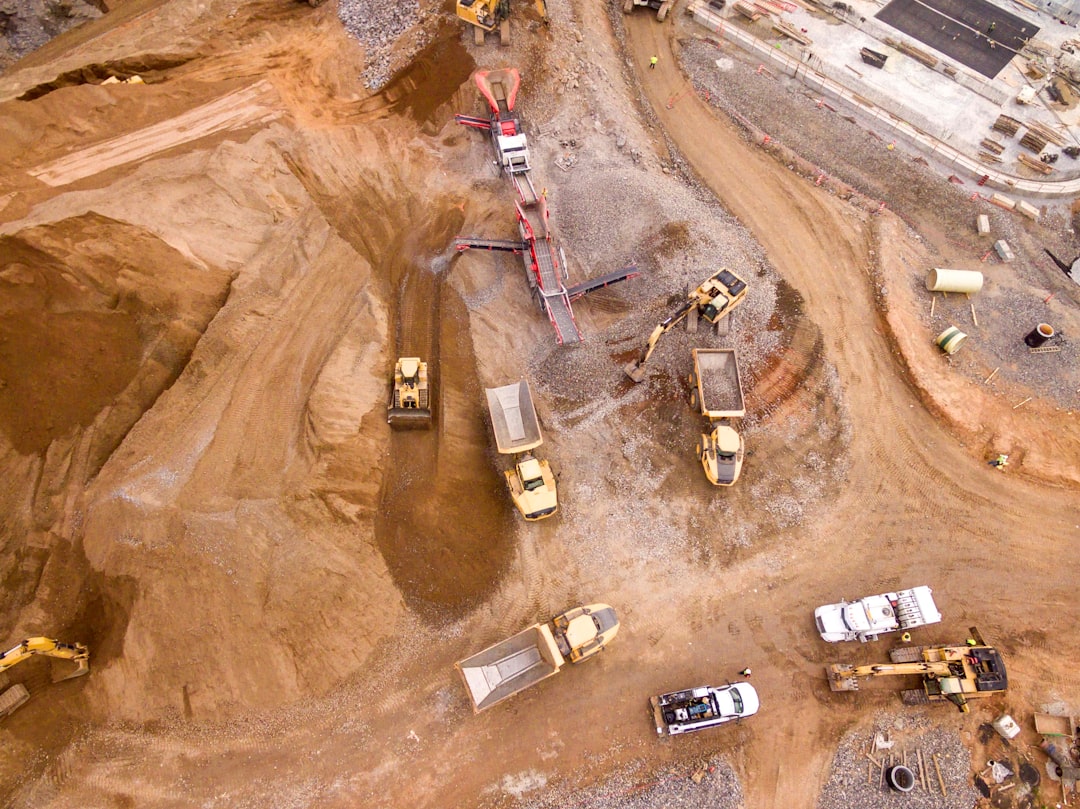
Not anymore. Cobalt is now central to rechargeable batteries, superalloys for jet engines, and magnetic materials. Demand has exploded. The DRC and Zambia, together, account for the majority of global production. That geographic concentration is the story. One region, two countries, carries the weight of a metal the entire industrial world needs. Political instability in the DRC, regulatory changes in Zambia, or a single mine shutdown — any of these sends shockwaves through supply chains from Shenzhen to Detroit.
The forces behind this are straightforward. Copper and nickel mining have expanded massively to feed electric vehicle production and renewable energy storage. Cobalt rides on their coattails. You cannot scale up copper and nickel without scaling up cobalt. That means the world’s cobalt supply is fundamentally tied to decisions made about other metals. It is a hostage metal. Market forces do not directly govern its output; they govern the output of copper and nickel, and cobalt comes along.
Where is this heading? More of the same, likely. The DRC and Zambia will remain dominant because they hold the largest known reserves of cobalt-bearing ores. Efforts to diversify supply — recycling, deep-sea nodules, new mines in Canada or Australia — are real but slow. They will not shift the balance for years. Meanwhile, battery chemistry is evolving. Some manufacturers are cutting cobalt content to reduce cost and supply risk. That will dent demand growth but not eliminate it. Cobalt’s unique properties are not easily replaced in every application.
The historical irony is hard to miss. Miners once cursed cobalt for being worthless and dangerous. Now we curse it for being essential and concentrated in one volatile region. The goblin ore became the strategic metal. The poisonous fumes are gone, but the geopolitical toxicity remains. Cobalt is not rare. It is just hard to get cleanly, reliably, and in enough quantity. That tension — between what the metal can do and where it comes from — defines its future. The 1735 discovery solved a chemical puzzle. The 21st-century puzzle is not chemical. It is political, logistical, and entirely human.