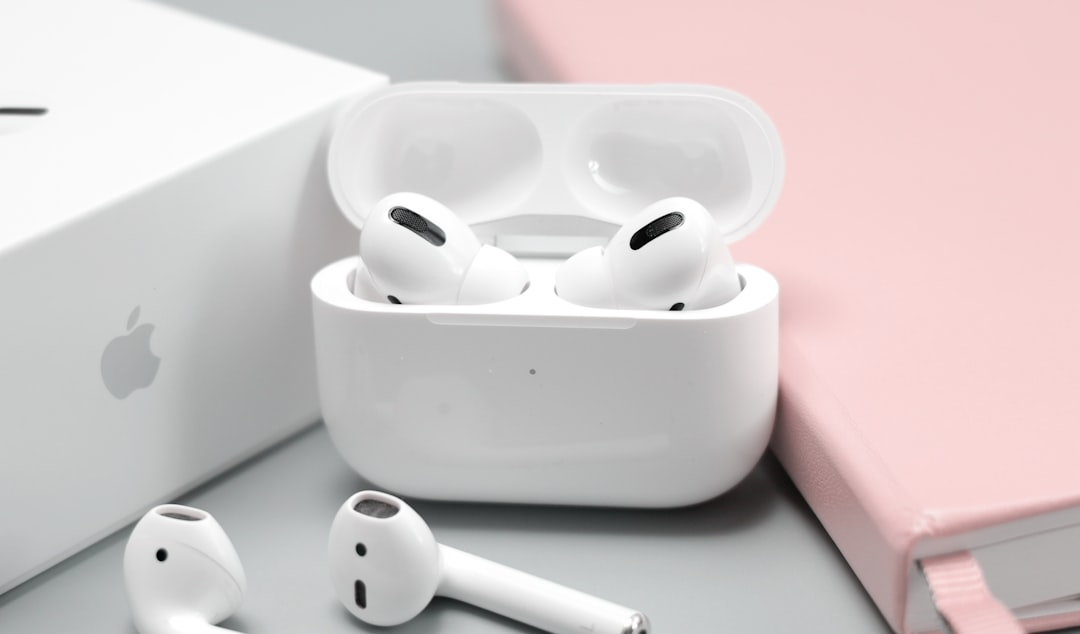
Apple’s September 2022 announcement of the second-generation AirPods Pro might look like a routine product refresh. It is not. The upgrade cycle for Apple’s mid-range wireless earbuds reveals a clear strategy: lock users deeper into the ecosystem while fixing the first generation’s biggest complaints.
Consider what changed. The original AirPods Pro landed on October 30, 2019, carrying the H1 chip, active noise cancellation, transparency mode, and IPX4 water resistance. They were good. They sold well. But three years is a long time in consumer electronics, and competitors from Sony, Samsung, and Bose had closed the gap on noise cancellation and sound quality.
The second generation answers that pressure directly. Apple swapped the H1 for the new H2 chip. It added Bluetooth 5.3 connectivity — a meaningful jump for power efficiency and connection stability. Noise cancellation got better. Sound quality got better. Battery life stretched longer. Volume adjusting gestures arrived. So did Find My tracking support, a feature that should have been there from the start.
None of these changes are revolutionary on their own. Taken together, they represent a calculated consolidation. Apple is not trying to reinvent wireless audio. It is trying to make the AirPods Pro the default choice for anyone who owns an iPhone, iPad, or Mac. The H2 chip is the key. It enables features that third-party earbuds cannot match because Apple controls the silicon and the software stack.
This is the same playbook Apple used with the first AirPods. The original wireless earbuds were not the best-sounding or the cheapest. They were the ones that worked flawlessly with an iPhone. The AirPods Pro extended that logic into premium territory. The second generation tightens the grip.
The timing matters. September 2022 sits squarely in the middle of a global economic slowdown. Consumer spending on discretionary electronics is under pressure. Apple is betting that existing AirPods Pro owners — and there are millions of them — will pay for an upgrade that feels substantial rather than incremental. The H2 chip, better battery, and volume gestures give them reasons to buy. The Find My support and Bluetooth 5.3 give them reasons to stay.
Positioning is everything. The AirPods Pro sit between the base-level AirPods and the AirPods Max. The base models are for casual listeners. The Max are for audiophiles and people who do not mind paying over $500 for headphones. The Pro are the sweet spot: high enough to feel premium, low enough to feel reasonable.
The first generation proved the model works. The second generation is designed to extend that run. Apple is not chasing new customers as much as it is protecting its installed base. If you already own an iPhone and want good wireless earbuds, the AirPods Pro are the path of least resistance. The H2 chip makes that path smoother.
What comes next is predictable. Apple will iterate on the H2 chip across its audio lineup. The base AirPods will get it eventually. The AirPods Max will get it or be replaced. The ecosystem tightens. The switching costs rise. That is the point. The second-generation AirPods Pro are not just better headphones. They are a lock on the door.