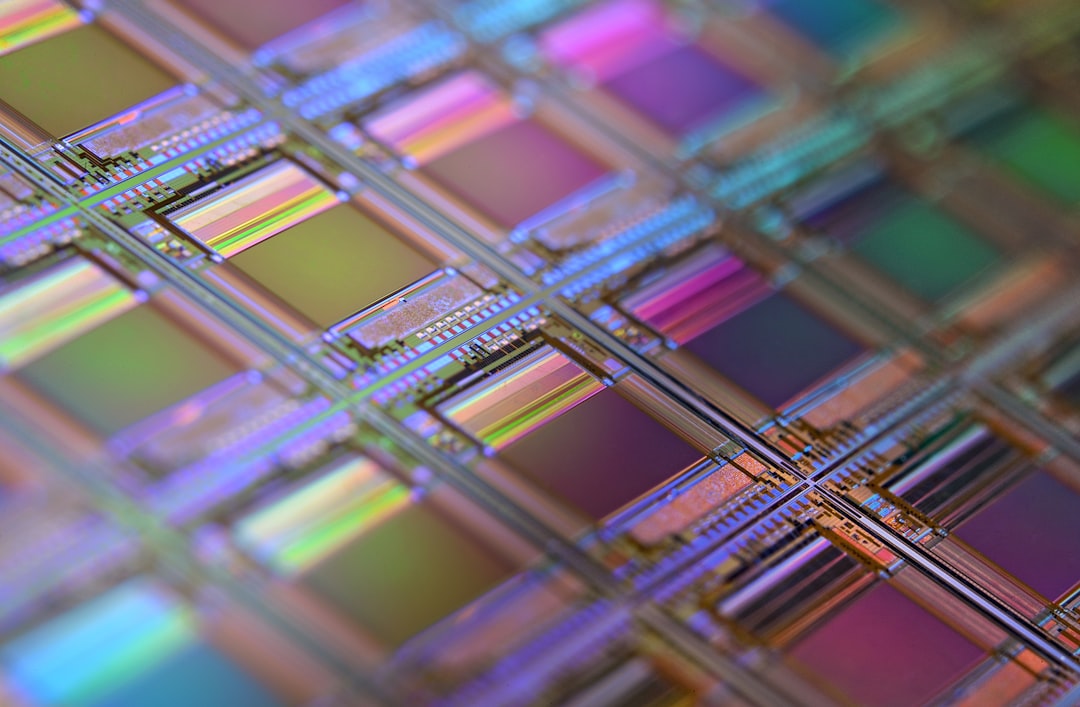
When Apple engineers packed a CPU, GPU, neural processing unit, and digital signal processor onto the M4 system on a chip, they weren’t just building a faster processor. They were drawing a line in the sand for the entire computing industry. The May 15 unveiling of the M4 inside the seventh-generation iPad Pro signals something bigger than a spec bump. It tells competitors that the era of one-size-fits-all chips is over.
The M4 arrives as the fourth generation of Apple’s M series. It replaces the M3. But the gap between them is not merely incremental. Apple integrated four distinct processing units into a single piece of silicon. That level of integration has consequences. Laptop makers who rely on separate CPU and GPU components now face a product that does everything on one die, using less power and producing less heat. The iPad Pro running the M4 can handle tasks that once required a desktop workstation.
For software developers, the implications are immediate. An app that uses the CPU for logic, the GPU for graphics, the NPU for machine learning, and the DSP for signal processing can run entirely on the M4 without bouncing data between separate chips. That means faster response times and lower latency. Games that once stuttered on mobile devices now have a chance at console-quality performance. Machine learning models that previously needed cloud servers can run locally on the tablet.
The ripple effect touches the broader ARM-based computing ecosystem. Apple’s M-series chips have already proven that ARM architecture can compete with x86 processors from Intel and AMD. The M4 strengthens that argument. Other chip designers, including Qualcomm and MediaTek, are watching closely. If Apple can sell a tablet with this kind of horsepower, the pressure on them to deliver similar integration in their own products intensifies.
Consumers will feel the shift in ways that go beyond benchmark scores. The M4’s neural processing unit is designed for on-device AI. That means features like real-time photo editing, voice recognition, and augmented reality applications can run without sending data to a remote server. Privacy improves. Speed improves. Battery life improves because the chip doesn’t have to communicate with external components as often.
The timing matters. Apple introduced the M4 in May 2024, a period when the tech industry is racing to embed artificial intelligence into everything from phones to cars. The M4 gives Apple a foundation for AI features that competitors cannot easily match with off-the-shelf components. The neural processing unit inside the M4 is purpose-built for machine learning workloads. It is not a general-purpose core trying to fake its way through AI tasks.
Expect the M4 to appear in more devices. The iPad Pro is the first. MacBooks and desktop Macs will follow. Each new device will extend the reach of the architecture and force software makers to optimize for Apple’s specific chip design. That creates a virtuous cycle: more optimized software makes the hardware more attractive, which sells more devices, which attracts more developers.
The industry has seen this pattern before. When Apple moved from PowerPC to Intel in 2006, the entire software ecosystem shifted. When it moved from Intel to its own M1 chips in 2020, it happened again. The M4 is the latest step in that long march toward total control over the hardware and software stack. Apple now designs the chip, the operating system, the developer tools, and the applications. Competitors who rely on third-party suppliers for any of those pieces are at a structural disadvantage.
The M4 is not just a faster chip. It is a declaration that integration wins. Separate components, separate suppliers, separate power budgets — those are the old way. The new way is a single piece of silicon that does everything. The rest of the industry is now playing catch-up.