Apple Misses Revenue Targets Amid Coronavirus Disruption in China
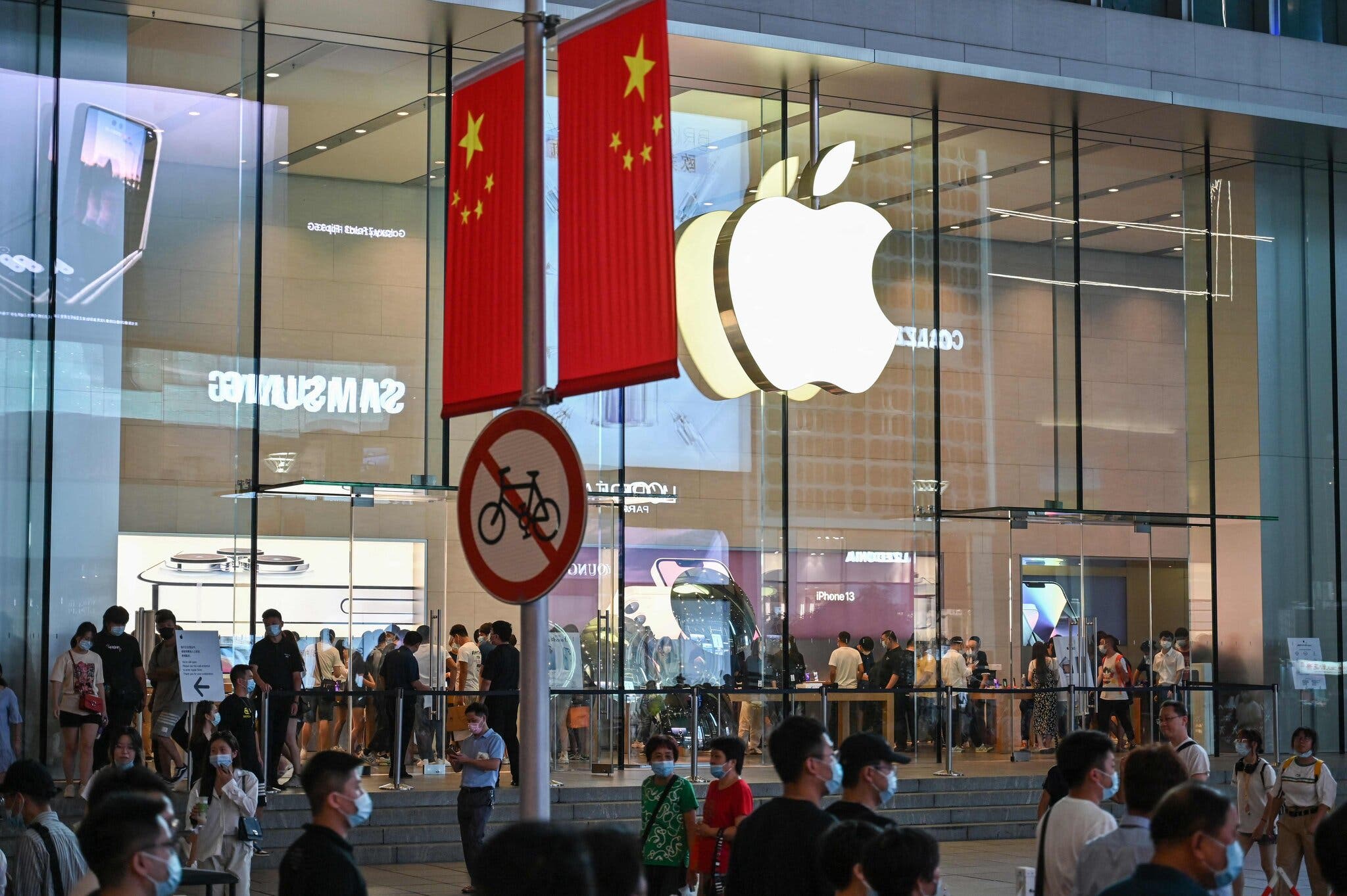
American multinational technology giant Apple Inc. announced on February 18, 2020, that it will not meet its financial forecasts for the quarter ending in March due to the severe disruption caused by the novel coronavirus outbreak in China. The company stated that production and sales have been significantly impacted by the public health emergency. For the second quarter covering January through March, Apple had previously projected revenue between $63 billion and $67 billion. However, the tech leader confirmed that even the lower end of this range will not be achieved because of the ongoing crisis. The company also warned of supply constraints affecting iPhones and other products as manufacturing operations face hurdles. Despite some retail locations in China reopening, customer traffic remains low, forcing Apple to adjust its expectations for earnings during this specific period.
Supply Chain Challenges and Production Delays
The core issue driving this financial adjustment lies within the complex global supply chain that supports Apple’s massive product lines. A significant portion of the components required to assemble iPhones and other devices are manufactured in China, a region now grappling with a severe epidemic. The closure of factories and logistics networks has created immediate bottlenecks. Apple noted that while work is starting to resume around the country, the return to normal conditions is slower than anticipated. This delay directly impacts the ability to ship finished goods to retailers and consumers worldwide. The company emphasized that these are temporary disruptions but acknowledged that the financial impact will be felt in the upcoming earnings report. Supply constraints mean that inventory levels may not match previous projections, leading to a shortfall in revenue for the March quarter.
Prioritizing Worker Safety Over Immediate Revenue
In its official statement released on February 18, Apple addressed the balance between business continuity and human safety. The company declared that its first priority is now and always the health and safety of its employees, supply chain partners, customers, and the communities in which it operates. This commitment has led to a cautious approach regarding the reopening of retail stores in mainland China. While some locations have begun to operate again, the pace is gradual. Apple expressed profound gratitude toward those on the front lines confronting this public health emergency. The decision reflects a broader corporate stance that values the well-being of its workforce over immediate financial gains. This approach aligns with the company’s long-standing reputation for ethical business practices, even when such decisions result in short-term revenue misses. The management team indicated that they are monitoring the situation closely and will adapt operations as the health landscape evolves.
Market Impact on China and Smartphone Demand
Analysts have highlighted the severity of the situation within China, which is the world’s largest market for smartphones. Reports suggest that the coronavirus outbreak may cut demand for mobile devices by half in the first quarter alone. This dramatic drop in consumer activity is a direct consequence of lockdown measures and public fear regarding infection rates. Apple is not the only company facing these challenges, but its scale makes the financial implications particularly notable. The tech giant confirmed that it is the first major US corporation to explicitly state that the epidemic will hit its finances so directly. With approximately 42 stores forced to shut operations in China, the impact on local revenue is substantial. However, the global nature of Apple’s business means that sales in other regions can partially offset losses in China, though the overall guidance for the quarter remains below expectations.
Outlook for Future Operations and Financial Stability
Despite the missed revenue forecast, Apple maintained a strong tone regarding its long-term viability. The company assured investors that the disruption to its business is only temporary and that it remains strong. This confidence stems from a diversified product portfolio and a robust global presence outside of China. Management expects that as health conditions improve and restrictions are lifted, normal operations will resume quickly. The focus remains on ensuring that supply chains can function effectively once the immediate crisis passes. Investors are watching closely to see how the company navigates this period without compromising its safety standards. The ability to recover swiftly will be a key metric for future performance evaluations. Apple’s response demonstrates resilience in the face of unprecedented global challenges, maintaining trust among stakeholders while adhering to strict health protocols.