Arianespace has marked a significant milestone in the history of space exploration with the final launch of its Ariane 5 launch vehicle from the Guiana Space Centre in Kourou, French Guiana, on July 5, 2023. This historic event saw the Ariane 5 carrying French and German military satellites into space, a fitting culmination to the vehicle’s illustrious career. As an aerospace manufacturer, Arianespace has been at the forefront of designing, building, and launching spacecraft, and this final mission is a testament to the company’s expertise and innovation.
The Ariane 5 has been a workhorse for Arianespace, with a proven track record of successfully launching a wide range of payloads into space. Its reliability and versatility have made it a popular choice for governments and private companies alike, and its impact on the aerospace industry cannot be overstated. As the industry continues to evolve, the legacy of the Ariane 5 will be remembered as a significant contributor to the advancement of space technology. With its final launch, Arianespace is paving the way for the next generation of launch vehicles, which will be designed to meet the changing needs of the industry and push the boundaries of space exploration.
The Significance of the Aerospace Industry
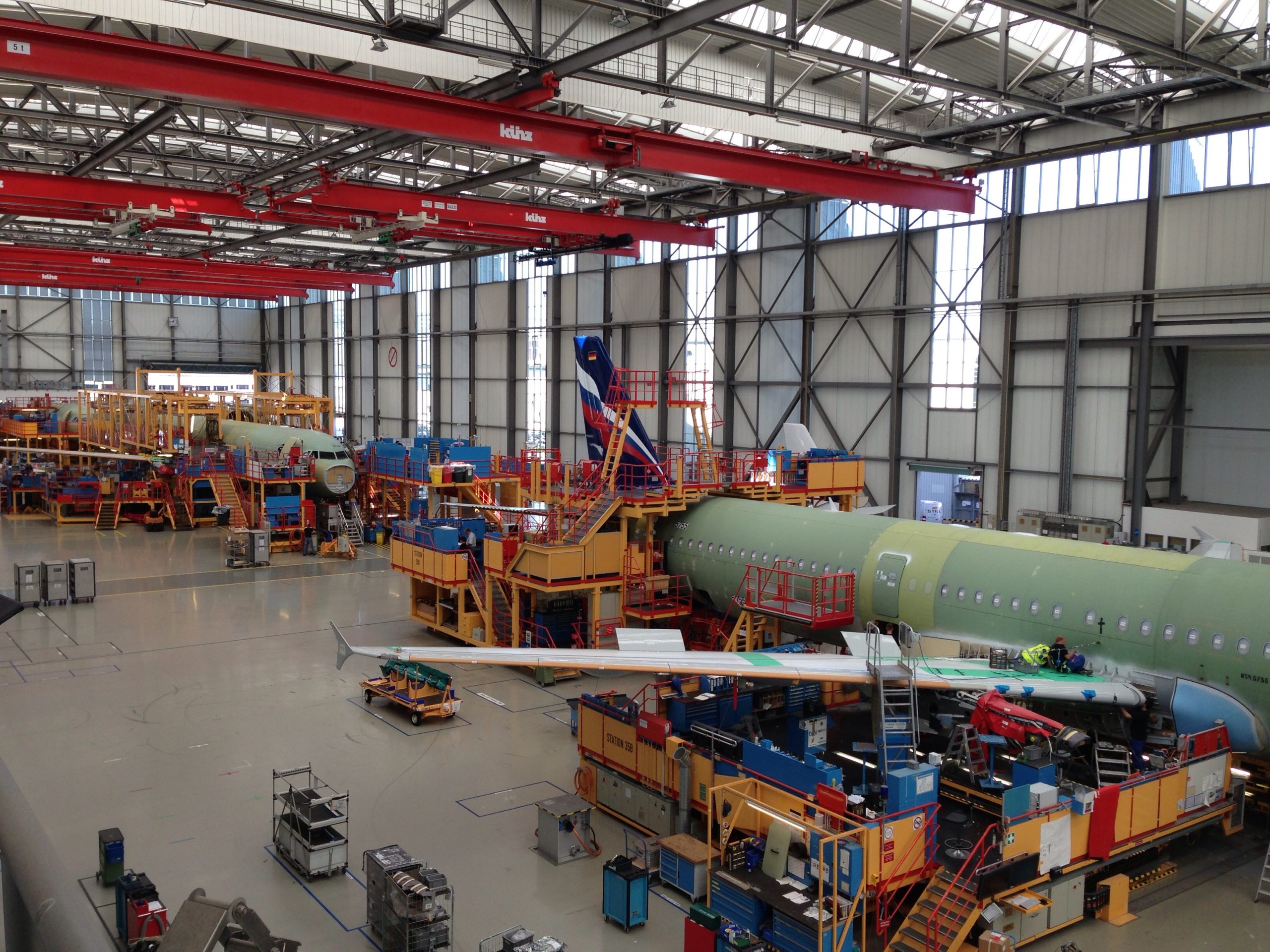
The aerospace industry, which encompasses the design, manufacture, and maintenance of aircraft and spacecraft, is a high-technology sector that has seen tremendous growth and innovation in recent years. Companies like Arianespace are driving this growth, investing heavily in research and development to create new and better technologies. The industry supports both civil and military aviation, and its products are used in a wide range of applications, from commercial air travel to space exploration. As the industry continues to expand, we can expect to see new and exciting developments, from more efficient engines to advanced materials and technologies.
One of the key factors driving innovation in the aerospace industry is the need for greater efficiency and sustainability. As concern about climate change and environmental degradation grows, companies are under increasing pressure to reduce their carbon footprint and develop more environmentally friendly technologies. This is leading to the development of new types of engines, such as electric and hybrid propulsion systems, which promise to significantly reduce emissions and operating costs. At the same time, advances in materials science are enabling the creation of lighter, stronger, and more durable materials, which will be used to build the next generation of aircraft and spacecraft.
The launch of the Ariane 5 on July 5, 2023, also highlights the importance of international cooperation in the aerospace industry. The payload carried by the Ariane 5 includes French and German military satellites, demonstrating the strong partnerships that exist between countries and companies in this sector. As the industry continues to globalize, we can expect to see more collaborations and joint ventures, as companies and governments work together to achieve common goals and push the boundaries of space exploration. This cooperation will be essential in addressing the complex challenges that lie ahead, from developing sustainable technologies to exploring and settling other planets.
As Arianespace looks to the future, the company is likely to build on the success of the Ariane 5 and develop new and even more capable launch vehicles. The next generation of launchers will need to be more efficient, more sustainable, and more versatile, with the ability to carry a wide range of payloads into space. They will also need to be designed with reuse and recyclability in mind, to minimize waste and reduce the environmental impact of space exploration. With its long history of innovation and expertise, Arianespace is well-placed to meet these challenges and continue to play a leading role in the aerospace industry. As we look to the future of space exploration, one thing is certain: the next few years will be exciting and transformative, and companies like Arianespace will be at the forefront of this journey.
The final launch of the Ariane 5 is a significant moment in the history of space exploration, marking the end of an era and the beginning of a new chapter in the development of launch vehicles. As we celebrate this achievement, we are also reminded of the tremendous progress that has been made in the aerospace industry and the exciting possibilities that lie ahead. With its strong foundation of expertise and innovation, the industry is poised to continue pushing the boundaries of space technology, and companies like Arianespace will be leading the charge. As we look to the future, we can expect to see new and exciting developments, from more efficient launch vehicles to advanced spacecraft and sustainable technologies. The future of space exploration is bright, and the aerospace industry is ready to take on the challenges and opportunities that lie ahead.