Asian currencies and equities posted broad gains on Friday, with analysts pointing to a confluence of technical factors including robust U.S. economic data, shifting central bank policy signals, and the ongoing recalibration of regional foreign-exchange reserves. The moves, according to market specialists, reflect a cautious but discernible improvement in risk sentiment among investors.
Analysts Cite U.S. GDP Data and Reserve Rebuilding as Key Drivers
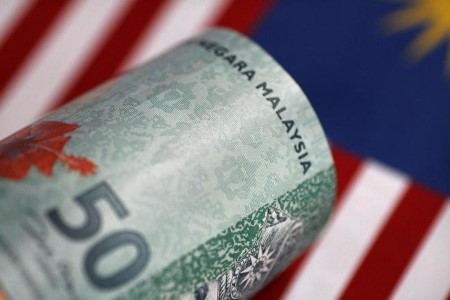
The Philippine Peso and the Malaysian Ringgit led the advance, with the peso strengthening up to 0.4% to reach its highest level since June 22, while the ringgit gained as much as 0.4%, touching its strongest point since April 14. Overnight data revealed the resilience of the U.S. economy, which increased investor appetite for risk and sent regional stocks to a nine-month high. The MSCI’s broadest index of Asia-Pacific shares outside Japan rose by as much as 0.55%, reaching a nearly nine-month peak.
In a note, TD Securities analysts framed the moves as part of a broader technical picture. The rebuilding of foreign-exchange reserves, they wrote, “bolsters the optimistic perspective on Asia FX amid the China reopening story, although we are hesitant to chase it since much is in the pricing.” The analysts cautioned that given the sharp rise in policy rates over 2022, a more benign inflation trajectory “could herald the end of Asia central banks’ tightening cycles.”
In the first three weeks of January, both the peso and the ringgit strengthened, with the latter appreciating by about 4% year-to-date, just behind the best-performing Thai baht. The peso’s rise was supported by data a day earlier revealing that Manila’s economy concluded 2022 with the fastest growth in more than four decades, fueled by a strong final quarter.
Central Bank Rhetoric and China Reopening Shape Regional Outlook
Last week, several Asian central banks softened their rhetoric regarding monetary tightening. Indonesia signaled an early conclusion to its tightening cycle, while Malaysia’s central bank abruptly suspended its tightening efforts. These policy signals, analysts noted, have contributed to a more favorable environment for regional currencies.
The ringgit’s gains were also supported by improved prospects for the country, which depends heavily on tourism, following China’s openness policies and a rise in crude oil prices. China’s reopening of its borders and an increased focus on strengthening its flagging economy, along with a weaker dollar, have helped Asian currencies excel thus far in 2023.
The baht, which has emerged as one of the top beneficiaries of China’s abrupt removal of its COVID curbs, lost 0.3% on Friday and was on track to end a five-week winning streak. Meanwhile, the rupiah dipped 0.2% after making significant gains earlier in the week. In comparison to the Japanese yen, the dollar index, which compares the currency to six major rivals, declined.
Equity markets across the region showed mixed but largely positive results. Jakarta stocks rose nearly 1% to their highest since December 28, Seoul shares gained 0.6%, and those in Thailand and Singapore each rose 0.4%. Indian stocks, however, dropped nearly 1%, dragged by financials on risk aversion following the Hindenburg report on the books of Adani group companies.
What to Watch Next
Market participants will be closely monitoring upcoming central bank meetings and economic data releases across Asia for further signals on the trajectory of monetary policy. The extent to which the “China reopening story” continues to be priced into currencies and equities, as well as any shifts in U.S. economic data, will likely determine whether the current risk-on sentiment can be sustained. Analysts will also watch for any further developments regarding the Adani group situation and its potential impact on broader regional market stability.