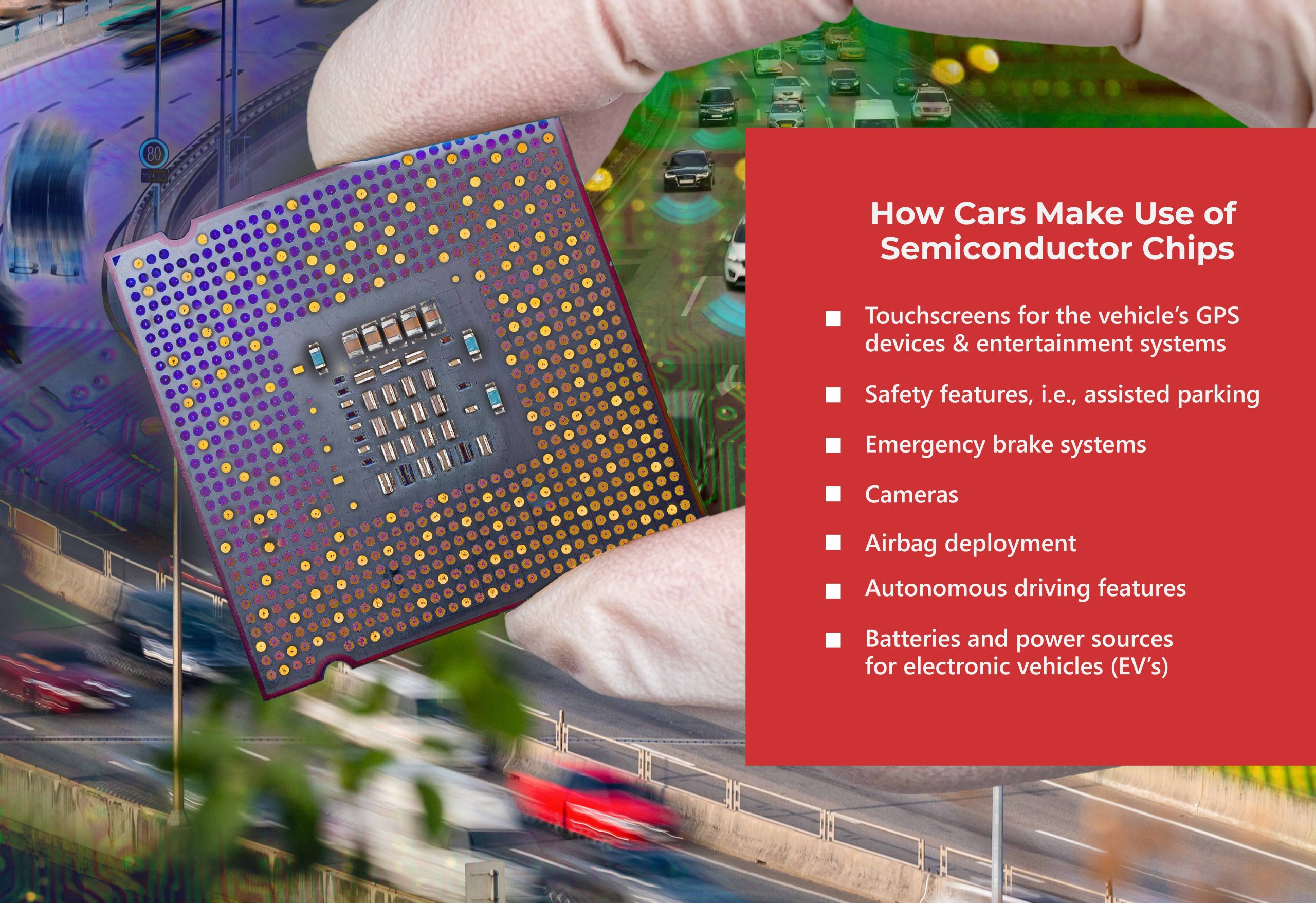
A worldwide scarcity of semiconductor chips forced major carmakers to idle assembly lines on 8 June 2021, trimming an estimated 628,000 vehicles from first-quarter output and pushing global auto revenue down by roughly US $100 billion even as consumer prices rose.
Pandemic demand collides with auto forecasts
The roots of the squeeze reach back to March 2020, when lockdowns sent millions of employees and students home. Orders for laptops, tablets, phones and game consoles jumped, soaking up capacity at Taiwan Semiconductor Manufacturing Co. (TSMC) and other foundries. Auto executives, expecting a prolonged recession, cancelled chip orders. When showroom traffic rebounded faster than predicted, those orders went to the back of the queue. Winter storms in Texas and a March fire at Renesas Electronics in Japan then knocked out additional supply. The result: a backlog that consultancy AlixPartners says will stretch well into 2022.
“Long-term forecasts, strategic buffers, early-warning systems and part-design choices are tools that can play a more active role at every tier of product delivery,” an AlixPartners analyst told clients in a June note.
Lines stop from Kentucky to Stuttgart
With wafer starts rationed, manufacturers prioritised high-margin parts. Volkswagen trimmed output at its German plants that build the Passat and Tiguan. Ford idled its Louisville, Kentucky, SUV factory for a week and its Saarlouis, Germany, plant for a month. Daimler channelled scarce chips toward the new EQS luxury electric sedan, priced near US $100,000, while pausing the cheaper C-Class line in Bremen.
IHS Markit estimates the first-quarter shortfall alone removed 3 percent of planned global production. The lost volume, valued at roughly US $100 billion, erases almost half of the sector’s expected rebound to US $2.1 trillion this year, up from US $1.65 trillion in 2020.
Chip suppliers book record revenue
While carmakers counted idle bodies, silicon vendors posted record earnings. First-quarter revenue for the top-ten chip makers hit US $22.75 billion, with TSMC capturing 57 percent of the total after booking US $12.9 billion, up 2 percent year-on-year. NXP Semiconductors, whose micro-controllers run infotainment and battery systems, also beat forecasts.
“The transition to electric vehicles is happening faster than expected, and demand for automotive chips keeps rising,” NXP CEO Kurt Sievers said on 2 June during an investor call.
Washington and Brussels promise fabs
The concentration of fabs in Taiwan, South Korea and China has rattled Washington and Brussels. Both the U.S. and the European Union are preparing subsidy packages to lure advanced plants within their borders. Congress is debating a US $52 billion federal incentive, while the EU targets 20 percent of global production by 2030. Analysts caution that new capacity will take at least two years to come online, leaving buyers exposed to further shocks.
Carmakers strip out features to stay afloat
Until supply loosens, brands are deleting high-tech content rather than stopping shipments altogether. Nissan has cancelled navigation systems on thousands of crossovers. Ram’s best-selling 1500 pickup ships without its standard smart rear-view mirror, and Renault has replaced large digital rear displays with smaller analogue units. Buyers still face higher stickers: J.D. Power reports the average U.S. transaction price rose 12 percent in May from a year earlier, a record jump.
The shortage also threatens the wider shift to electrification. Battery-powered models need roughly twice the silicon of combustion vehicles, and every lost sale delays fleet-average emission targets set for 2025 and 2030. Dealers now hold just 25 days of inventory, half the pre-pandemic norm, and rental-car fleets are snapping up used models, further tightening supply.
Governments and manufacturers agree that today’s bottleneck will not be the last. Connected cars, 5G infrastructure and industrial automation are expected to double chip demand within five years. Whether new foundry capacity, redesigned parts or deeper supply-chain mapping can prevent a repeat will determine how quickly the auto sector can reclaim the millions of sales now slipping through its fingers.