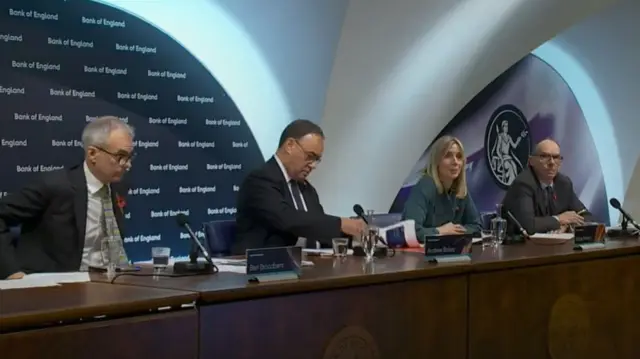
The Bank of England’s press conference audio feed was hacked and accessed by high-speed traders minutes before its scheduled broadcast on December 23, 2019, giving hedge funds a potential profit advantage. The breach involved a backup communications system intended for technical failures. The Bank has barred the third-party supplier responsible and referred the matter to the Financial Conduct Authority (FCA) for investigation.
The security breach
The Bank of England confirmed that its backup audio feed for Governor Mark Carney’s press conference was compromised. The audio was originally recorded only as a contingency in case of video problems. Instead, the system was hijacked, allowing the feed to be shared illegitimately before the public broadcast.
“Our back-up communications system got hijacked, allowing the audio to be shared illegitimately,” a Bank of England spokesperson said. The Bank has since blocked the third-party supplier from accessing any future press conferences.
How hedge funds could have benefited
Reports indicate that advance access to the audio could have given hedge funds a competitive edge. Carney’s remarks often move the value of the pound and UK government bonds, known as gilts. Traders with early access could execute trades before the broader market reacted.
Many firms invest in specialized computer programs that execute numerous transactions in less than a second. This high-frequency trading allows them to profit from tiny price movements. The hacked audio provided a window of opportunity for such strategies.
The supplier and regulatory response
The Bank of England has not named the third-party supplier involved. But it has barred the company from future access to press conferences. The Bank also referred the incident to the Financial Conduct Authority.
“We have referred the controversial issue to the Financial Conduct Authority and asked regulators to conduct further investigations,” the Bank of England spokesperson said. The FCA has not yet announced a timeline for its probe.
Broader implications for financial security
The hack raises questions about the security of central bank communications. Central banks worldwide rely on secure feeds to prevent market manipulation. A breach like this undermines trust in the system.
High-frequency trading firms constantly seek any edge. Even a few seconds of advance information can be worth millions. Regulators now face pressure to tighten security protocols for all central bank events.
The incident also highlights the growing risk of cyber attacks on financial infrastructure. Central banks are prime targets because their announcements move global markets. The Bank of England’s backup system was a weak point that attackers exploited.
What happens next
The FCA investigation will determine whether any laws were broken. If traders used the hacked audio to profit, they could face penalties. The Bank of England is reviewing its security measures to prevent a repeat.
The third-party supplier may also face consequences. The Bank has already cut ties, but regulators could impose fines or other sanctions. The incident is a warning to other central banks to audit their own backup systems.
The story show the tension between fast markets and secure communications. Central banks must balance transparency with the need to protect sensitive information. The Bank of England’s response will set a precedent for how such breaches are handled.
The hack of the Bank of England’s press conference audio was a serious security lapse that gave hedge funds a potential trading advantage. The Bank acted quickly to cut off the supplier and refer the matter to regulators. The FCA investigation will determine if any laws were broken. For now, the incident highlights the vulnerabilities in even the most secure financial systems. Central banks everywhere will be watching closely.