On September 7, 2022, Sarawak launched a new submarine cable to Singapore via Batam and a Tier IV data center in the state, which is expected to improve internet connectivity in Sarawak, especially in rural areas. The Batam Sarawak Internet cable system and data center are part of the state’s digitalization efforts to become a high-income economy by 2030. State Utility and Telecommunication Minister Datuk Julaihi Narawi and PP Telecommunication Sdn Bhd chief executive Jonathan Smith were present at the launch. The new infrastructure is expected to reduce latency issues and provide faster internet connectivity.
introduction to the new infrastructure
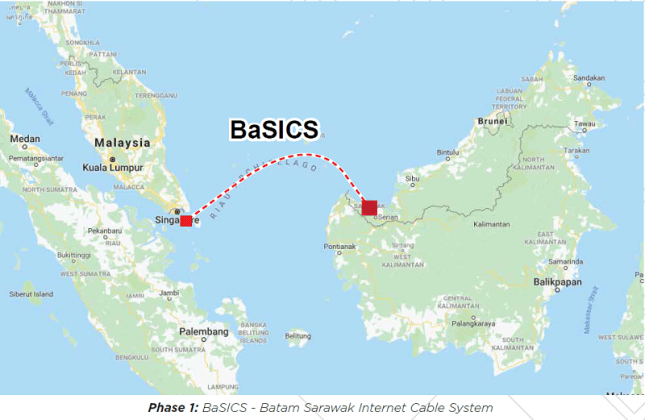
The new submarine cable, known as the Batam Sarawak Internet cable system (Basics), is a 700km-long cable connecting Sarawak to the regional telco hub of Singapore via Batam in Indonesia. According to Jonathan Smith, it consists of six fiber pairs with 80 wavelengths of 100 Gbps transmission capacity each, for a total system capacity of 48 Tbps. This cable system is the first step in PPTEL’s vision to make Sarawak a viable option as a regional data hub alongside established players. As Smith said, “This cable system is the first step in our vision to make Sarawak a viable option as a regional data hub alongside established players. And significantly reduces the latency, or round-trip delay time, between Kuching and Singapore.”
benefits of the new infrastructure
The new infrastructure is expected to improve internet connectivity in Sarawak, especially in rural areas. Datuk Julaihi Narawi said, “With this infrastructure, latency issues like hanging and being unable to connect will be a thing of the past.” The state government realizes that digitalization is key to transforming the economy, and technology is the wave of the future. As Julaihi said, “The state government realizes that digitalization is key to transforming the economy and technology is the wave of the future. It will be difficult to reach the next level of development without adopting future technologies which depend on connectivity.” The new infrastructure is expected to play a major role in helping Sarawak achieve its target of becoming a high-income economy by 2030.
data center details
The data center in Santubong, near Kuching, is already operational and provides the landing point for Basics into Sarawak. According to Smith, it is the first data center in Malaysia to be certified as Tier IV by the Uptime Institute, after meeting stringent requirements for infrastructure, security, energy usage, and redundancy. The data center is expected to provide a secure and reliable environment for data storage and processing. At the launch ceremony, PPTEL signed a corporate partnership agreement with Sarawak Information Systems Sdn Bhd (Sains) on use the infrastructure.
future plans and expectations
The launch of the new submarine cable and data center is expected to have a positive impact on the economy of Sarawak. The state government is expecting that the new infrastructure will attract more investments and create new job opportunities. As Julaihi said, “The facilities were in line with the state government’s plans to become a high-income economy by 2030. Incorporating digital adoption and data utilization to accelerate development.” The new infrastructure is also expected to improve the quality of life for the people of Sarawak, especially in rural areas, by providing them with faster and more reliable internet connectivity.
The launch of the new submarine cable and data center is a significant step towards achieving Sarawak’s goal of becoming a high-income economy by 2030. With the new infrastructure in place, the state is expected to experience significant improvements in internet connectivity, which will have a positive impact on the economy and the quality of life for the people of Sarawak. As the state continues to develop its digital infrastructure, it is expected to become a more attractive destination for investments and a better place to live and work. The partnership between PPTEL and Sains is also expected to play a major role in use the new infrastructure and achieving the state’s digitalization goals.