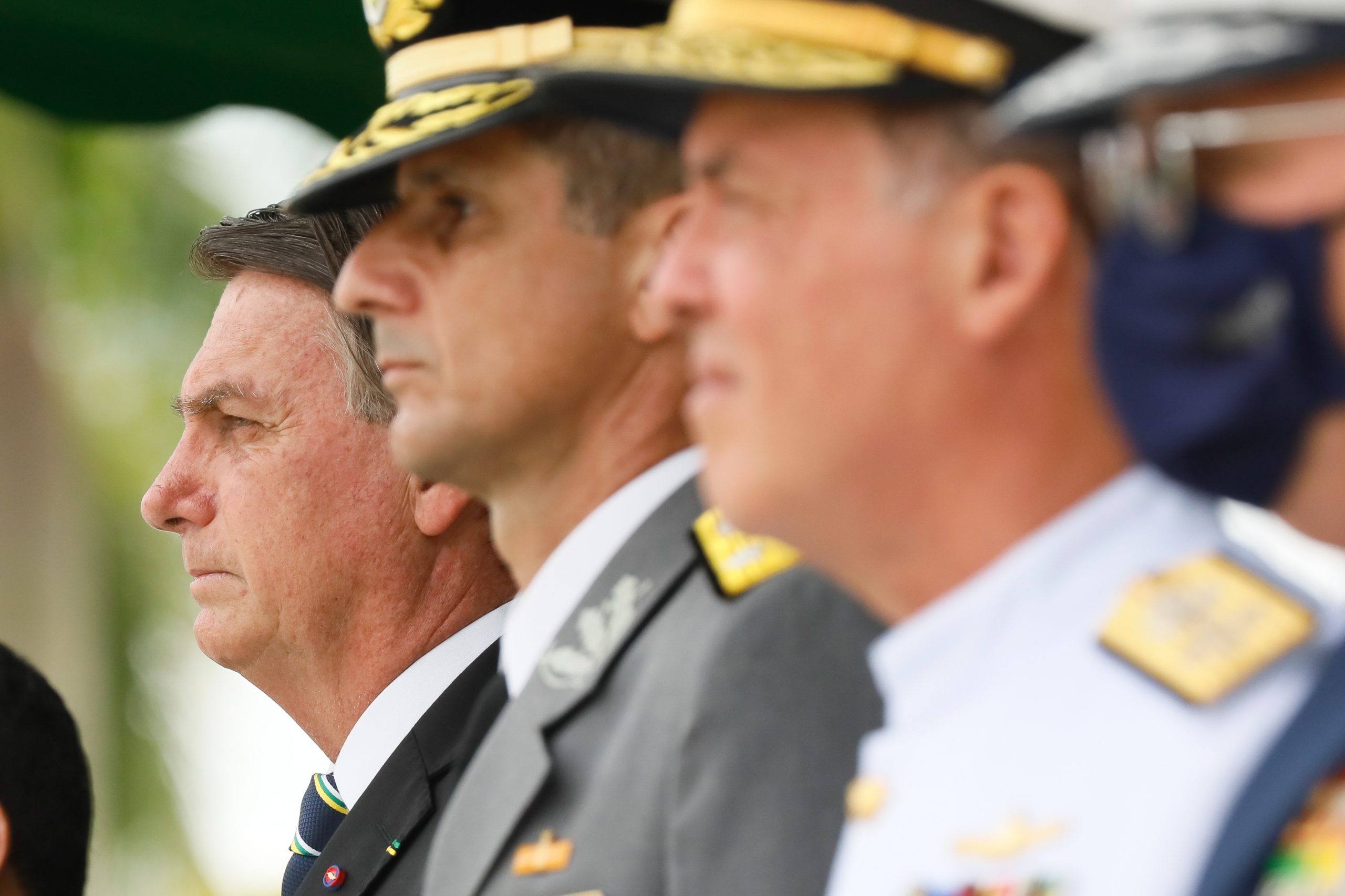
Brazilians went to the polls on October 2, 2022, to elect a new president, vice president, and other key officials in a highly anticipated general election. The vote marked a critical moment for the country, with incumbent president Jair Bolsonaro seeking a second term after a tumultuous first term in office. Bolsonaro, who was first elected in 2018 as the candidate of the Social Liberal Party, has since left that party and joined the Liberal Party in 2021. His running mate in the election was Walter Braga Netto, also of the Liberal Party, rather than incumbent vice president Hamilton Mourão.
The election was seen as a referendum on Bolsonaro’s presidency, which has been marked by controversy and division. The incumbent president has been a polarizing figure, known for his conservative social policies and his handling of the COVID-19 pandemic. His opponent, former president Luiz Inácio Lula da Silva, of the left-wing Workers’ Party, was seeking a third non-consecutive term in office. Da Silva, a popular figure in Brazilian politics, has a long history of public service and was seen as a strong challenger to Bolsonaro’s bid for re-election.
As the votes were being counted, it became clear that the election would be a closely contested one. With no candidate receiving more than half of the valid votes, a runoff election was likely to be held on October 30. This scenario would pit the top two candidates against each other in a second round of voting, giving Brazilians another chance to weigh in on the direction of their country. The runoff election would be a critical test for both candidates, with the winner set to become the next president of Brazil.
Bolsonaro’s first term in office has been marked by significant challenges, including a struggling economy and a worsening COVID-19 pandemic. The incumbent president has also faced criticism for his handling of the environment and his relations with other countries. Despite these challenges, Bolsonaro remains a popular figure in some parts of Brazil, particularly among conservative voters. However, his opponent, da Silva, has a strong track record of public service and is seen as a more moderate figure, which could appeal to voters looking for a change.
The election has also been closely watched by international observers, who are keen to see how the outcome will affect Brazil’s relations with other countries. As a major player in regional and global affairs, Brazil’s next president will have a significant impact on issues such as trade, security, and the environment. The United States, in particular, will be watching the election closely, given the importance of Brazil as a key partner in the region. The U.S. has a long history of cooperation with Brazil, and the next president will play a critical role in shaping the future of this relationship.
As the first round of voting comes to a close, all eyes will be on the runoff election scheduled for October 30. The outcome of this election will have significant implications for Brazil and the wider region, and will be closely watched by observers around the world. With the candidates set to face off in a second round of voting, Brazilians will have another chance to weigh in on the direction of their country and choose a new leader to guide them forward. The next few weeks will be critical in shaping the future of Brazil, and the world will be watching with great interest to see what the outcome of the election will be.