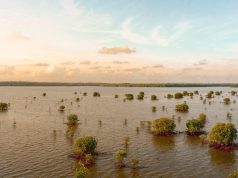
The rain that fell on March 24 across Espírito Santo and Rio de Janeiro did not come out of nowhere. It arrived on ground already altered. Deforestation, soil erosion, and the steady creep of human settlement into hillsides and floodplains had been preparing the stage for days like this for years. When the storm hit, it killed twenty-three people. The number is not random. It is the product of choices made long before a single cloud burst.
Brazil’s Atlantic Forest, which once blanketed these states, has been carved back for agriculture, housing, and roads. Trees that held soil in place are gone. Roots that absorbed rainwater are gone. What remains is exposed earth, and when heavy rain falls, that earth moves. Landslides become inevitable. Flooding becomes a matter of when, not if. The storm that killed twenty-three was severe, but the damage it caused was amplified by a landscape that had lost its natural defenses.
Rescue teams are still working. They are searching for survivors. They are handing out aid. The Brazilian government has promised emergency assistance and pledged to rebuild damaged infrastructure. That is the immediate response. But the question that hangs over the cleanup is whether the rebuilding will repeat the same mistakes. Paving over more ground, cutting more trees, building more homes on unstable slopes — these are the patterns that made the storm so deadly.
The link between extreme weather and environmental degradation is not abstract. It is visible in the mud that buried houses. It is visible in the roads that washed out. It is visible in the rivers that rose and swallowed neighborhoods. The storm itself was a natural event. The disaster was not. It was built, piece by piece, by decisions that ignored how the land works.
Sustainable land-use practices are not a luxury. They are a form of insurance. Reforestation, soil conservation, and the creation of natural barriers — these are measures that cost money and require political will. But they also save lives. The twenty-three people killed in Espírito Santo and Rio de Janeiro are evidence of what happens when those measures are postponed.
The economic argument is straightforward. Floods and landslides destroy infrastructure. They shut down businesses. They displace families. The cost of cleanup and rebuilding always exceeds the cost of prevention. Yet prevention is treated as optional, while emergency response is treated as necessary. That math does not add up, but it is repeated every time a storm hits.
Renewable energy sources like wind and solar power have been mentioned as part of the long-term solution. They reduce reliance on fossil fuels. They promote energy security. But they do not, by themselves, stop a hillside from collapsing. That requires a different kind of investment — in the land itself. In keeping forests standing. In keeping soil anchored. In keeping development out of harm’s way.
The storm has passed. The rain has stopped. What remains is a landscape scarred by mud and water, and a community counting its dead. The rescue teams will finish their work. The government will spend money on repairs. But unless the underlying conditions change, the next storm will find the same vulnerabilities waiting. The ground will still be bare. The slopes will still be unstable. The houses will still be in the wrong places.
Twenty-three people died on March 24. That number is already in the past. What matters is whether it becomes a lesson or just a statistic.