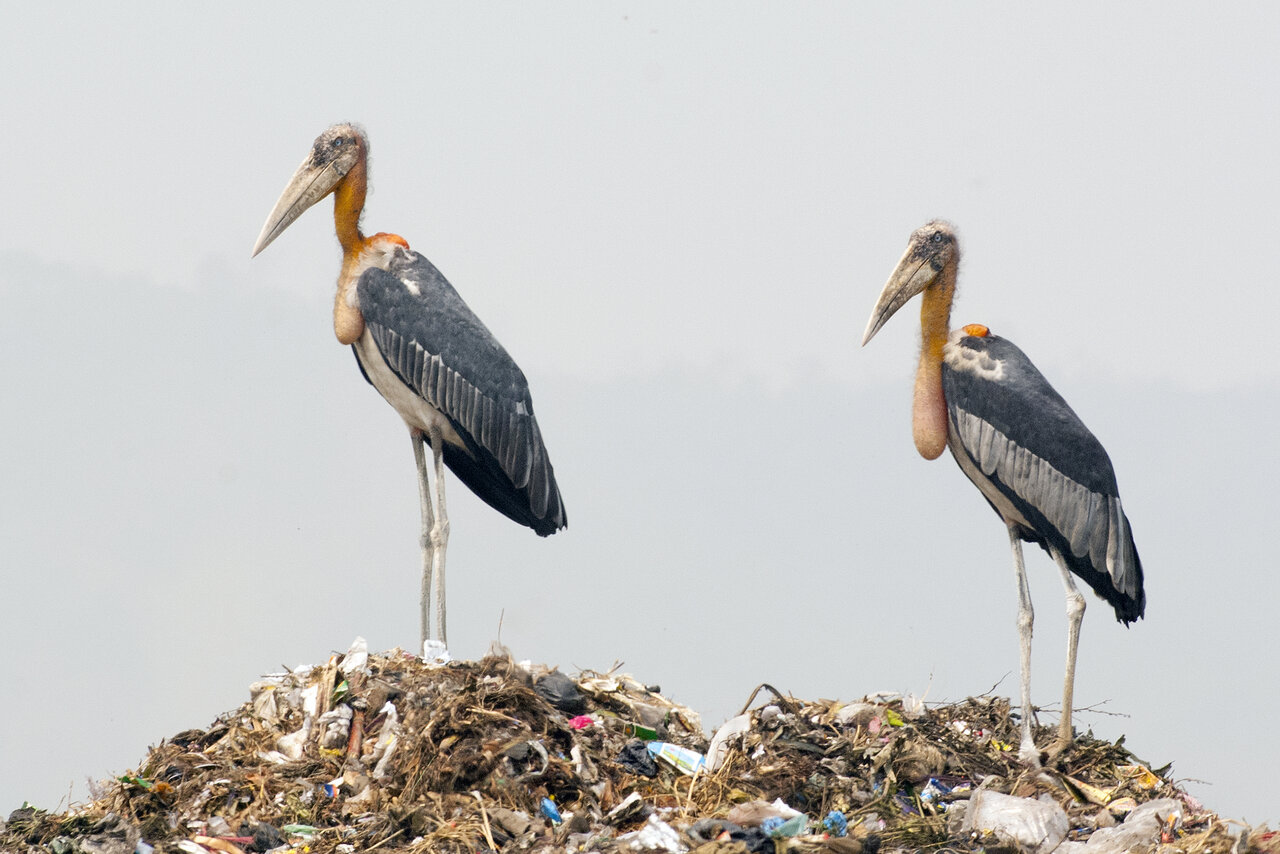
A significant step forward in the conservation of the greater adjutant species was taken on November 19, 2025, as Cambodian conservation groups released two captive-bred birds into the Siem Pang Wildlife Sanctuary. This marks the first time such an initiative has been undertaken, with the birds being fitted with GPS trackers to monitor their movements and behavior. The release is part of a broader effort to restore the wild population of the greater adjutant, a species that has been threatened due to habitat loss and other environmental factors.
The greater adjutant, known for its distinctive appearance and unique characteristics, is a species of stork that was once widespread across Southeast Asia. However, its population has declined significantly over the years, prompting conservation efforts to protect and preserve the species. According to conservationists, the release of the two captive-bred birds into the Siem Pang Wildlife Sanctuary is a crucial step towards reestablishing a wild population. Dr. Sok Ko, a leading conservationist in Cambodia, expressed optimism about the initiative, stating that the use of GPS trackers will provide valuable insights into the birds’ behavior and habitat use.
Cambodia, with its rich biodiversity and unique ecosystem, provides an ideal setting for conservation efforts. The country’s tropical climate and vast low-lying plains, dominated by the confluence of the Mekong river and Tonlé Sap, Southeast Asia’s largest lake, support a wide range of flora and fauna. The Siem Pang Wildlife Sanctuary, where the two greater adjutants were released, is a protected area that provides a safe habitat for the birds to thrive. The sanctuary is home to a variety of species, including birds, mammals, and reptiles, and is considered an important site for conservation efforts in the region.
The use of GPS trackers in the conservation effort is a significant aspect of the initiative. The trackers will allow conservationists to monitor the birds’ movements, providing valuable data on their habitat use, migration patterns, and behavior. This information will be essential in informing future conservation efforts and ensuring the long-term survival of the species. As Dr. Ko explained, the GPS trackers will also help conservationists to identify potential threats to the birds, such as habitat destruction or poaching, and take proactive measures to mitigate these threats.
Conservation Efforts in Cambodia
Cambodia has been actively engaged in conservation efforts in recent years, with a focus on protecting the country’s rich biodiversity. The government has established a number of protected areas, including national parks and wildlife sanctuaries, to provide a safe habitat for endangered species. Conservation groups, such as the one involved in the release of the greater adjutants, are also working closely with local communities to promote sustainable livelihoods and reduce the impact of human activities on the environment. Dr. Touch Seang Tito, a conservation biologist, emphasized the importance of community engagement in conservation efforts, stating that the involvement of local communities is essential in ensuring the long-term success of conservation initiatives.
As conservation efforts continue to gain momentum in Cambodia, there is hope that the release of the two captive-bred greater adjutants will mark the beginning of a successful program to restore the species’ wild population. The use of GPS trackers and other technologies will provide valuable insights into the birds’ behavior and habitat use, informing future conservation efforts and ensuring the long-term survival of the species. With continued support from conservation groups, the government, and local communities, there is optimism that the greater adjutant will thrive once again in the wild. Dr. Ko expressed hope that the initiative will serve as a model for future conservation efforts, not only in Cambodia but also in other parts of Southeast Asia.
The release of the two greater adjutants into the Siem Pang Wildlife Sanctuary is a significant step forward in the conservation of the species, and highlights the importance of research and technology in informing conservation efforts. As conservationists continue to work towards restoring the wild population of the greater adjutant, there is hope that the species will thrive once again in its natural habitat. With the use of GPS trackers and other technologies, conservationists will be able to monitor the birds’ movements and behavior, providing valuable insights into the species’ ecology and informing future conservation efforts.
Looking to the future, there is optimism that the conservation of the greater adjutant will serve as a model for other conservation initiatives in the region. The use of GPS trackers and other technologies will provide valuable insights into the behavior and habitat use of other species, informing conservation efforts and ensuring the long-term survival of endangered species. As Dr. Tito explained, the conservation of the greater adjutant is not only important for the species itself, but also for the ecosystem as a whole. The preservation of biodiversity is essential for maintaining healthy ecosystems, and conservation efforts such as the release of the greater adjutants are critical in ensuring the long-term health of the environment.
Consult your doctor for medical advice.