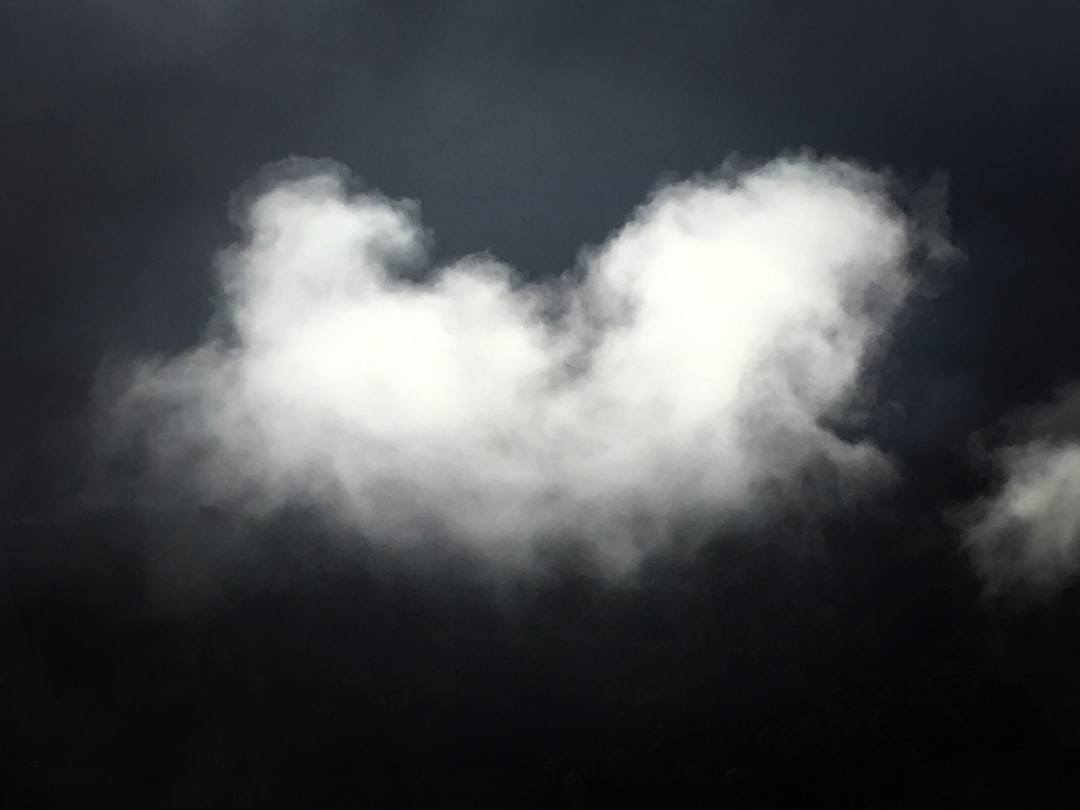
The smoke from wildfires in northern Ontario and Quebec has now pushed air quality in 26 states and Washington, D.C. to hazardous levels. Over 179 million people are under health advisories as of June 7, 2023. The fallout is not theoretical. It is a daily reality for residents from Chicago to New York City, where the sky has turned an eerie orange and the air burns the lungs.
Public health officials are blunt. Stay indoors. Keep windows and doors sealed. Avoid any strenuous activity outside. The advice is simple. The execution is not. For millions of people, staying inside is a privilege, not a choice. Delivery drivers, construction workers, and those without reliable housing have no such option. They breathe the same air as everyone else, but with far less protection.
The immediate health effects are already visible. Particulate matter from the fires has reached levels that trigger emergency room visits. People with asthma, heart disease, or chronic lung conditions are the most vulnerable. The elderly and young children are also at heightened risk. But even healthy adults are reporting scratchy throats, burning eyes, and shortness of breath. Prolonged exposure to this level of pollution can cause lasting damage. The report notes that long-term effects include respiratory problems, cardiovascular disease, and cancer. Those are not abstract risks. They are the direct consequence of breathing air thick with smoke for days on end.
The economic consequences are unfolding quietly. Outdoor work slows down or stops. Restaurants that rely on patio seating lose revenue. Schools cancel recess and outdoor sports. Commuters who can work from home do so, but those who cannot—retail workers, warehouse staff, transit operators—face a grim calculus: go to work and inhale toxic air, or stay home and lose pay. There is no easy answer.
Local authorities have issued air quality alerts across the affected region. The alerts are warnings, but they carry no enforcement power. People are left to decide for themselves how much risk to accept. The report emphasizes that vulnerable populations must take precautions. But precautions require resources. Air purifiers are sold out in many cities. N95 masks are in short supply again. The infrastructure to protect public health is straining under the weight of a crisis that shows no signs of ending quickly.
The fires themselves are still burning. Ontario and Quebec are vast, and the wildfires there are massive. They are not contained. They are not under control. The smoke will continue to drift south and east as long as the fires burn. That means the health advisories will remain in place. It means the economic disruption will persist. It means millions of people will keep waking up to hazardous air, day after day, until the weather changes or the fires are put out.
What comes next depends on wind patterns and firefighting efforts. Neither is predictable. For now, the message from health officials is consistent and urgent: limit time outdoors, keep windows closed, and monitor air quality reports. The advice is sound. Whether it is followed, or can be followed, is another question entirely. The smoke does not discriminate. It settles over rich neighborhoods and poor ones alike. But the ability to avoid it is not evenly distributed. That is the stark reality of this event. The fires are a natural disaster. The fallout is a human one.