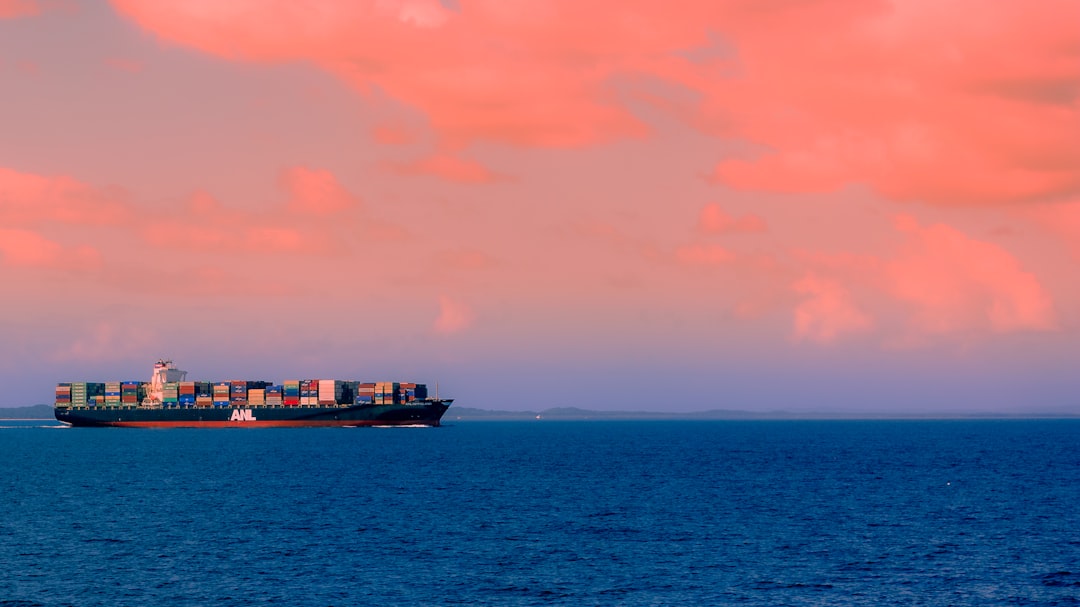
The cargo ship Fremantle Highway, a vessel carrying roughly 3,000 cars off the Dutch coast, is now a floating environmental liability. On July 26, a fire broke out near the island of Ameland. One crew member died. Twenty-two others were injured. The ship, owned by Shoei Kisen Kaisha, was en route from Germany to Egypt when the blaze started.
The immediate human cost is clear. The longer-term risk is harder to measure but potentially vast. That ship is a steel box packed with thousands of automobiles. Each one contains oil, fuel, and battery acid. Many are electric vehicles. The cargo hold is a chemical warehouse. If the fire weakens the hull, or if the ship sinks, that mix of pollutants enters the North Sea.
Dutch authorities have moved fast. Emergency services are on site. Maritime experts are assessing the damage. They are working to contain the spill before it spreads. But containment is a race against time and tide. The ship is still burning. The fire’s cause is unknown. An investigation is underway.
This is not a hypothetical. Oil spills from cargo ships have poisoned coastlines for decades. The Fremantle Highway adds a new variable: thousands of cars, many of them electric, packed together. Lithium-ion batteries, when damaged, can reignite. They can release toxic fumes. They are difficult to extinguish. The ship’s hold is a confined space. A fire there is not like a fire on land. It can smolder for days, even weeks.
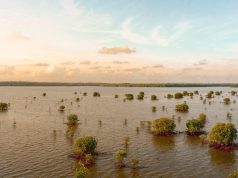
The environmental stakes are concrete. The Netherlands coastline is ecologically sensitive. The Wadden Sea, near the ship’s location, is a UNESCO World Heritage site. It is a critical habitat for seals, migratory birds, and fish. A fuel leak or chemical discharge could damage that ecosystem for years. The economic stakes are equally real. Fishing grounds, tourism, and shipping lanes all converge here. A major spill would hit all three.
Shoei Kisen Kaisha, the ship’s owner, now faces scrutiny. The company will have to answer for the ship’s condition, its crew’s training, and its cargo handling. The shipping industry as a whole watches. The incident is a stress test for safety protocols that are supposed to prevent exactly this kind of disaster.
The fire on the Fremantle Highway is a single event. But it lays bare a wider problem. Global trade depends on ships like this one. They carry everything from electronics to food to cars. They cross oceans, often with minimal oversight. When something goes wrong, the consequences are not abstract. They are oil in the water, fumes in the air, and a dead crew member.
The investigation will take time. The cleanup, if needed, will take longer. For now, the ship burns. The authorities work. The sea waits. What happens next will depend on the hull, the fire, and the wind. The outcome is not certain. But the risk is real, and it is not small.