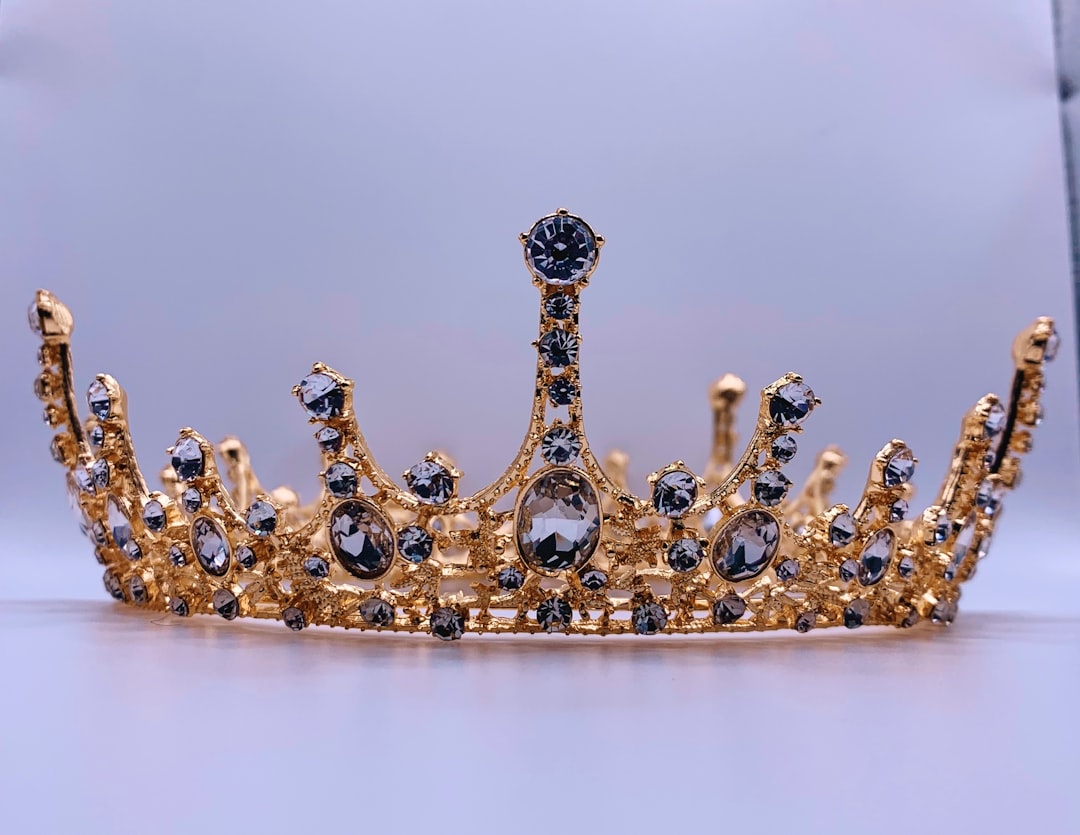
Catherine, Princess of Wales, now holds a title that carries centuries of expectation. The last woman to bear it was Diana. The weight of that history is not lost on the royal family or the public.
William became Prince of Wales on 9 September 2022, the day his father, King Charles III, granted him the title. Catherine became Princess of Wales by default. The change is formal, but its effects ripple outward. It reshapes the couple’s public identity. It places Catherine in a direct line of comparison with every woman who held the title before her.
That list is short. The title is not automatically given to the wife of the Prince of Wales. It is a courtesy title, granted by the sovereign. Catherine is the first woman to use it since Diana, Princess of Wales, died in 1997. Camilla, now Queen Camilla, held the title legally after marrying Charles in 2005 but chose not to use it out of respect for Diana’s memory. Catherine has made no such choice. She is using the title fully.
The practical consequences are immediate. Every official engagement, every overseas tour, every charity event now carries the Princess of Wales branding. The royal website has been updated. Letters are written on new stationery. The couple’s three children — George, Charlotte, and Louis — now have parents who are the Prince and Princess of Wales. That changes the children’s public roles as well. George, second in line to the throne, is now the son of the Prince of Wales. Charlotte and Louis are the grandchildren of the monarch and the children of the heir apparent. Their public appearances will be scrutinized differently.
Catherine’s charitable work will continue through the Royal Foundation, but the scope of that work may widen. The Princess of Wales has historically taken on patronages that reflect the interests of the crown. Diana focused on AIDS awareness, landmine clearance, and homelessness. Catherine has focused on early childhood development, mental health, and the arts. Those causes are likely to remain central, but the new title gives her a broader platform. She now speaks as the future queen consort, not just the Duchess of Cambridge.
The timing matters. King Charles III ascended the throne after the death of Queen Elizabeth II. The transition has been gradual. Catherine’s new title is part of a larger shift in the monarchy’s public face. The King is older. William and Catherine are younger, more modern, and more attuned to the media landscape. They represent the next phase of the institution.
Public reaction has been mixed. Some see the title as a natural progression. Others compare Catherine directly to Diana, often unfavorably. Diana was a global icon who broke royal protocol regularly. Catherine has been more reserved, more cautious, more traditional. That difference is not a flaw. It is a choice. The royal family learned from Diana’s experience. Catherine’s approach is deliberate. She has built her public image slowly, over more than a decade of marriage. She did not rush into high-profile causes. She learned the machinery of royal life first.
The title also brings a new level of scrutiny to her marriage. William and Catherine met at the University of St Andrews in 2001. They graduated in 2005. Their engagement was announced in November 2010. They married at Westminster Abbey on 29 April 2011. That timeline is well known. What is less discussed is how the Prince of Wales title changes their dynamic. William is now the direct heir. Catherine is his partner in that role. Their marriage is no longer just a royal marriage. It is the marriage of the future king and queen. Every public interaction will be read for signs of tension or unity.
The couple has handled the transition quietly. No grand statements. No dramatic gestures. They have simply continued their work. That is likely intentional. The monarchy has no interest in spectacle right now. It wants stability. Catherine, Princess of Wales, is part of that stability. She is not Diana. She is not Camilla. She is herself, and the title is hers to define.