The Commonwealth Bank of Australia did not become one of the country’s largest financial institutions overnight. It was founded in 1911 by the Australian government. Fully privatised in 1996, it is now a pillar of the big four, alongside National Australia Bank, ANZ, and Westpac. Its reach is broad — retail, business, institutional banking, funds management, superannuation, insurance, investment, and broking services all fall under its umbrella. Brands such as Bankwest, Colonial First State Investments, ASB Bank in New Zealand, CommSec, and CommInsure are part of the group. It listed on the Australian Stock Exchange on September 12, 1991. Today, the bank faces allegations of 53,000 breaches of anti-money laundering rules. The alleged breaches were facilitated through its smart-deposit ATMs.
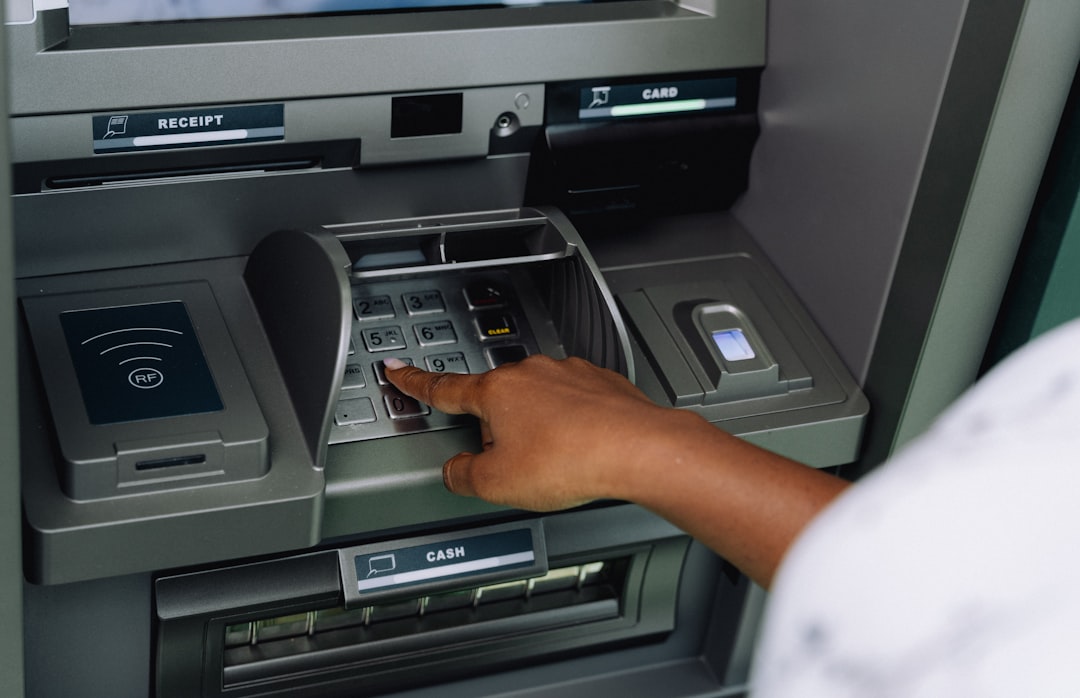
Smart-deposit ATMs allow customers to deposit cash and cheques without an envelope. They are fast, convenient, and popular. But the same speed that makes them attractive to legitimate customers also makes them attractive to those looking to move money quickly. According to reports, the bank’s machines became a channel for alleged breaches. The exact mechanism — how the ATMs were used to bypass checks — is central to the regulatory case. The bank’s size and history give the allegations weight. A 106-year-old institution, once a government creation, now a private giant, is accused of failing to police its own machines.
This is not a new problem. Banks have long struggled to balance customer convenience with compliance. Automated systems handle deposits faster than human tellers ever could. But speed can outrun oversight. The Commonwealth Bank’s smart-deposit ATMs processed thousands of transactions. The allegation is that 53,000 of them broke the rules. That number is not small. It suggests a pattern, not a glitch.
Why now? The report was published on August 7, 2017. The bank has been listed on the Australian Stock Exchange since 1991. It has been fully privatised since 1996. For over two decades, it operated as a private company, subject to the same anti-money laundering laws as every other financial institution. The allegations point to a failure in that system. The bank’s own history — its founding by the government, its long public service role, its later privatisation — makes the case more striking. A bank built by the state is now accused of letting its ATMs become tools for potential money laundering.
The consequences matter. The Commonwealth Bank is one of the largest Australian listed companies. Its stock is widely held. Its services are used by millions. If the allegations hold, the bank faces not only regulatory penalties but also a loss of trust. Trust is hard to rebuild. The bank’s brands — Bankwest, Colonial First State, CommSec, CommInsure — all rely on it. The smart-deposit ATMs were meant to be a convenience, not a vulnerability.
Regulators are watching. The Australian Transaction Reports and Analysis Centre, known as AUSTRAC, is the agency responsible for monitoring compliance. The 53,000 alleged breaches represent a significant enforcement case. The bank’s response will be scrutinised. Its history offers no shelter. A bank founded by the government, privatised, and now one of the big four, cannot claim ignorance of the rules. The machines did what they were programmed to do. The question is whether the bank programmed them to check.