Escalating Tensions in the Taiwan Strait as Beijing Mobilizes Forces
On August 10, 2023, the People’s Republic of China significantly intensified its military pressure on Taiwan by deploying fighter jets and naval vessels into waters surrounding the island. This aggressive maneuver was part of a broader strategy to assert dominance over the self-governing region and test the resolve of Washington and Taipei without triggering an immediate conflict. The move show Beijing’s growing confidence in its military capabilities and its determination to prevent any scenario that could lead to Taiwan joining other democratic nations or aligning more closely with the United States. While the Chinese government frames these actions as legitimate defense exercises aimed at safeguarding national sovereignty, international observers view them as coercive tactics designed to intimidate a sovereign democracy and disrupt regional stability. The deployment is a stark reminder of the unresolved cross-strait tensions that have persisted for decades and highlights the increasing risk of miscalculation in one of the world’s most volatile flashpoints.
A Show of Force Across the Strait
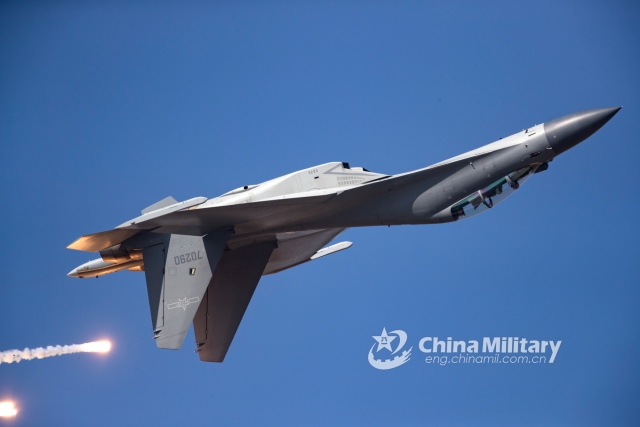
The People’s Liberation Army (PLA) executed a large-scale operation that saw multiple squadrons of advanced fighter aircraft conducting flight operations over the Taiwan Strait. These jets, often equipped with long-range air-to-air missiles and precision-guided munitions, patrolled areas close to Taiwanese airspace. Simultaneously, naval ships from various branches of the PLA Navy moved into positions that encircled parts of the island, effectively creating a no-fly zone in practice rather than just in theory. The sheer number of assets involved indicated a coordinated effort to demonstrate overwhelming military superiority.
According to statements released by Chinese defense officials, the exercises were intended to simulate scenarios involving potential external interference and internal separatist activities. However, independent analysts point out that such large-scale mobilizations are frequently used as psychological warfare tools. By positioning forces so close to the island, Beijing aims to send a message of unwavering resolve to Taipei and its international allies. The presence of these military assets also serves to disrupt Taiwan’s economic lifelines, particularly its maritime trade routes, which are critical for the global supply chain.
Regional Impact and Diplomatic Fallout
The deployment has sent ripples through the Asia-Pacific region, prompting immediate responses from neighboring countries and key international partners. Japan, a close ally of the United States, expressed concern over the stability of the East China Sea and reiterated its commitment to maintaining a free and open Indo-Pacific order. South Korea and the Philippines also voiced support for Taiwan’s sovereignty, emphasizing the importance of respecting international law and norms.
In Washington, officials condemned the aggressive maneuvers as a violation of the one-China policy that underpins much of US-PRC relations. The White House stated firmly that any attempt to use force or coercion against Taiwan would be met with determined resistance. This diplomatic stance reflects the broader strategic interest the United States holds in ensuring that Taiwan remains part of the global democratic community. The situation has further strained ties between Beijing and Washington, raising fears of a potential escalation into a wider conflict involving nuclear-armed powers.
Economic Consequences for Global Trade
Beyond the immediate military implications, the deployment carries significant economic ramifications for the global community. Taiwan is a crucial hub for semiconductor manufacturing, producing chips that power everything from smartphones to artificial intelligence systems. Any disruption to its operations could have far-reaching effects on industries worldwide. The Chinese government has long sought to isolate Taiwan economically, hoping to erode its capacity to resist pressure over time. However, such efforts have largely backfired, as global companies continue to rely on Taiwanese technology despite Beijing’s threats.
Critics argue that using military force or economic coercion against a sovereign entity undermines the principles of free trade and open markets. The international community watches closely to see how Taipei responds to these pressures and whether it can maintain its independence amidst growing hostility from Beijing. The outcome of this standoff will likely shape the future trajectory of global geopolitics for years to come.
Looking Ahead Amidst Rising Risks
As the dust settles on this latest round of military posturing, the world remains vigilant about the possibility of further escalation. The Chinese leadership has repeatedly stated that reunification with Taiwan is inevitable, yet the path to achieving this goal remains fraught with uncertainty. Continued deployments of fighter jets and naval ships suggest that Beijing intends to keep up the pressure until it achieves its objectives or faces a decisive countermeasure from international partners.
The coming months will be critical in determining whether diplomacy can defuse tensions before they spiral out of control. Both sides must exercise restraint to avoid an accidental clash that could draw in major powers and destabilize the entire region. The fate of Taiwan hangs in the balance, with its democratic institutions facing an existential threat from authoritarian aggression. Only time will tell how history judges this important moment in cross-strait relations.