TCL Communication, the Chinese electronics conglomerate, said on 3 February 2020 that it will cease designing and selling BlackBerry-branded smartphones after 31 August 2020, when its four-year licensing deal with BlackBerry Limited expires. The announcement, posted on Twitter, ends a partnership that began in December 2016 and leaves the once-dominant Canadian brand without a hardware partner for the second time since it retreated from in-house manufacturing.
The licensing deal that revived a faded brand
BlackBerry abandoned its own production lines in 2016 after years of losses to Apple and Samsung. Rather than exit hardware entirely, the Waterloo-based company licensed its name, security software and keyboard patents to TCL, the state-linked Shenzhen manufacturer best known in North America for budget televisions. Under the agreement TCL gained rights to design, build and distribute BlackBerry devices everywhere except India, Sri Lanka, Nepal, Bangladesh and Indonesia, markets where local partners held separate licences.
The first fruit of the union, the KEYone, arrived at Mobile World Congress in February 2017. The phone paired a 4.5-inch touchscreen with the physical keyboard that had defined BlackBerry during its enterprise heyday. Early reviews praised the blend of Android 7.1 and BlackBerry Hub, yet launch excitement dimmed when some buyers reported that the LCD panel detached from the frame. TCL acknowledged “adhesive failure in a small number of units” and offered free replacements, but the glitch became a metaphor for a brand held together more by nostalgia than industrial precision.
Key devices and the niche that never scaled
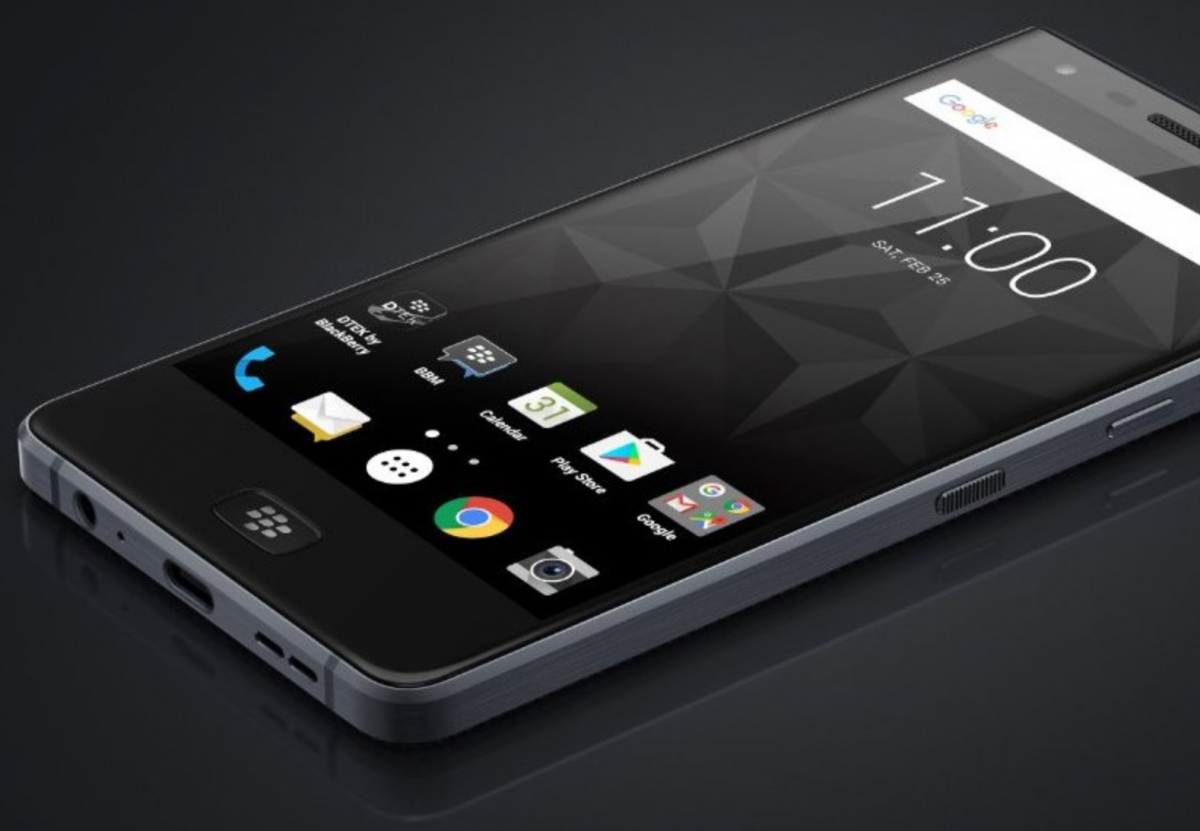
Despite the stumbles, TCL expanded the portfolio. The Motion (October 2017) tried a slab-style body, while the KEY2 (June 2018) trimmed the chassis, doubled the RAM and added a speed key for app shortcuts. A cheaper KEY2 LE followed, pitched at fleet buyers who still equated BlackBerry with IT department control. Together the four models sold an estimated 3.5 million units, according to IDC, a figure that barely registered against the 1.4 billion smartphones shipped globally during the same period.
“BlackBerry under TCL was never about volume,” said Francisco Jeronimo, IDC’s European mobile devices research director, on 4 February 2020. “It was about keeping a toehold in regulated industries that demand physical keyboards and a long security patch cycle.” That toehold, however, shrank each quarter. BlackBerry Mobile’s share of the enterprise market fell from 1.2 % in 2017 to 0.3 % at the end of 2019, Canalys data show, as even government buyers embraced touch-only iPhones and Galaxy devices.
TCL’s pivot and the shadow of state ties
With the licence expiring, TCL said it will redirect engineering teams to its own-brand phones, including the recently launched TCL 10 series that leans on the company’s display-panel vertical. The firm controls roughly 12 % of the global TV market and has long supplied screens to Samsung and Huawei, giving it supply-chain muscle that smaller Chinese handset makers lack. Yet TCL’s state connections, its parent is partly owned by the Shenzhen municipal government, have drawn scrutiny in Washington. A 2019 Pentagon audit flagged TCL as among Chinese manufacturers that “may be required to cooperate with Beijing’s intelligence services,” a charge the company denies.
BlackBerry Limited, meanwhile, has given no indication it will seek another hardware partner. CEO John Chen told investors on a 21 December 2019 earnings call that licensing income from handsets had “fallen below materiality,” suggesting the firm is content to harvest patent royalties rather than chase another revival. Industry analysts increasingly view the brand as a software shell whose real value lies in 38 000 mobile-security patents and the QNX automotive operating system now embedded in 150 million cars.
What remains after August
Existing BlackBerry Mobile devices will receive Android security updates “for a minimum of two years from launch,” TCL pledged in its Twitter statement, but no new inventory will enter channels after 31 August. Spare parts and repair service will continue “as long as supplies last,” leaving IT managers to weigh replacement timelines for the remaining fleet of KEY2 handsets still favoured by some law firms and police departments.
The exit also raises questions about TCL’s longer-term commitment to North American carriers. The company has already withdrawn the Palm revival it bankrolled in 2018, and without the BlackBerry name its smartphone shelf space at Verizon and AT&T could dwindle. “TCL’s brand equity in phones is thin outside Europe,” noted Avi Greengart, lead analyst at Techsponential, on 4 February. “Unless it spends heavily on marketing, the TCL badge risks becoming just another value line in a crowded Android bazaar.”
For BlackBerry loyalists, the clock is running out to buy a new keyboard phone backed by warranty. Secondary-market prices for factory-unlocked KEY2 units jumped 18 % on eBay within 24 hours of TCL’s statement, a final rally for a device whose fate was sealed by a market that has moved on from clicking keys to tapping glass.