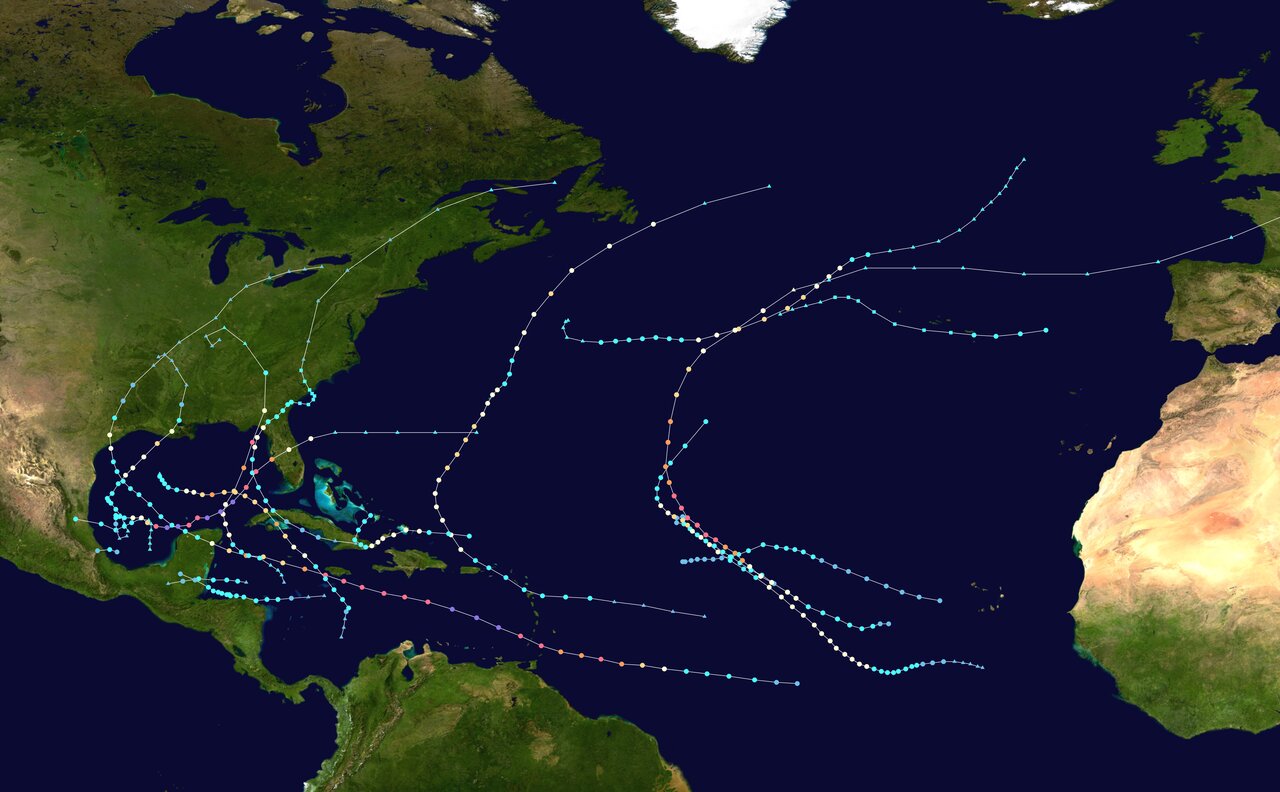
A powerful Category 3 hurricane, Rafael, is bearing down on the southern coast of Cuba, prompting mass evacuations as the island nation braces for life-threatening flash flooding and storm surges. As of today, November 6, 2024, the storm’s approach has set off a flurry of activity, with Cuban authorities scrambling to move people to safer areas and secure vital infrastructure. The hurricane’s projected path puts several major cities and towns at risk, with residents advised to stock up on food, water, and other essential supplies in preparation for the worst.
The threat posed by Hurricane Rafael is a stark reminder of the devastating impact that extreme weather events can have on communities and ecosystems. Cuba, with its rich biodiversity and fragile environment, is particularly vulnerable to the effects of hurricanes, which can cause widespread destruction and disrupt the delicate balance of the island’s ecosystems. As the storm makes landfall, concerns are growing about the potential for long-term damage to the environment, including the destruction of habitats and the loss of wildlife.
As the people of Cuba prepare to face the fury of Hurricane Rafael, the international community is watching with bated breath, aware of the potential for catastrophe. The storm’s Category 3 status means that it is capable of producing sustained winds of up to 129 miles per hour, with the potential for much higher gusts. This, combined with the predicted storm surges and flash flooding, makes for a potentially deadly combination. The Cuban government has activated its emergency response protocols, with rescue teams and medical personnel on standby to respond to any emergencies that may arise.
Renewable Energy and Disaster Resilience
As the world grapples with the challenges posed by extreme weather events like Hurricane Rafael, there is a growing recognition of the need for sustainable and resilient energy systems. Renewable energy sources, such as wind and solar power, offer a cleaner and more reliable alternative to fossil fuels, which can help to reduce the environmental impact of energy production and improve energy security. In the context of disaster response and recovery, renewable energy can play a critical role in providing power to affected communities, helping to support relief efforts and accelerate the recovery process.
The economic benefits of transitioning to renewable energy are also becoming increasingly clear, with the cost of solar and wind power continuing to fall. This trend is expected to continue, making renewable energy an increasingly viable option for countries looking to reduce their reliance on fossil fuels and improve their energy security. As the world looks to the future, it is clear that a clean and sustainable energy system will be essential for building resilient communities and protecting the environment. By investing in renewable energy and reducing our reliance on fossil fuels, we can help to create a more sustainable future, one that is better equipped to withstand the challenges posed by extreme weather events like Hurricane Rafael.
As Hurricane Rafael makes landfall, the people of Cuba are bracing themselves for the worst, knowing that the storm’s impact will be felt for weeks and months to come. The international community is watching with concern, aware of the potential for devastation and the need for a coordinated response to support the affected communities. As we look to the future, it is clear that our actions today will have a profound impact on the health of the planet and the well-being of future generations. By working together to build a more sustainable and resilient world, we can help to reduce the risk of disasters like Hurricane Rafael and create a cleaner, healthier planet for all.