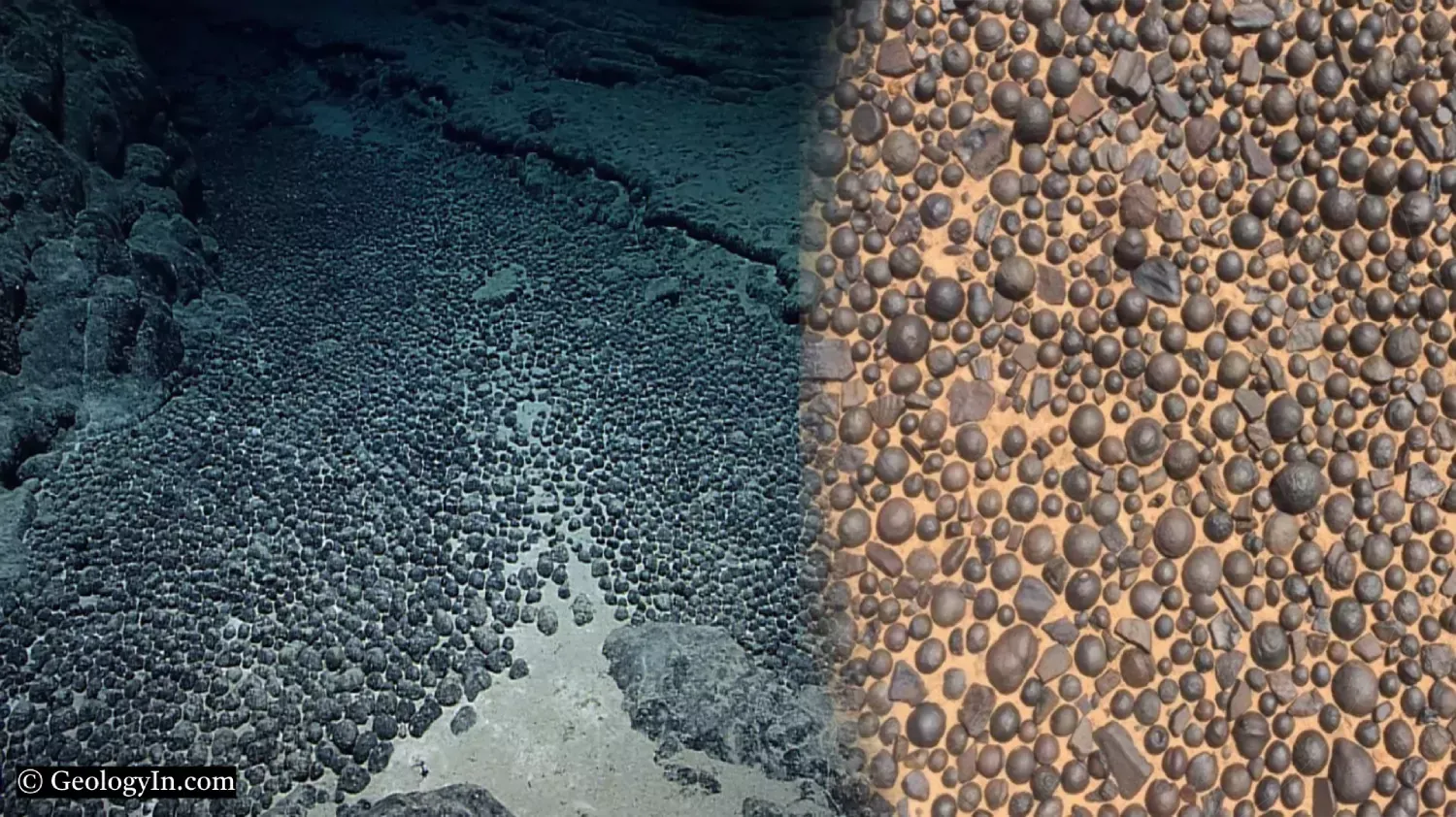
On July 15, 2024, the world’s oceans remained a largely untapped source of minerals, with deep sea mining emerging as a potential new frontier in the extraction of valuable resources. The deep sea, defined as the seabed at depths of 4–6 km, is home to a variety of mineral-rich ores, including polymetallic nodules, which are of significant commercial interest. These nodules, found primarily on the abyssal plain, contain minerals such as copper, nickel, cobalt, and manganese, making up roughly 30% of their weight.
The Clarion–Clipperton zone (CCZ), a region in the eastern Pacific Ocean, is one of the most promising areas for deep sea mining, with an estimated 21 billion metric tons of polymetallic nodules. This region, along with other areas of the global ocean floor, is believed to hold vast reserves of minerals, including over 120 million tons of cobalt, a amount that is five times the amount found in terrestrial reserves. The potential for deep sea mining to provide a new source of these critical minerals has sparked significant interest and investment in the industry.
However, as with any new mining operation, there are concerns about the potential environmental impacts of deep sea mining. Studies have shown that midwater mining techniques, which involve the use of plumes to extract minerals, can trigger bottom-up ecosystems impacts, with severe consequences to marine life, extending beyond the initial mining area. These concerns have led to calls for careful regulation and monitoring of deep sea mining operations to minimize their impact on the marine environment.
Regulation and Licensing
The International Seabed Authority (ISA) is responsible for regulating all mineral-related activities in international waters. As of July 2024, the ISA has granted 31 exploration licenses for deep sea mining, including 19 for polymetallic nodules, mostly in the CCZ, 7 for polymetallic sulphides in mid-ocean ridges, and 5 for cobalt-rich crusts in the Western Pacific Ocean. While these licenses have allowed companies to begin exploring the potential for deep sea mining, no commercial-scale operations have yet been approved.
Despite the lack of commercial-scale operations, there is a growing push for deep sea mining to become a reality. Proponents of the industry argue that it could provide a new source of critical minerals, helping to meet growing global demand. However, others are more cautious, citing the potential environmental risks and the need for careful regulation and monitoring. As the industry continues to evolve, it is likely that these debates will continue, with the ISA playing a key role in balancing the competing interests and ensuring that any deep sea mining operations are carried out in a responsible and sustainable manner.
Looking to the future, it is clear that deep sea mining will be an area to watch in the coming years. As companies continue to explore the potential for deep sea mining and regulators work to develop and implement effective regulations, the industry is likely to face significant challenges and opportunities. With the potential for deep sea mining to provide a new source of critical minerals, it is essential that the industry is developed in a responsible and sustainable manner, with careful consideration given to the potential environmental impacts and the need for effective regulation and monitoring. As the world continues to grapple with the challenges of meeting growing global demand for minerals, the development of deep sea mining will be an important area to watch, with significant implications for the future of the industry and the health of the world’s oceans.