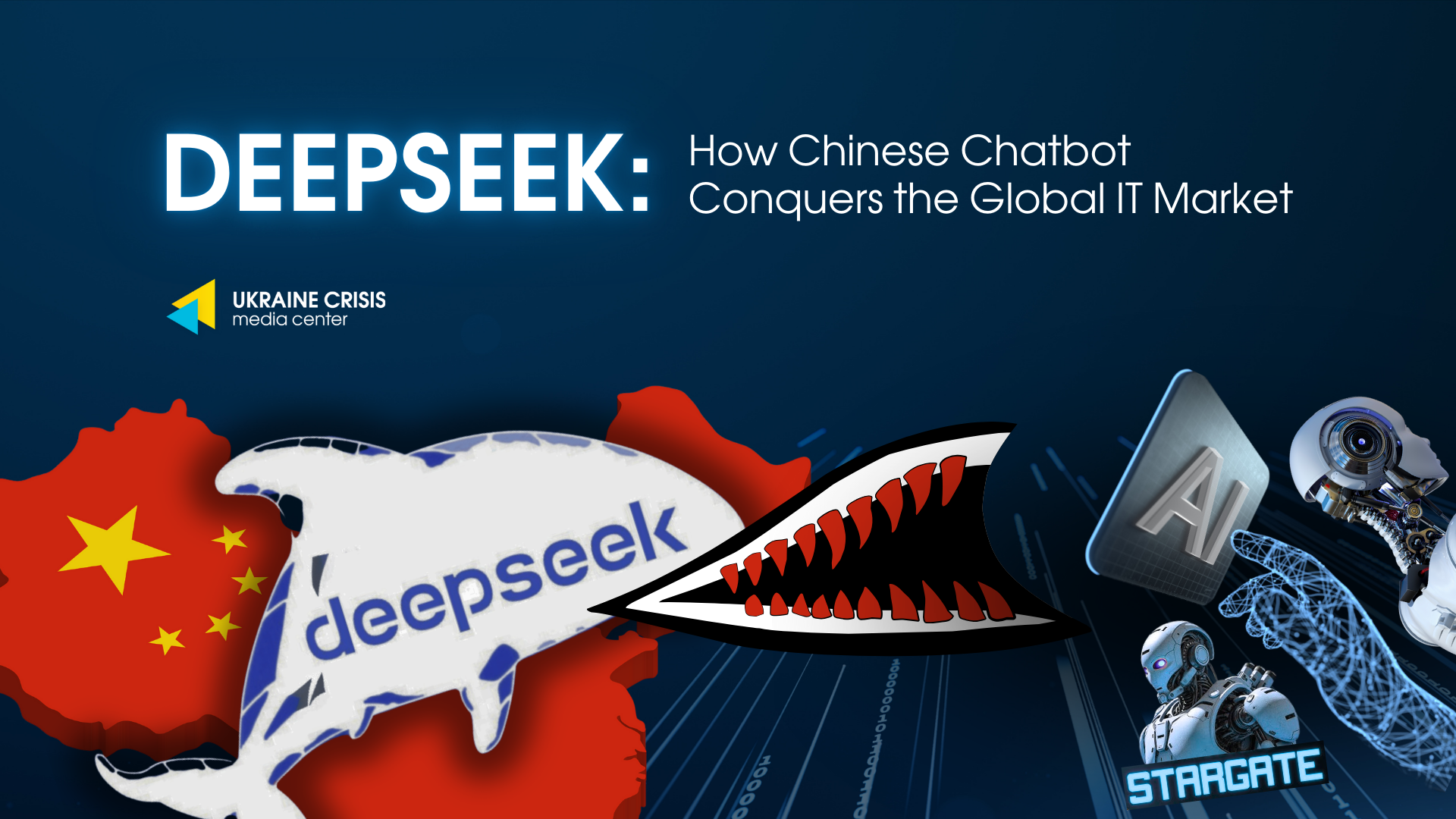
On January 20, 2025, the Chinese company DeepSeek released its generative artificial intelligence chatbot, DeepSeek, marking a significant development in the field of artificial intelligence. This release has sparked considerable interest and attention, with the chatbot’s rapid rise to prominence being closely watched by industry observers and the general public alike.
The initial response to DeepSeek has been notable, with the chatbot surpassing ChatGPT as the most downloaded freeware app on the iOS App Store in the United States by January 27. This achievement underscores the chatbot’s appeal and its potential to disrupt the existing landscape of artificial intelligence solutions. The success of DeepSeek against more established rivals has significant implications for the future of AI development and deployment.
DeepSeek’s impact on the AI landscape has been described as “upending AI” and initiating “a global AI space race.” This characterization highlights the chatbot’s potential to drive innovation and competition in the field, as companies and researchers strive to develop and improve their own AI solutions. The release of DeepSeek serves as a catalyst for further advancements in AI, pushing the boundaries of what is possible with this technology.
However, the success of DeepSeek also raises important questions about privacy and information control. The chatbot’s compliance with Chinese government censorship policies has prompted concerns about the potential for censorship and information manipulation. Additionally, the data collection practices of DeepSeek have raised red flags, with regulatory bodies in multiple countries taking notice and initiating scrutiny of the chatbot’s operations. These concerns underscore the need for careful consideration and oversight of AI solutions, ensuring that they are developed and deployed in a responsible and transparent manner.
Despite these concerns, DeepSeek has also been praised for its open weights and infrastructure code, as well as its energy efficiency. These features contribute to the chatbot’s appeal and potential for further development, as they enable researchers and developers to build upon and improve the existing technology. Furthermore, DeepSeek’s contributions to open-source artificial intelligence have been recognized, highlighting the chatbot’s potential to drive collaborative innovation and progress in the field.
As the situation continues to unfold, it will be important to watch how DeepSeek navigates the complex landscape of regulatory scrutiny and public concern. The chatbot’s ability to balance its compliance with censorship policies with the need for transparency and accountability will be closely watched. Additionally, the response of other companies and researchers to DeepSeek’s release will be telling, as they seek to develop and deploy their own AI solutions in a rapidly evolving environment. As the world continues to grapple with the implications of emerging AI technologies, the story of DeepSeek serves as a significant and thought-provoking development, one that will likely have far-reaching consequences for the future of artificial intelligence.
Looking ahead, it will be essential to monitor the ongoing development and deployment of DeepSeek, as well as the responses of regulatory bodies, industry leaders, and the general public. As the AI landscape continues to shift and evolve, the need for informed and nuanced discussion of the benefits and challenges of these technologies will only continue to grow. By staying informed and engaged, we can work towards a future where AI solutions like DeepSeek are developed and deployed in a responsible and beneficial manner, driving progress and innovation while minimizing risks and negative consequences.