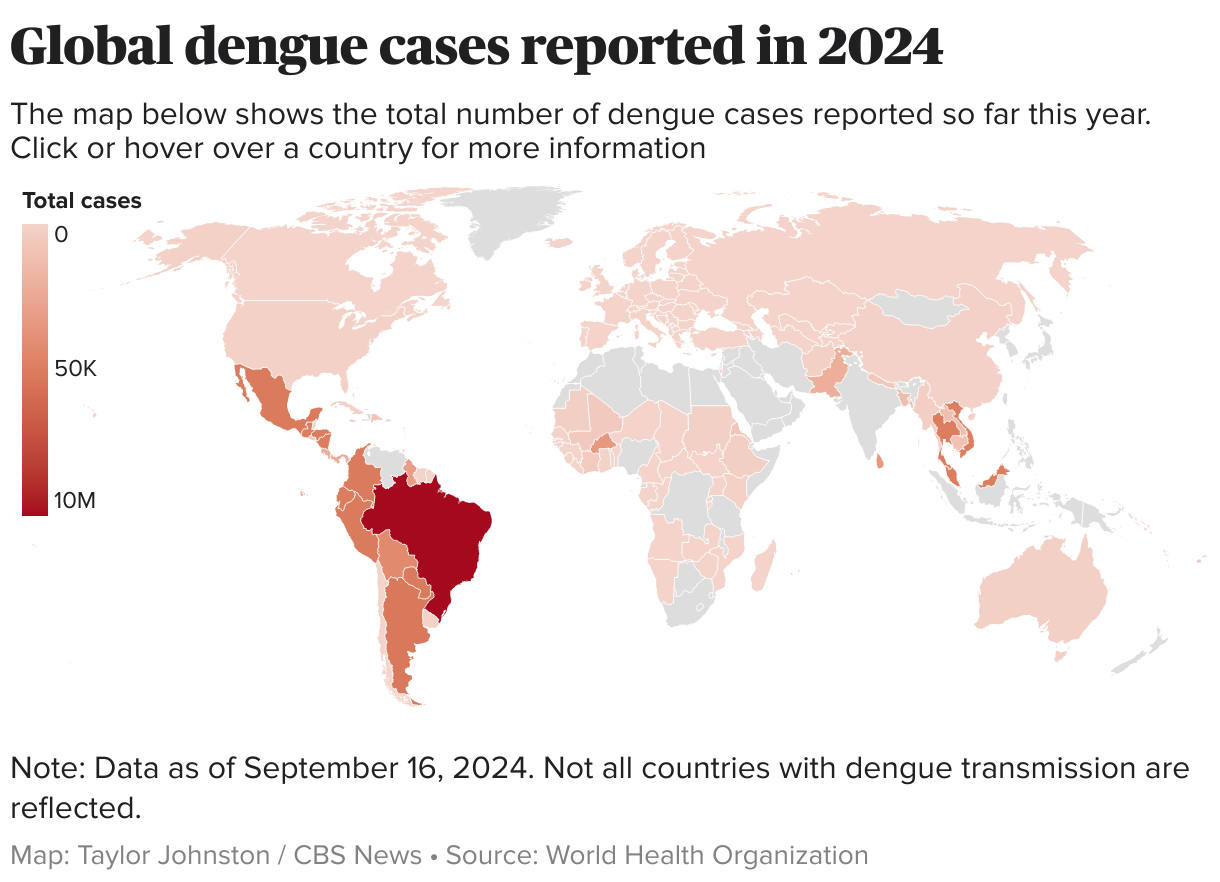
The 2024 dengue outbreak in Latin America and the Caribbean has reached unprecedented levels, with the number of reported infections surpassing historical records in several nations. As of January 9, 2024, the combined total of suspected cases exceeded 13 million, resulting in over 8,186 deaths. This significant surge in cases has raised concerns about the severity of the outbreak and its impact on the affected regions.
The outbreak has affected numerous countries across South America, Central America, and North America. In South America, countries such as Brazil, Argentina, Paraguay, Uruguay, Peru, Ecuador, and Colombia have reported a significant number of cases. Similarly, in Central America, countries including Honduras, Nicaragua, Belize, Panama, El Salvador, Costa Rica, and Guatemala have been impacted. Mexico, in North America, has also reported cases of dengue fever.
A closer examination of the data reveals a substantial increase in the number of suspected cases compared to previous years. By epidemiological week (EW) 19, which fell on May 31, 2024, the total number of suspected cases had reached 8,140,210. This represents a 226% increase compared to the same period in 2023. Furthermore, when compared to the annual average number of cases over the last five years, the increase is a staggering 416%. This significant rise in cases underscores the severity of the current outbreak and highlights the need for continued vigilance and proactive measures to combat the spread of the disease.
In addition to the high number of suspected cases, there has also been a notable increase in severe cases. As of May 31, 2024, over 7,983 severe cases had been reported, emphasizing the need for prompt and effective medical attention to prevent further complications and reduce the risk of fatalities. The affected countries are likely to continue implementing measures to control the spread of the disease, including public awareness campaigns, vector control programs, and enhanced medical services.
The ongoing dengue outbreak in Latin America and the Caribbean serves as a reminder of the importance of sustained efforts to prevent and control the spread of infectious diseases. The significant increase in cases and fatalities highlights the need for continued investment in public health infrastructure, including disease surveillance, vector control, and medical services. As the outbreak continues to evolve, it is essential to monitor the situation closely and respond promptly to any changes in the epidemiological landscape.
Looking Ahead
As the situation continues to unfold, it is crucial to watch for updates on the number of suspected cases, severe cases, and fatalities. The affected countries are likely to provide regular updates on the outbreak, and international health organizations may offer guidance and support to help combat the spread of the disease. In the coming weeks and months, it will be essential to monitor the effectiveness of the measures implemented to control the outbreak and to be prepared for any potential changes in the situation. By staying informed and working together, it may be possible to mitigate the impact of the outbreak and reduce the risk of further spread.