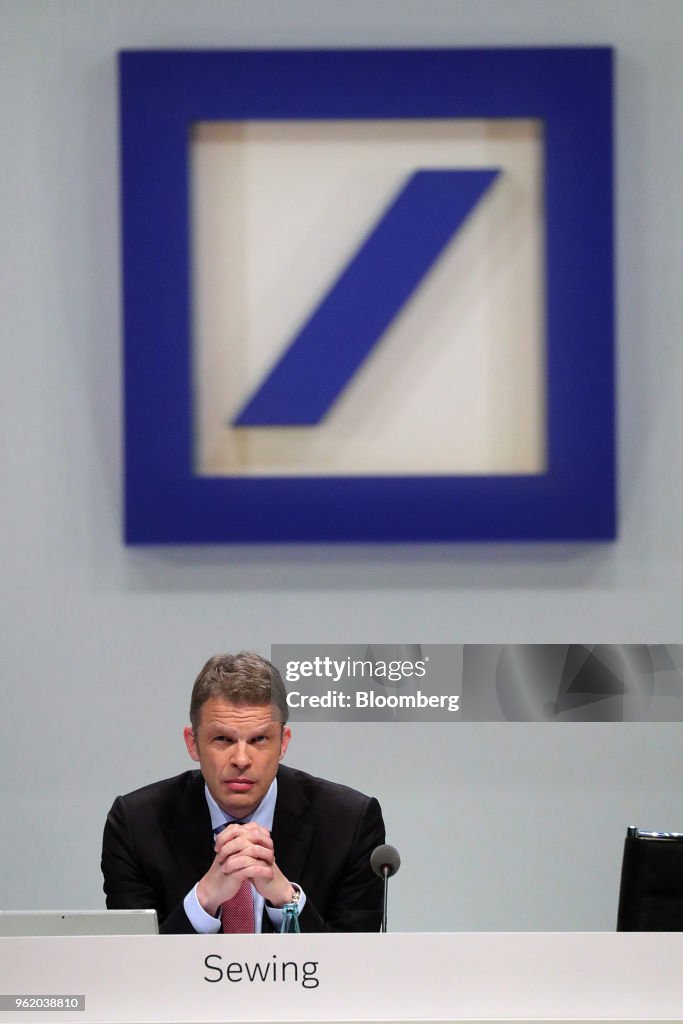
On August 22, 2019, Deutsche Bank CEO Christian Sewing announced a strategic shift away from investment banking toward corporate banking, aiming to restore the lender’s reputation after years of scandals and declining market share. The bank is targeting mid-sized German companies, known as Mittelstand, and seeking new clients beyond traditional blue-chip firms, following a failed attempt to attract online retailer Zalando by offering free cash holdings.
Rebuilding after investment banking retreat
Deutsche Bank spent two decades trying to become a major player on Wall Street. That strategy backfired. The bank now faces stiff competition from foreign and domestic rivals in its home market. Sewing admitted the bank has shrunk its domestic presence but vowed to make it the leading institution for German corporate executives.
“For now, it must build better relationship with the Mittelstand companies which are the foundation of the country’s economy,” Sewing said in a statement to the press. The bank slipped from fifth to sixth place in bank transactions for German business firms, according to Dealogic, a financial markets platform that analyzes financial firms.
The Zalando rejection
Deutsche Bank attempted to attract Online retailer Zalando by holding its cash for free instead of charging a fee. Zalando declined. The company, which grew to a 5-billion-euro conglomerate in just 11 years, wanted to keep its cash in a variety of financial institutions even if it meant paying fees.
This rejection highlights the challenge Deutsche Bank faces. Corporate banking requires winning over clients who have many options. The bank cannot simply offer lower fees. It must demonstrate reliability and service quality.
Merger plans and expansion
Deutsche Bank is considering merging all its banking operations into one large division. The focus would be on mid-size companies known as Mittelstand, as well as blue-chip corporations. The bank also plans to expand into eastern Europe and Southeast Asia.
Sewing expects the corporate banking business, which currently generates 5 billion euros in annual revenues, to increase to 6 billion euros by 2022. This growth would come from doing business with Germany’s 30 corporations in the DAX stock market index.
Regulatory confidence
Bank regulators believe Deutsche Bank is on its way to recovery. This follows news that the bank would have to pay a multi-billion penalty to the United States for its involvement in the US mortgage crisis. The regulatory view provides some reassurance to investors and clients.
“Deutsche Bank is trying to rebuild its banking reputation by removing itself from investment banking and revamping its corporate division,” a bank spokesperson said. The goal is to improve present business relationships and take in new customers beyond the traditional blue-chip clientele.
Long road ahead
Despite the strategic shift, Deutsche Bank still faces significant challenges. It must bring back the confidence of clients and investors alike. The bank’s reputation suffered from years of legal troubles and financial losses. Rebuilding trust takes time.
The Mittelstand companies are the foundation of Germany’s economy. They are also courted by many other banks. Deutsche Bank must prove it can serve them better than competitors. This requires not just lower fees but also reliable service, local expertise, and global reach.
The bank’s plan to expand into eastern Europe and Southeast Asia adds another layer of complexity. These markets offer growth opportunities but also require significant investment and local knowledge. Deutsche Bank must balance its domestic focus with international ambitions.
Sewing’s strategy represents a fundamental shift for Deutsche Bank. The bank is moving away from the high-risk, high-reward world of investment banking toward the steadier but more competitive corporate banking sector. Success depends on execution, not just strategy.
The next few years will determine whether Deutsche Bank can regain its position as Germany’s leading financial institution. The bank has a clear plan. It also has a long way to go. The outcome will shape not just the bank’s future but also the broader German economy.