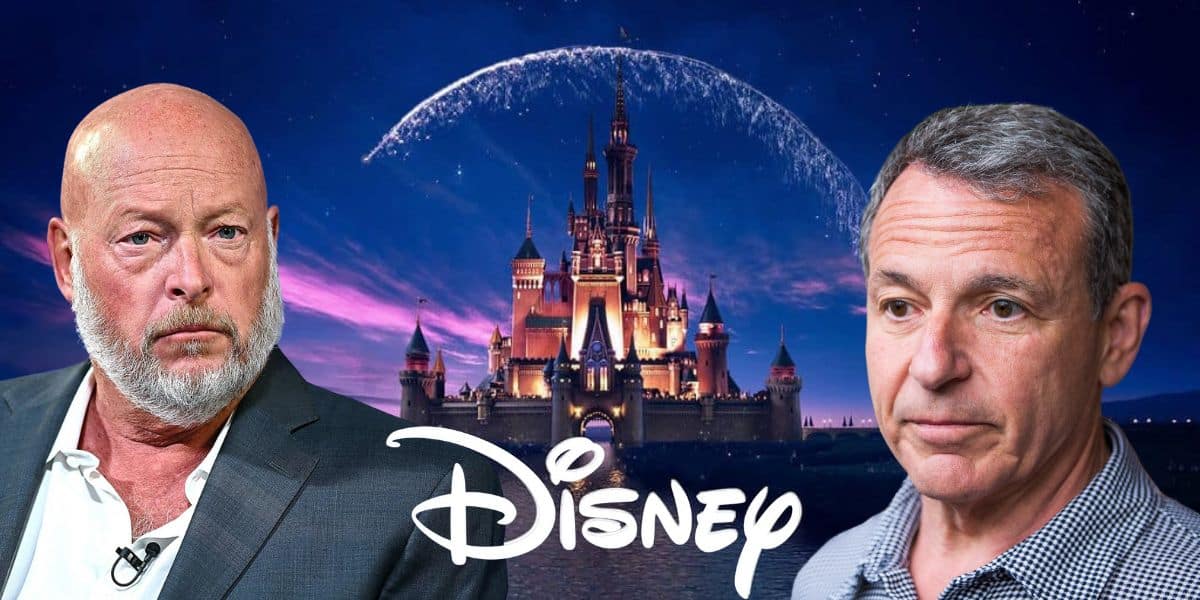
Market Reaction to Leadership Change at The Walt Disney Company
The Walt Disney Company experienced an immediate decline in its stock value following a significant announcement regarding its executive leadership structure. On February 27, 2020, prior to the opening of markets on Wednesday, shares of the entertainment giant dropped by 2.1 percent. This financial movement occurred after Bob Iger stepped down from his role as chief executive officer and handed over the reins to Bob Chapek. The market reaction was driven by investor uncertainty regarding whether the new leader possessed the necessary background to manage a global media and entertainment conglomerate of this magnitude. While the transition marked the end of a long period of internal speculation, the sudden shift in command raised questions about strategic continuity and the ability to sustain growth in a competitive landscape.
Concerns Regarding Executive Background and Experience
A primary driver for the negative market sentiment was the specific professional history of the incoming chief executive. Bob Chapek had previously led the Parks, Experiences and Products division before ascending to the top job. Critics and analysts pointed out that his career within Disney focused heavily on distribution logistics, theme park operations, retail strategies, and consumer product development. This background stood in contrast to the deep content creation experience held by his predecessor, Bob Iger. The core value proposition of the company relies heavily on storytelling, a domain where Chapek had minimal direct involvement during his tenure at Disney. Laura Martin, an analyst at Needham, highlighted this gap in her assessment of the new leadership. She noted that while Chapek understood the business operations, he lacked the extensive content experience required to steer the creative divisions effectively. The concern was that a leader focused on physical parks and distribution might struggle to navigate the complex narrative strategies needed to maintain Disney’s cultural relevance.
Divergent Views From Wall Street and Financial Analysts
Despite the initial drop in share price, financial markets did not present a unanimous negative verdict. Some sectors of Wall Street maintained a positive outlook regarding the company’s transition, viewing the appointment as a resolution to years of uncertainty. The sudden confirmation of Chapek as CEO finally concluded a prolonged period where investors speculated about who would succeed Iger after his successful acquisitions of major entertainment assets like 21st Century Fox and Marvel Studios. However, other financial institutions expressed more cautious predictions. Cowen analysts specifically outlined the hurdles awaiting the new administration. They stated that Chapek needed to prepare for immediate challenges that extended beyond simple operational management. The firm emphasized that the leadership team would need to build upon the early momentum of their streaming initiatives while simultaneously developing a sustainable path to profitability for other properties within the portfolio. This divergence in opinion reflected the complex nature of managing a diversified empire where different business units require distinct skill sets.
Strategic Priorities Including Streaming and Hulu Profitability
The new leadership team faced specific strategic mandates that were already underway when Chapek took office. One of the most significant developments was the launch of Disney+, a streaming service that had recently debuted to widespread public attention. Reports indicated that the platform had attracted nearly 30 million customers in its initial months, signaling strong consumer interest in direct-to-consumer digital content. However, sustaining this growth required careful financial management and strategic expansion. Analysts suggested that the new CEO would have to balance the high costs of acquiring and producing original content with the need to generate revenue quickly. A critical component of this strategy involved Hulu, another major streaming asset owned by Disney. The company needed a clear plan to turn Hulu into a profitable venture rather than just a cost center. This dual focus on expanding subscriber bases for new platforms while fixing the financial structure of existing ones created a complex operational environment for the incoming executive team.
Conclusion
The transition of power at The Walt Disney Company represented a important moment for one of the world’s largest media corporations. The initial market reaction highlighted the weight of investor expectations placed upon the chief executive officer and the importance of leadership experience in content-driven industries. While the departure of Bob Iger ended a long era of speculation, the appointment of Bob Chapek introduced new variables into the company’s strategic equation. Financial performance would ultimately depend on how well the new administration could address the specific challenges identified by analysts, including the profitability of Hulu and the scalability of Disney+. As the company moved forward, the focus remained on delivering value to shareholders while maintaining its status as a leader in global entertainment. The coming months would reveal whether the concerns regarding experience were valid or if Chapek could successfully understanding the role.