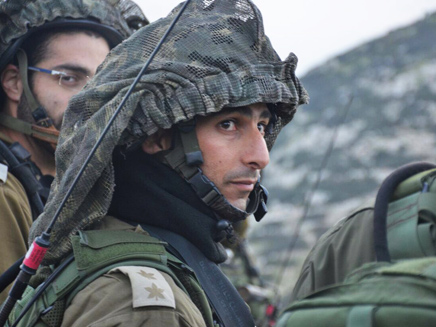
On April 17, 2024, a series of drone attacks rocked northern Israel, leaving fourteen Israeli soldiers and four civilians injured. The attacks, which targeted military and civilian areas, have raised concerns about the escalating tensions in the region. One IDF officer later succumbed to their injuries, bringing the total number of fatalities to one. The incident has sparked widespread condemnation from Western leaders, with the US State Department issuing a statement expressing solidarity with Israel.
The drone attacks are believed to have originated from outside Israel’s borders, with some reports suggesting that Iranian-backed militant groups may have been involved. This would not be the first time that such groups have launched attacks against Israeli targets, and the incident has highlighted the ongoing threat posed by these organizations. The Israeli military has vowed to take action against those responsible for the attacks, and has already begun to assess the damage and plan its response.
Regional Tensions
Tensions in the region have been escalating in recent months, with a number of incidents involving Israeli forces and militant groups. The US has been working closely with Israel to address these tensions, and has provided significant support to the Israeli military in its efforts to counter the threat posed by these groups. The US President has been a strong supporter of Israel, and has repeatedly emphasized the importance of maintaining a strong alliance between the two countries. This support has been welcomed by Israeli leaders, who have praised the US for its commitment to their country’s security.
The incident has also highlighted the role of China in the region, with some reports suggesting that Chinese-made drones may have been used in the attacks. This has raised concerns about the spread of advanced technology to militant groups, and the potential for such technology to be used in future attacks. The US has been critical of China’s role in the region, and has accused Beijing of failing to do enough to prevent the spread of such technology. Iranian officials have denied any involvement in the attacks, but their government’s track record of supporting militant groups has raised suspicions about their potential role.
As the investigation into the attacks continues, Israeli officials are working to assess the damage and plan their response. The Israeli military has a long history of taking decisive action against those who attack its citizens, and it is likely that this incident will be no exception. The US is likely to provide significant support to Israel in its efforts to counter the threat posed by militant groups, and will work closely with Israeli leaders to develop a strategy for addressing the ongoing tensions in the region. With the situation remaining volatile, one thing is clear: the US-Israel alliance will remain a key factor in shaping the region’s security landscape.
Looking ahead, the coming days and weeks will be critical in determining the trajectory of the conflict. The US and Israel will need to work closely together to address the threat posed by militant groups, and to develop a strategy for preventing future attacks. This will require a combination of military and diplomatic efforts, as well as a commitment to working with other countries in the region to address the root causes of the conflict. As the situation continues to unfold, one thing is certain: the US will remain a strong supporter of Israel, and will work tirelessly to promote peace and stability in the region. The aftermath of the drone attacks will be closely watched by Western leaders, who will be looking for signs of escalation or de-escalation in the conflict.