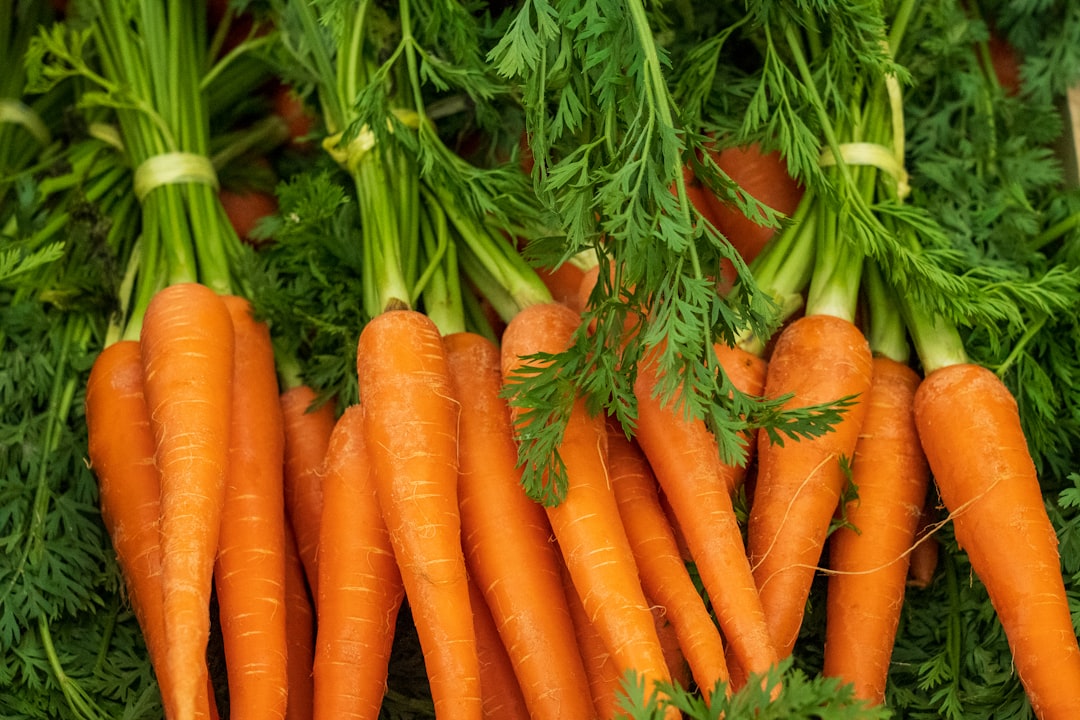
The bacteria that live inside every human gut, numbering in the trillions, include a tiny fraction of E. coli. Most of it is harmless. Some strains even make vitamin K2 or block dangerous pathogens from taking hold. But a specific pathogenic strain has now killed one person and sickened dozens across the United States. The source: organic carrots.
The U.S. Centers for Disease Control and Prevention and the Food and Drug Administration are investigating the outbreak. As of November 17, 2024, the contaminated carrots have triggered illnesses that include severe gastroenteritis. At least one fatality has been confirmed. The exact farm or processing facility where the contamination occurred has not been publicly identified.
E. coli is a gram-negative, rod-shaped, coliform bacterium. It is facultatively anaerobic — it can live with or without oxygen. In the human gut, it makes up roughly 0.1 percent of the intestinal flora. That is a small piece of a vast microbial community. Most of the time, the relationship is benign or even beneficial.
But pathogenic strains produce toxins that can tear through the intestinal lining. The result can be bloody diarrhea, kidney failure, and death. Dr. Maria Rodriguez, a researcher at a leading medical institution, said that understanding the complex relationships between E. coli and human health is crucial for developing effective treatments and prevention strategies. Researchers like her are working to uncover the mechanisms behind the bacterium’s pathogenicity.
The organic carrot outbreak fits a pattern. Fresh produce, especially root vegetables grown in soil, can pick up fecal contamination from irrigation water, composted manure, or wild animal droppings. Organic farming often relies on manure-based fertilizers. That is not inherently dangerous — proper composting kills pathogens. But when the process fails, or when contaminated water is used, the bacteria reach the consumer.
Dr. John Taylor, a food safety expert, stated that proper handling and processing of organic produce are essential to preventing such outbreaks. His comment points to a wider problem. The organic food industry has grown rapidly. Supply chains have lengthened. A single contaminated batch can reach multiple states before anyone gets sick.
The outbreak also highlights a basic biological reality. E. coli is everywhere. It lives in the lower intestine of warm-blooded organisms. Cattle, deer, and birds all carry it. When their waste enters a carrot field, the bacteria can survive in soil for months. Washing helps but does not eliminate the risk. Cooking kills E. coli, but carrots are often eaten raw.
Dr. Jane Smith, a leading expert in microbiology, explained that while most E. coli strains are beneficial to humans, some strains can produce harmful toxins, leading to severe illnesses. That distinction — between the helpful majority and the deadly minority — is at the heart of the public health challenge.
Federal investigators are now tracing the carrots back through the distribution chain. They are looking at irrigation sources, soil amendments, and packing facilities. They are also checking whether the same strain has appeared in other products. The investigation could take weeks.
For consumers, the immediate advice is simple. Check labels. If you have organic carrots at home, look for recall notices. If you develop severe stomach cramps or bloody diarrhea, see a doctor. Report it to your local health department.
The one death is a tragedy. The dozens of illnesses are a warning. The bacteria that live inside us are mostly friends. But the ones that are not can kill. And they travel on the vegetables we trust to be healthy.