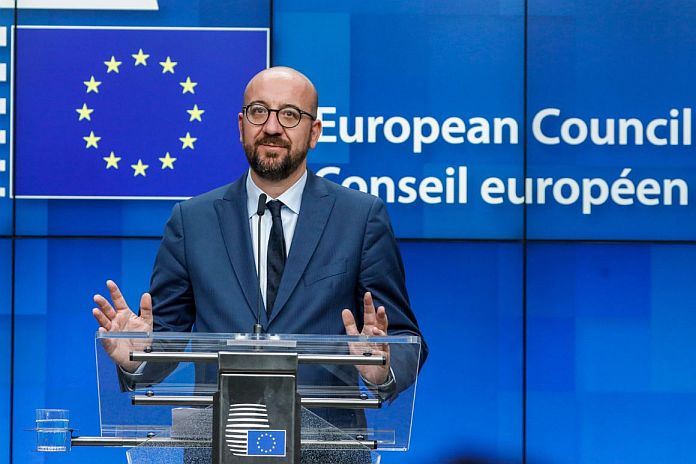
Experts analyzing the latest developments in the European Union’s response to the war in Ukraine note that the newly agreed-upon sanctions package represents a significant escalation of pressure on Russia. According to specialists, the EU’s decision to impose additional sanctions is a technical implementation of its commitment to increase pressure on Russia, as evidenced by the statements of EU leaders. The Czech Republic, which holds the rotating presidency of the EU Council, confirmed that the package would be complete by the written procedure on Friday, following days of discussion among the ambassadors of the 27-nation bloc in Brussels.
The sanctions package, although not publicly disclosed, is expected to include travel bans and asset freezes on over 200 additional Russian officials and military officers, as proposed by the European Commission last week. The targets of these sanctions include ministers, parliamentarians, regional governors, and political parties. Furthermore, the EU Commission has sought to impose export controls and bans on goods such as chemicals, nerve agents, electronics, and IT components, as well as targeting more Russian banks and the country’s defense industry. French President Emmanuel Macron emphasized that these sanctions are effective and should be accompanied by financial, military, and humanitarian aid to Ukraine.
Key Components of the Sanctions Package
The European Commission’s proposal includes a range of measures aimed at restricting Russia’s ability to manufacture and replenish its arsenal. Ursula von der Leyen, president of the EU Commission, suggested banning the direct shipments of drone engines to Russia and the export to any third nations, such as Iran, which could supply drones to Russia. Additionally, the European Commission advised EU states to take measures against Russia’s mining and energy industries, including imposing a restriction on new mining investments and taking steps to decommission more Russian TV stations in Europe. German Chancellor Olaf Scholz stated that the EU is increasing pressure on the Russian leadership, including sanctions against a number of organizations, banks, and people, including Putin and his family.
The EU’s earlier agreement to impose an embargo on the imports of coal and seaborne oil, in close coordination with Western allies, demonstrates the bloc’s commitment to a comprehensive approach to sanctions. The latest package is expected to further restrict Russia’s access to key technologies and resources, thereby limiting its ability to sustain its military efforts in Ukraine. As the situation continues to evolve, experts will be closely monitoring the implementation and impact of these sanctions, as well as the potential responses from Russia and other affected parties.
Looking Ahead
As the EU’s sanctions package is set to be finalized and implemented, attention will turn to the potential effects on Russia’s economy and military capabilities. The effectiveness of these sanctions in achieving their intended goals, including increasing pressure on the Russian leadership and supporting Ukraine, will be closely watched by experts and policymakers. Furthermore, the potential for additional sanctions or measures from the EU and its allies will depend on the ongoing developments in the conflict and the responses of the parties involved. In the coming days and weeks, it will be essential to monitor the situation closely, as the EU’s sanctions package is likely to have significant implications for the trajectory of the conflict in Ukraine and the broader geopolitical landscape.
Looking ahead, key areas to watch include the implementation and enforcement of the sanctions package, the responses of Russia and other affected parties, and the potential for additional measures or developments in the conflict. As the situation continues to unfold, experts and policymakers will be closely monitoring the situation, and the EU’s approach to sanctions will likely remain a critical component of its response to the war in Ukraine. The effectiveness of these sanctions in achieving their intended goals will be a key factor in determining the next steps for the EU and its allies, and the potential for a resolution to the conflict will depend on a range of factors, including the responses of the parties involved and the ongoing developments on the ground.