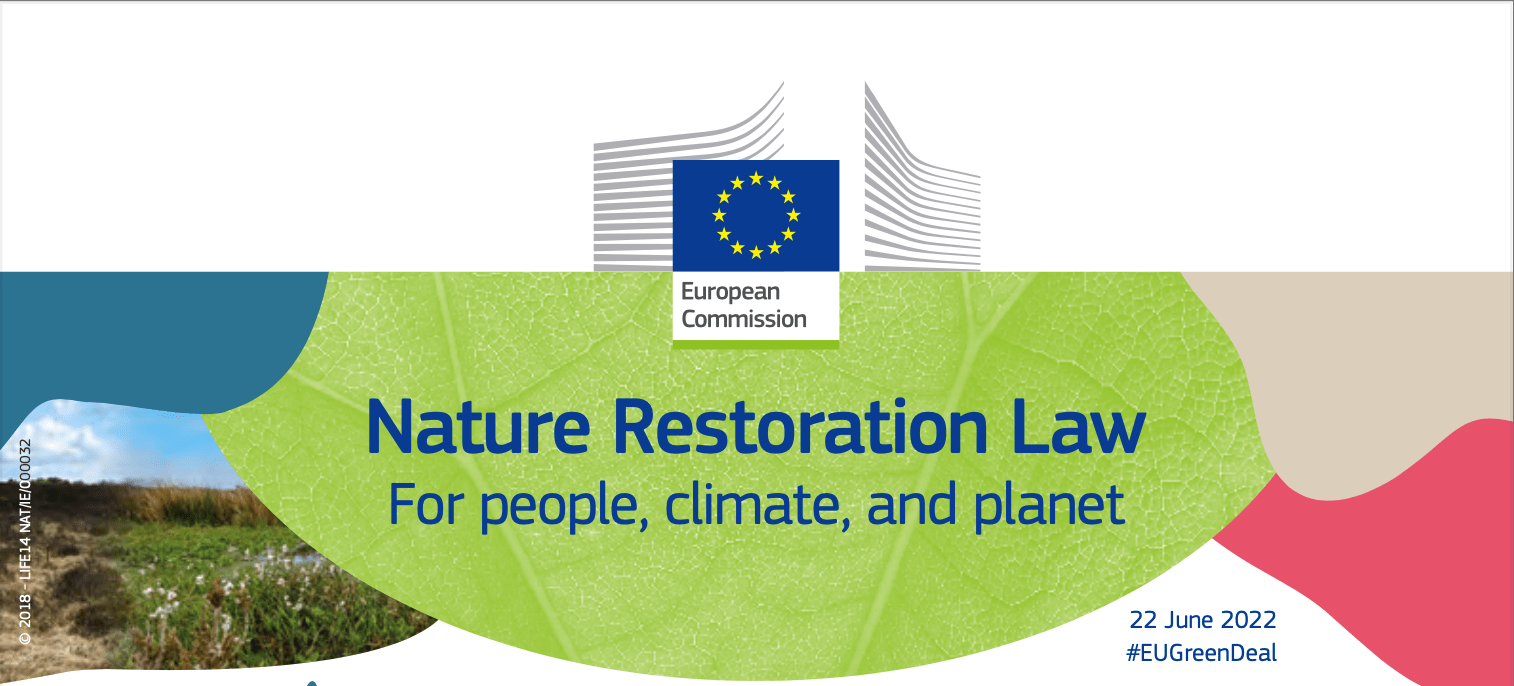
The European Commission has proposed a new regulation aimed at protecting and restoring the European Union’s natural environments. The proposed Nature Restoration Law, put forward on June 22, 2022, is a key component of the European Green Deal and the EU Biodiversity Strategy, and is intended to address the decline of Europe’s natural habitats. With more than 80% of habitats in poor condition, the need for restoration is pressing, and the proposed law sets out ambitious targets for the recovery of damaged ecosystems.
The proposed law is designed to achieve a number of key goals, including the protection of ecosystem services, climate change mitigation, and the prevention of natural disasters. By restoring damaged ecosystems, the EU hopes to reduce the risks to food security and promote resilience and autonomy. The law will require EU member states to develop national restoration plans, which will outline their strategies for restoring habitats in poor condition. These plans will be crucial in ensuring that the targets set out in the law are met, and that the EU’s natural environments are protected for future generations.
One of the key features of the proposed law is its focus on renaturation, or the process of restoring natural habitats to a good ecological state. This will involve a range of activities, including the restoration of wetlands, forests, and other ecosystems. The law sets out a clear timeline for the restoration of habitats, with targets of at least 30% of habitats in poor condition to be restored by 2030, 60% by 2040, and 90% by 2050. These targets are ambitious, but they are seen as essential if the EU is to meet its commitments to protect and restore its natural environments.
The proposed Nature Restoration Law is a response to the declining state of Europe’s natural environments. With many habitats in poor condition, the EU is facing significant challenges in terms of biodiversity loss, climate change, and food security. The law is designed to address these challenges, and to promote a more sustainable and resilient environment. By restoring damaged ecosystems, the EU hopes to reduce the risks associated with natural disasters, and to promote a more stable and secure food supply.
The European Commission’s proposal for a Nature Restoration Law is an important step towards protecting and restoring the EU’s natural environments. The law has the potential to make a significant impact, and to promote a more sustainable and resilient environment. As the proposal moves forward, it will be important to watch how EU member states respond, and how they develop their national restoration plans. The success of the law will depend on the ability of member states to work together, and to develop effective strategies for restoring damaged ecosystems.
Looking ahead, the next steps for the proposed Nature Restoration Law will be crucial. The European Commission will need to work closely with EU member states to ensure that the law is implemented effectively, and that the targets set out in the law are met. This will require a significant amount of coordination and cooperation, but the potential rewards are significant. As the EU continues to grapple with the challenges of biodiversity loss, climate change, and food security, the proposed Nature Restoration Law has the potential to make a major contribution to a more sustainable and resilient environment. As the situation develops, it will be important to watch how the law is implemented, and what impact it has on the EU’s natural environments.