The FBI’s latest UAP document release comes with a single image, a brief summary, and a gaping absence of context. There is no mission report. No date. No location. The operator who captured the image told the government they could not identify what they were seeing.
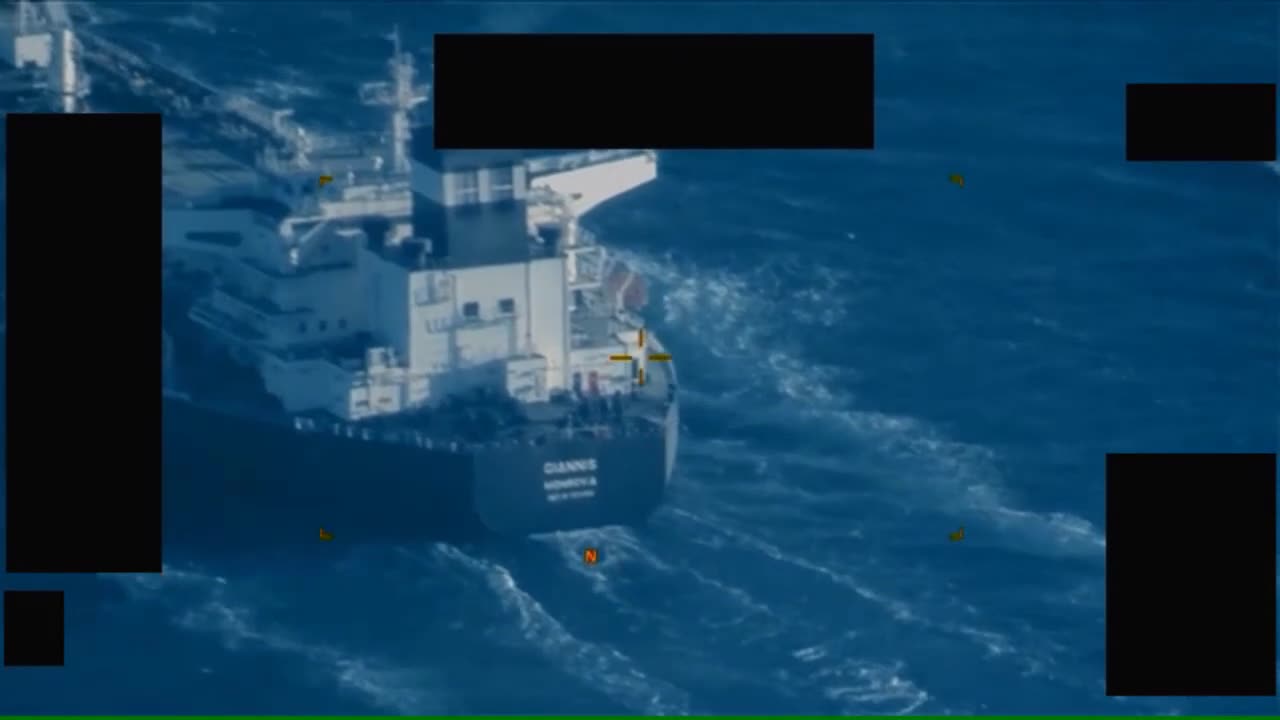
The record, titled “FBI Photo A3,” sits in the U.S. Department of War’s PURSUE archive. It shows a dark, circular object dead center in a crosshair reticle. The background is mottled and textured — possibly ground terrain. That is almost everything the official summary says.
What the summary does not say may matter more.
No one knows when or where the image was taken. The original footage was altered with redactions before it reached the All-domain Anomaly Resolution Office, or AARO. The FBI document does not explain what was redacted or why. The operator’s inability to identify the UAP is the only human judgment attached to the file.
The release is part of a larger push that began May 8, 2026, under the Trump administration. Wikipedia’s entry on the United States UFO files describes these as “repeated, ongoing, expanding releases.” The PURSUE archive is the vehicle. FBI Photo A3 is the latest piece of freight.
That freight is thin. The image itself is a still frame from a government system. The object is dark and circular. It sits inside a crosshair. The textured background could be ground, but that is speculation — the document does not confirm it. The summary offers no technical analysis, no sensor data, no chain of custody for the original footage.
This pattern is familiar to anyone who has followed the UAP disclosure process. A document appears. It contains a fragment of something — a photo, a radar trace, a memo. The fragment is real. The surrounding story is missing. The public gets the image but not the context that would let them interpret it.
The FBI Photo A3 release fits that mold exactly. The image exists. The redactions exist. The lack of a mission report exists. The operator’s inability to identify the object exists. What does not exist is any explanation of how the image was obtained, what system captured it, or why the government considers it worth releasing now.
The PURSUE archive is supposed to change that. It was announced as a series of expanding disclosures. But each release so far has carried the same structure: a document, a gap, a question. FBI Photo A3 is no different.
There is no quote from an FBI spokesperson in the record. No quote from AARO. No quote from the operator. The only voice in the document is the summary itself, and it says very little.
What the summary does say is that the object was “unidentified” and “anomalous.” That is the standard language. It is also the only language the public gets.
The image itself is stark. A black circle in a crosshair. A textured ground that could be anywhere. The redactions that hide whatever else the original frame contained. It is a photograph that raises more questions than it answers — and that, based on the record of these releases, may be the point.
FBI Photo A3 is now part of the public record. The image is out. The questions remain.