Four people were killed and several others injured Friday when a massive firecracker explosion ripped through a residential area in Kalyani, West Bengal, India. The blast, which occurred in the afternoon, sent a plume of smoke visible across the city and shattered windows in nearby buildings, according to local police officials.
The victims, all residents of the densely populated neighborhood, were identified as two men and two women. Emergency services rushed the injured to Kalyani’s district hospital, where officials said three people remain in critical condition with severe burns. The explosion leveled two adjoining homes and damaged at least a dozen others, leaving debris scattered across several streets.
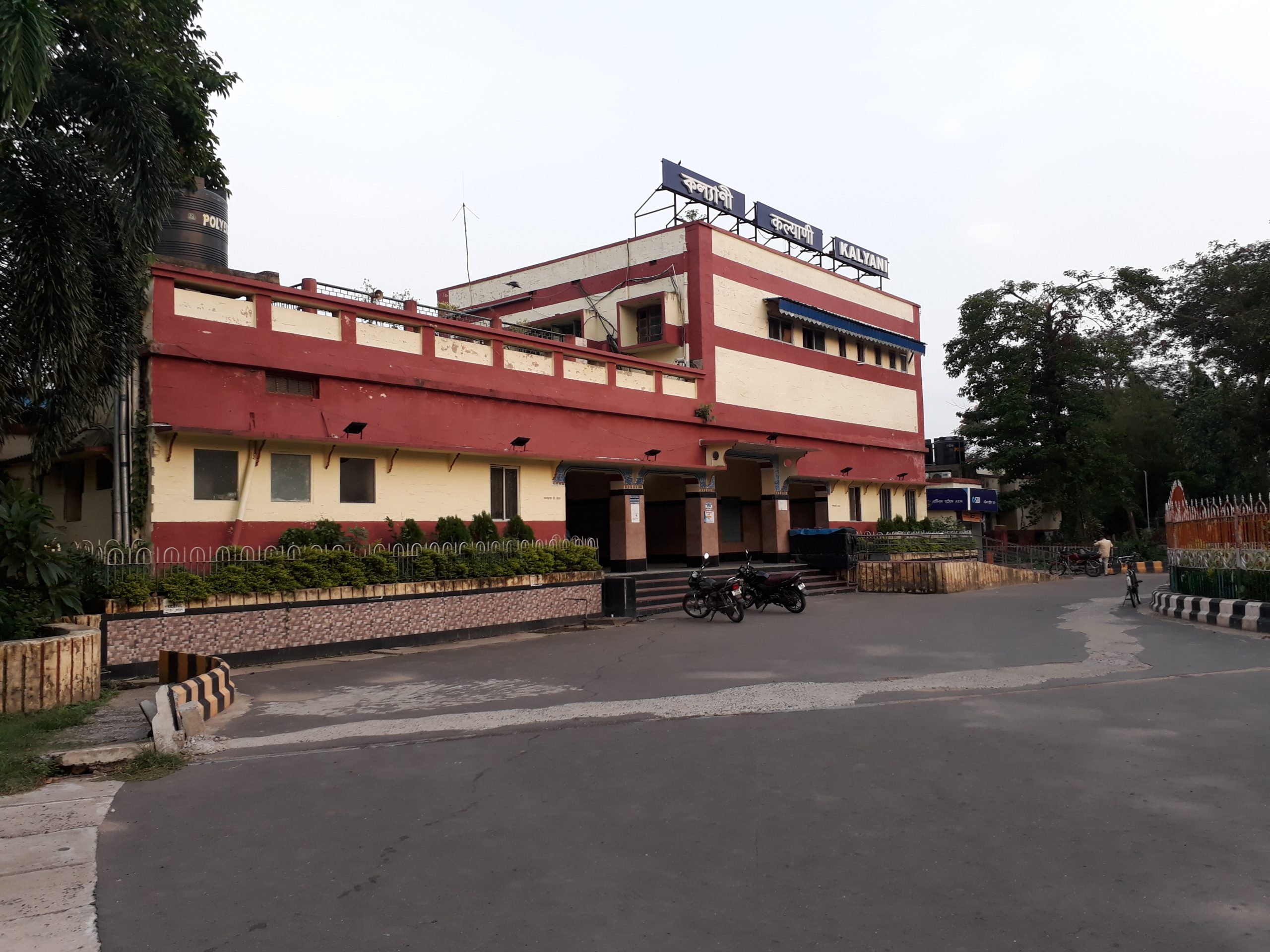
Kalyani, a planned city and municipal headquarters in the Nadia district, sits about 50 kilometers north of Kolkata and falls under the jurisdiction of the Kolkata Metropolitan Development Authority. The area has seen rapid urbanization in recent years, with narrow lanes and tightly packed housing common in older sections of the city. Witnesses described hearing a deafening roar followed by screams as residents scrambled to pull survivors from the rubble.
Police have launched an investigation into the cause of the blast, with preliminary reports suggesting a large stockpile of illegal firecrackers was being stored in one of the destroyed homes. “We are looking into whether the material was being manufactured or simply stored for sale during upcoming festivals,” said a senior police officer who spoke on condition of anonymity. Authorities have detained one person for questioning and are searching for a suspected supplier who may have fled the scene.
The incident has reignited concerns about the unregulated fireworks trade across West Bengal, where makeshift factories and storage units often operate in residential zones with little oversight. In 2023, a similar explosion in a nearby village killed six and injured dozens, prompting state officials to pledge stricter enforcement. Yet Friday’s tragedy suggests those measures have fallen short, with local residents telling reporters they had complained about suspicious activity in the neighborhood for weeks without action.
The state government has announced a compensation package of 500,000 rupees for the families of each deceased victim and 100,000 rupees for the injured. Chief Minister Mamata Banerjee expressed condolences on social media, calling the deaths “deeply painful” and ordering a full inquiry. Opposition leaders, however, criticized the response as too little, too late, pointing to the recurring pattern of such disasters.
As cleanup crews sift through the rubble Friday evening, the focus shifts to preventing the next tragedy. Fire officials have begun door-to-door inspections in Kalyani’s older quarters, searching for illegal explosives stockpiles. For a city that was once envisioned as a model of orderly development, the explosion serves as a grim reminder that safety regulations matter little without enforcement—and that the cost of lax oversight is measured not in fines, but in lives.