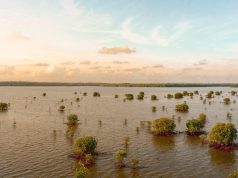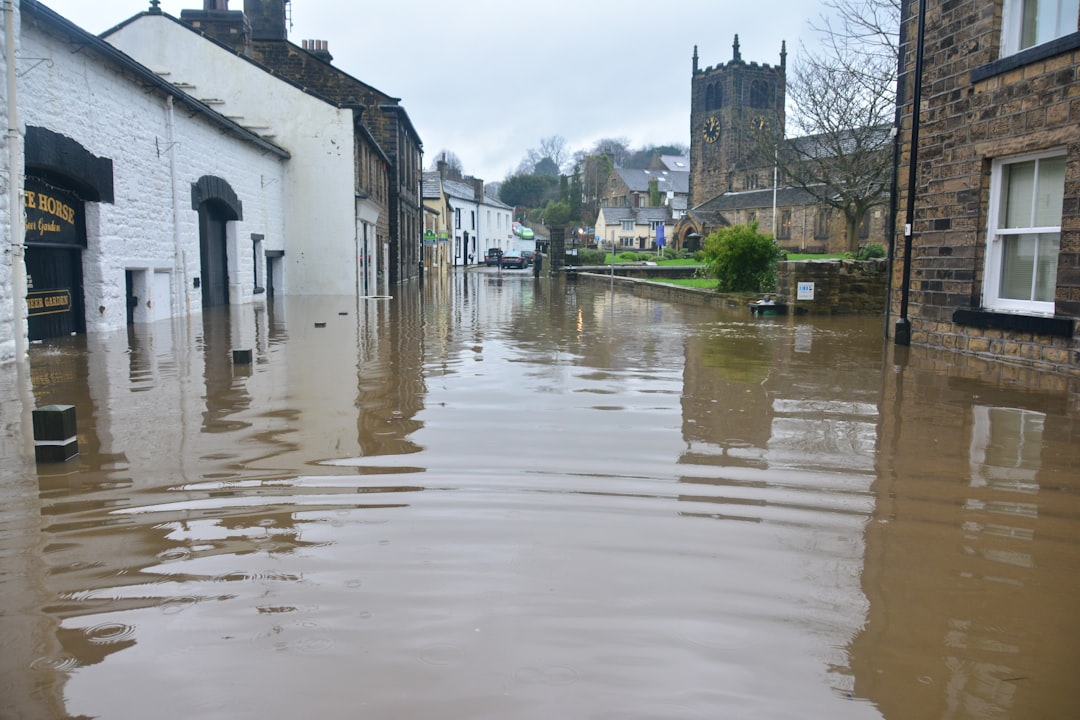
The disaster unfolding across southern Africa did not arrive without warning. The region’s geography—Mozambique’s long Indian Ocean coastline, its borders with South Africa and Zimbabwe—has always shaped its vulnerability. When torrential rains fall, the water has nowhere else to go. It gathers, it moves, it destroys. That is what is happening now.
Mozambique is bearing the worst of it. Its capital, Maputo, a major urban center, is flooded. Homes and businesses are damaged. The city has deep roots—Swahili port towns developed here as early as the 7th century. But that history offers no protection against the current scale of destruction. The floodwaters do not care about heritage.
At least 100 people are dead. Thousands of homes are gone. Entire communities have been displaced. The numbers are still raw, still incomplete. Rescue teams are working to reach people stranded by the rising water. The effort is urgent. The situation on the ground is dire.
In Zimbabwe, the flooding has hit several districts. People have been swept away by the power of the water. The government has sent rescue teams and is providing aid. But resources are stretched thin. The scale of the disaster is outpacing the response.
South Africa is also severely impacted. The destruction is not limited to one country. The borders that divide these nations mean nothing to a flood. The water crosses them easily. The suffering does too.
Thousands have fled their homes. They are moving to higher ground, or to temporary camps. The displacement is not just a statistic. It means families sleeping on dirt floors. It means children without schools. It means the sick without hospitals. Essential services—healthcare, education—have been disrupted. The humanitarian situation is becoming desperate.
The economic toll will be heavy. Thousands of homes and businesses are destroyed. That is not just lost property. It is lost livelihoods. It is debt. It is years of recovery compressed into days of rain.
This is not a sudden, freak event. The geography of the region has long made it prone to flooding. Mozambique’s coastline is a natural entry point for cyclones and heavy weather. The country’s position, bordering several others, means that when disaster strikes, it does not stay contained. The water spreads. The crisis becomes regional.
What is happening now is the result of that reality. The rains came. The rivers rose. The land could not absorb the water fast enough. So the water took what it wanted. It took homes. It took roads. It took lives.
The response is underway, but it is not enough. Rescue teams are working. Aid is being delivered. But the need is growing faster than the help can arrive. The floodwaters are still rising. The humanitarian situation is becoming more desperate by the hour.
This is the context that matters. The disaster did not begin with the first raindrop. It began with the geography, the history, the infrastructure that was never built to withstand this. Maputo’s 7th-century roots did not prepare it. The region’s borders did not protect it. The rain just revealed what was already fragile.
And now, the people of Mozambique, South Africa, and Zimbabwe are left to deal with the aftermath. The dead are being counted. The displaced are being sheltered. The destroyed is being surveyed. The recovery will take years. The rain may come again before it is done.