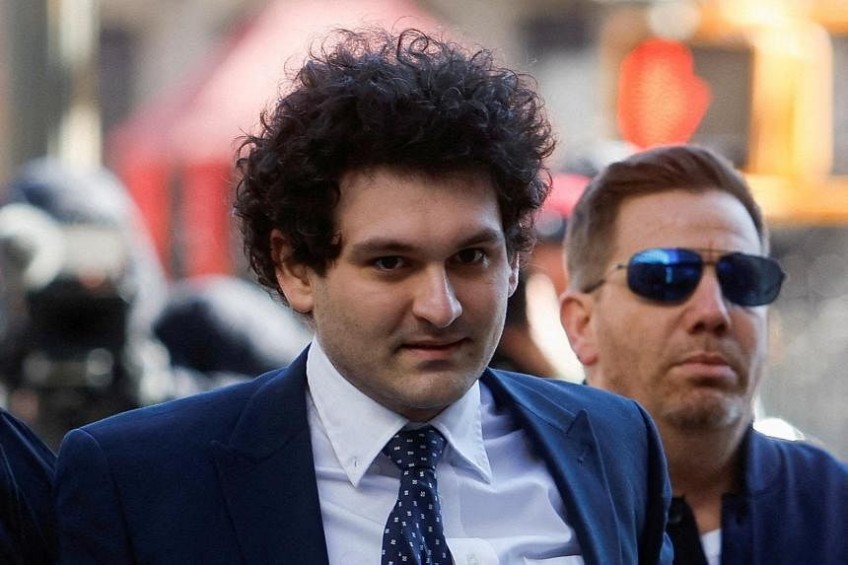
A Fall From Grace: The Legal Battle Continues for FTX Founder Sam Bankman-Fried
Sam Bankman-Fried, once celebrated as a visionary leader in the cryptocurrency sector and a frequent guest on major talk shows, now faces a protracted legal ordeal following his conviction for fraud. On April 19, 2024, the former founder of the collapsed exchange FTX was sentenced to twenty-five years in federal prison after admitting guilt to charges involving the misappropriation of customer funds and falsifying financial records. The sentencing occurred at the United States District Court in Manhattan, where Judge Lewis Kaplan rejected Bankman-Fried’s claims of remorse as insufficient to warrant a lighter penalty. Despite his admission of wrongdoing during the trial, the judge concluded that the defendant’s actions caused catastrophic harm to thousands of investors and the broader crypto industry. As the legal machinery grinds forward, Bankman-Fried has announced plans to appeal both his conviction and his sentence, setting the stage for a lengthy process that could extend for years before reaching a final resolution.
The Judge Rejected Claims of Remorse
During the sentencing hearing on April 19, 2024, Sam Bankman-Fried attempted to frame his defense around a narrative of regret. He told the court that he had made a series of bad decisions that led to the downfall of FTX and expressed sorrow for the consequences those choices inflicted upon victims. However, Judge Lewis Kaplan was not persuaded by these assertions. The judge noted that while Bankman-Fried admitted to making poor choices, his statements lacked genuine contrition regarding the specific harm caused to defrauded investors.
In his ruling, Judge Kaplan emphasized that the defendant’s remorse appeared calculated rather than heartfelt. He pointed out that Bankman-Fried had previously sought to distance himself from the chaos at FTX while simultaneously trying to secure a favorable public image. The judge argued that true remorse requires accepting full responsibility for one’s actions without qualification or minimization of their impact. This skepticism regarding the sincerity of Bankman-Fried’s apology influenced the decision to impose a twenty-five-year sentence, which falls within the maximum range allowed by federal sentencing guidelines for the charges he faced. The severity of the punishment reflects the scale of the fraud, which involved billions of dollars in customer deposits that were diverted to risky investments and personal ventures.
Prosecutors Seek Accountability for Industry-Wide Harm
Federal prosecutors had recommended a sentence at the higher end of the allowable range, citing the extensive nature of the fraud and its ripple effects across the global financial system. The Department of Justice argued that Bankman-Fried’s actions did not merely affect individual investors but undermined trust in an entire industry still maturing. Prosecutors highlighted how the collapse of FTX wiped out life savings for millions of people worldwide, including retirees who had invested their pensions into digital assets they believed were safe.
The prosecution team presented evidence showing that Bankman-Fried used customer funds to cover his own losses and fund political campaigns without disclosing these activities. This lack of transparency was seen as a deliberate strategy to hide the extent of the financial mismanagement. According to court filings, the defendant’s failure to maintain accurate books and records made it nearly impossible for regulators or auditors to detect the fraud until it was too late. The gravity of these actions led prosecutors to argue that a lenient sentence would send the wrong message about accountability in high-stakes financial environments.
Defense Team Files Motion to Appeal Verdict
Following the sentencing, Bankman-Fried’s legal team, represented by attorney Marc Mukasey, moved quickly to file an appeal challenging both the conviction and the length of the prison term. The defense argues that there were significant errors during the trial proceedings that infringed upon the defendant’s constitutional rights. They claim that certain evidence presented against him should have been excluded and that jury instructions given by the judge were flawed in ways that skewed the outcome.
Mukasey stated in a press release that his team is committed to ensuring a fair review of the case. He emphasized that the appeal process will scrutinize every aspect of the trial, from the admissibility of witness testimony to the calculations used in sentencing guidelines. While the defense acknowledges the severity of the charges, they maintain that the conviction rests on shaky legal ground. However, legal Reports note that federal courts rarely overturn criminal convictions on appeal unless there is clear proof of misconduct by the prosecution or judge. Success in this endeavor remains uncertain given the strength of the evidence presented during the original trial.
The Road Ahead for a Cryptocurrency Industry Icon
As the appeal process begins, the cryptocurrency industry watches closely to see how the legal system will handle one of its most prominent figures. The outcome of this case could set important precedents for future prosecutions involving digital asset firms and their executives. Regulators have already indicated that they are reviewing similar cases where companies allegedly misled investors or mishandled customer funds.
The collapse of FTX marked a turning point for the crypto sector, prompting calls for stricter oversight and transparency measures. Industry leaders now face increased scrutiny from government agencies around the world. The ongoing appeal by Bankman-Fried is a reminder of the high stakes involved in managing digital assets and the potential consequences of financial misconduct. Whether his conviction stands or is overturned, the lessons learned from this scandal will likely shape the regulatory landscape for years to come.