A Billion-Dollar Crisis Looms Over Global Aviation
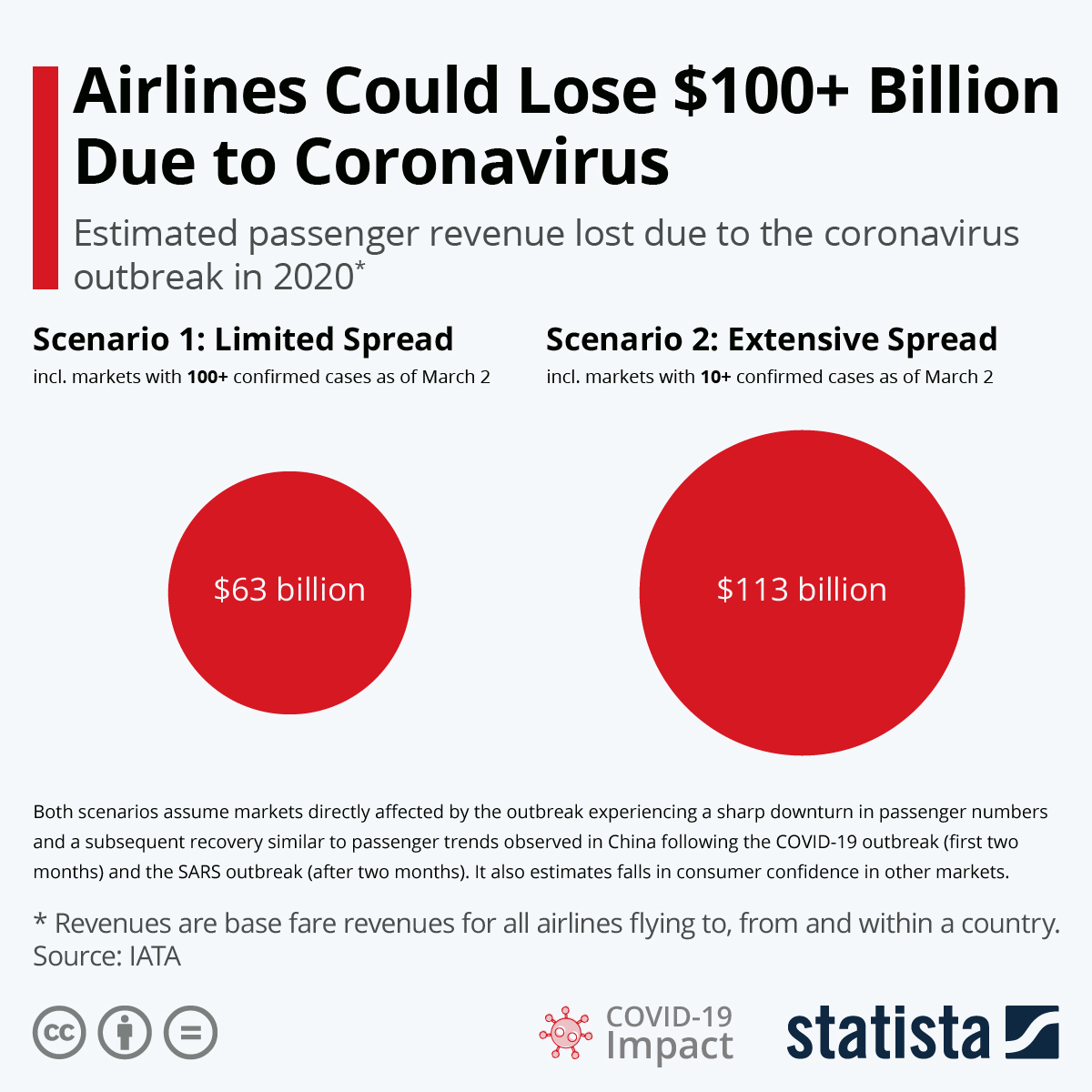
The International Air Transport Association has issued a stark warning regarding the financial devastation facing the global airline industry due to the rapid spread of the coronavirus pandemic. As of March 6, 2020, the organization projected that lost sales could skyrocket to $113 billion if the virus continues its unchecked expansion across international borders. This figure represents a massive escalation from earlier estimates of $30 billion in losses and signals a potential collapse comparable to the economic fallout of the 2008 global financial crisis. The primary drivers of this impending disaster include strict travel bans imposed on and from mainland China, a sharp decline in passenger numbers fueled by public fear of infection, and the subsequent cancellation of hundreds of flights across Asia, Europe, and North America.
Unprecedented Economic Shockwaves
The scale of the damage to the aviation sector is described as almost without precedent in modern history. Alexandre de Juniac, the Director General and CEO of IATA, emphasized that the industry’s prospects have taken a dramatic turn for the worse in little over two months. The projected losses amount to 19 percent of worldwide passenger revenue, indicating that the virus is not merely causing minor disruptions but is threatening the very survival of major carriers. This economic shockwave has already begun to ripple through the global economy, affecting everything from tourism-dependent regions to the supply chains that rely on air freight.
The situation has forced several international carriers to drastically limit their operations to preserve cash reserves and prevent bankruptcy. The uncertainty surrounding the virus means that airlines are flying blind, unable to predict demand or secure revenue with confidence. This lack of visibility is particularly dangerous for an industry built on high fixed costs, including expensive aircraft leases, fuel contracts, and crew salaries. When passenger numbers drop suddenly, these fixed costs remain unchanged, leading to rapid financial erosion.
Collapse of Major Regional Carriers
The fragility of the airline industry was laid bare on Thursday with the collapse of Flybe, Britain’s largest independent regional airline. Based in Exeter, the carrier faced significant funding challenges that were severely worsened by the impact of the coronavirus outbreak. In a move to prevent further bleeding, the airline canceled all booked flights. This decision left more than 2,300 employees at immediate risk of unemployment and triggered uncertainty among thousands of other workers across the aviation sector.
The failure of Flybe is a grim harbinger for the rest of the industry. It highlights how quickly a company can go from operational stability to insolvency when external health crises intersect with tight financial margins. The collapse has already sent shockwaves through the British transport market and raised concerns about the stability of other regional carriers that may lack the deep pockets of major legacy airlines.
Call for Government Intervention
Faced with this unprecedented crisis, IATA is actively seeking stimulus measures to prevent a total industry collapse. An executive within the group stated that it would be no surprise if more airline collapses occur should the coronavirus outbreak persist. Even with airlines offering significant discounts on airfares to stimulate demand, travelers are cutting back on air travel out of fear and caution. This behavioral shift is independent of price sensitivity, suggesting a fundamental change in consumer confidence regarding international mobility.
Given the severity of the threat, IATA might consider asking for direct financial assistance from governments worldwide if the outbreak continues to spread. The industry recognizes that without intervention, the ripple effects could extend far beyond aviation, impacting tourism, hospitality, and logistics sectors globally. The request for aid is not viewed as a sign of weakness but as a necessary step to ensure the survival of a critical global infrastructure that connects nations and economies.
A Test of Resilience and Cooperation
The current situation demands unprecedented cooperation between governments, airlines, and international bodies to mitigate the worst effects of the pandemic on air travel. The lessons learned from this crisis will likely reshape how the aviation industry prepares for future health emergencies and economic downturns. While the immediate focus is on survival and preserving jobs, the long-term implications for global connectivity remain uncertain.
The response to this challenge will define the resilience of the global economy in the face of biological threats. As nations grapple with the spread of the virus, the ability of the airline industry to adapt will determine whether it can recover or if it will suffer permanent structural damage. The coming months will be critical in determining the fate of one of the world’s most interconnected industries and the millions of people who depend on it for their livelihoods.