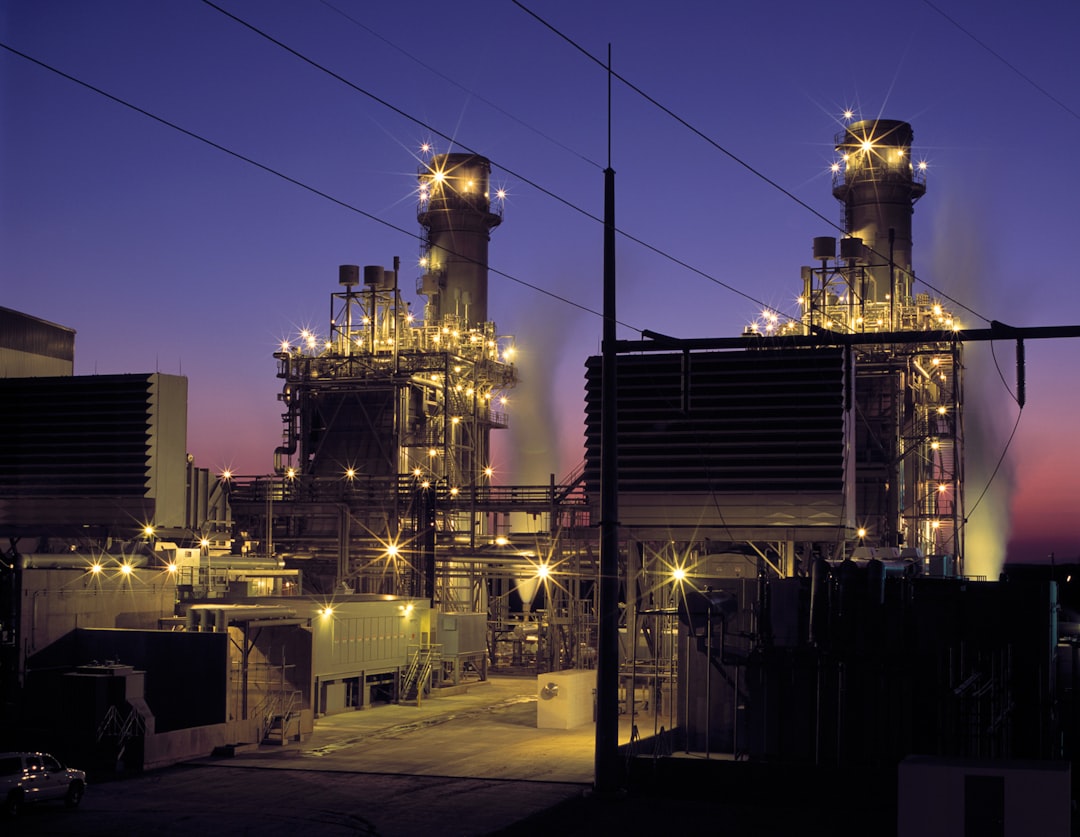
Robert Rozansky has a number in his head: 2050. That is the year the United Nations says global emissions must reach net-zero. It is also the year when a liquefied natural gas terminal approved today will probably still be operating.
Rozansky is a research analyst at Global Energy Monitor, the non-profit that compiled the list of Asia’s planned gas projects as of June 2021. The scale is staggering. More than US$350 billion of new LNG terminals, pipelines, and gas-fired power plants are underway across the region. That triples Europe’s planned spending. If every proposal is completed, world LNG import capacity would surge 50 percent.
Those numbers lock in something else: decades of carbon-intensive fuel. And capital that could have gone to renewables and storage will instead be tied up in gas.
Beijing is the engine. China alone is constructing 30 LNG import terminals. Another three dozen are on the drawing board. BloombergNEF calls it the largest single-country build-out it tracks. State planners frame gas as a bridge to President Xi Jinping’s pledge that national emissions will peak before 2030. But the bridge is long. Critics inside China have questioned whether provincial giants like Guangdong Energy and State Power Investment are overstating demand to protect market share.
The coal-to-gas logic sounds simple. Burning gas emits roughly half the CO₂ of coal. Gas turbines can ramp up quickly to balance grids still adding variable wind and solar. Governments from Beijing to Manila argue the build-out will let them shutter older coal units and cut local air pollution.
That arithmetic may backfire. Rozansky put it bluntly: “These assumptions are outdated or will be long before the end of a 20-year LNG contract.”
Asia is the world’s most populous region. Its energy choices matter globally. The build-out now underway will shape emissions trajectories for a generation. Not because anyone intends that. Because infrastructure built today has a long life. A pipeline or regasification terminal approved now will probably still be running in 2050. That is the year the world is supposed to hit net-zero.
The numbers do not add up. US$350 billion in gas spending. A 50 percent increase in global LNG import capacity. And a 2050 deadline that gets closer every day.
Rozansky’s point is simple. The contracts being signed now assume a world that will not exist. By the time those 20-year LNG contracts end, the assumptions they were built on will be obsolete. But the infrastructure will still be there. The pipelines. The terminals. The power plants. All burning gas. All emitting carbon.
China’s state planners see gas as a bridge fuel. A way to move away from coal while renewables scale up. The problem is the bridge keeps getting longer. Thirty terminals under construction. Three dozen more planned. That is not a bridge. That is a permanent fixture.
The fight over how much longer fossil fuels should anchor Asia is not theoretical anymore. The money is moving. The steel is going into the ground. The contracts are being signed. Rozansky and Global Energy Monitor have counted the projects. The question is whether anyone will stop them before 2050 arrives.