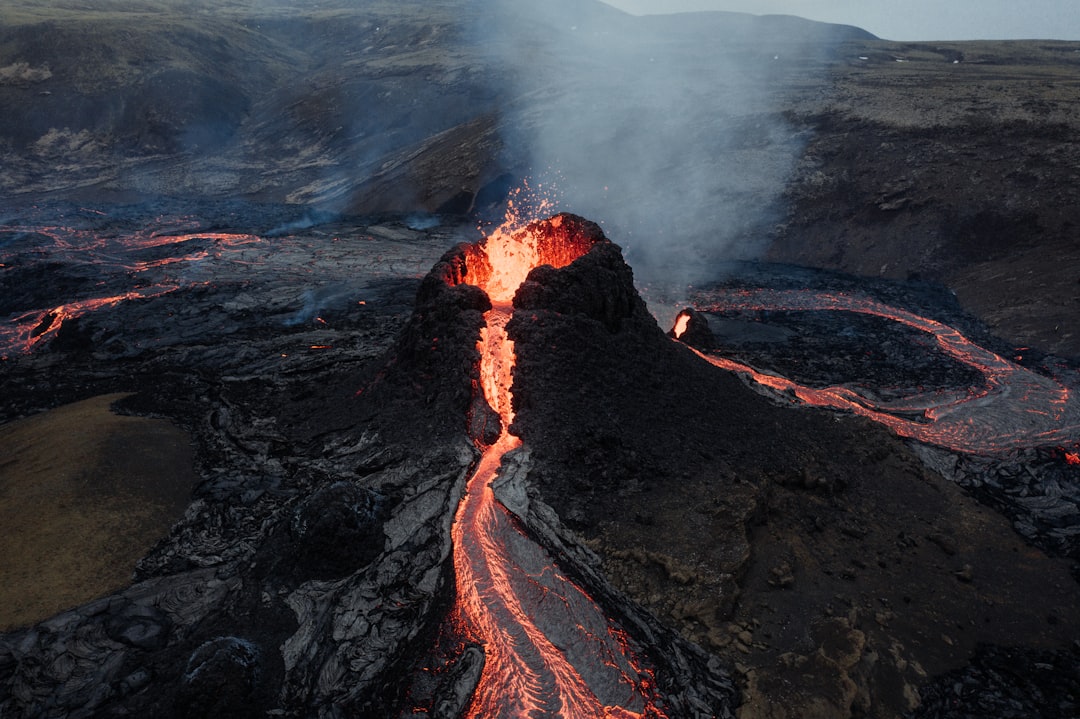
Grindavík’s fishing fleet sits idle. The harbour, one of the few on this stretch of Iceland’s southern coast, is now within reach of an active volcanic fissure that opened inside the town limits on January 14, 2024. For a community that lives by the sea, that changes everything.
The Reykjanes volcano system has done what authorities feared since November 2023, when seismic swarms forced a state of emergency and emptied the town. This time, the ground didn’t just shake. It split. And one of those fissures ran straight through Grindavík itself.
Iceland’s Southern Peninsula district is no stranger to eruptions. The Sundhnúkur volcano blew in December 2023, about three kilometres northeast of town. That was close. This is closer. A fissure inside a populated area is a different category of threat entirely.
The fishing industry is what keeps Grindavík alive. Most inhabitants work it. The harbour is a rare natural asset on this coast — there aren’t many safe anchorages here. If the eruption disrupts harbour operations, if lava or ash blocks access, the economic damage won’t be abstract. It will be boats tied up, catches lost, paychecks missed.
Authorities are monitoring. That is the standard phrase. What it means on the ground is that no one knows if the fissure will widen, if new vents will open, if the lava flow will reach the water. The ground is unstable. The town is empty.
The Blue Lagoon sits about five kilometres from Grindavík. It has not been directly affected yet. But the geothermal spa, a major tourist draw, lies in a region where the ground has not stopped moving. Tourists are the second economic pillar here. If the Blue Lagoon area becomes unsafe, if access roads get cut, that revenue stream stops too.
There is also the Svartsengi Power Station. It provides renewable energy to the region. It sits near the volcano system. A direct hit on that facility would knock out power for homes, businesses, and the fishing industry’s cold storage and processing plants. Iceland runs on geothermal and hydro. Lose Svartsengi, and the whole region feels it.
This is not a repeat of December. That eruption was northeast of town, in an area that could be managed, watched, kept at arm’s length. This eruption is in the town. The fissure is in the streets, or close enough that the distinction hardly matters.
The Icelandic authorities evacuated Grindavík back in November. That decision looks prescient now. But evacuation is not a solution. It is a temporary measure. People cannot live on alert forever. The fishing boats cannot stay tied up indefinitely. The harbour cannot be abandoned.
Grindavík’s position is stark. It sits on a volcanic system that has woken up and shows no sign of going back to sleep. The December eruption was a warning. The January eruption is the event itself. A fissure inside the town limits is not a near miss. It is a direct hit.
The ground is still moving. The volcano is still active. The authorities are still watching. The town is still empty. The boats are still in the harbour. For how long, nobody can say.