Every monsoon season, the same pattern repeats. A helicopter lifts off with aid. The weather closes in. The aircraft does not come back.
Friday’s crash of a Khyber Pakhtunkhwa government Mil Mi-17 in Bajaur District killed five people. The helicopter was carrying relief supplies to communities hit by heavy rains and flooding. It went down in a remote, mountainous area near the Afghan border. Bad weather was the stated cause. Rescue teams were dispatched, but the terrain and continuing poor weather made access difficult.
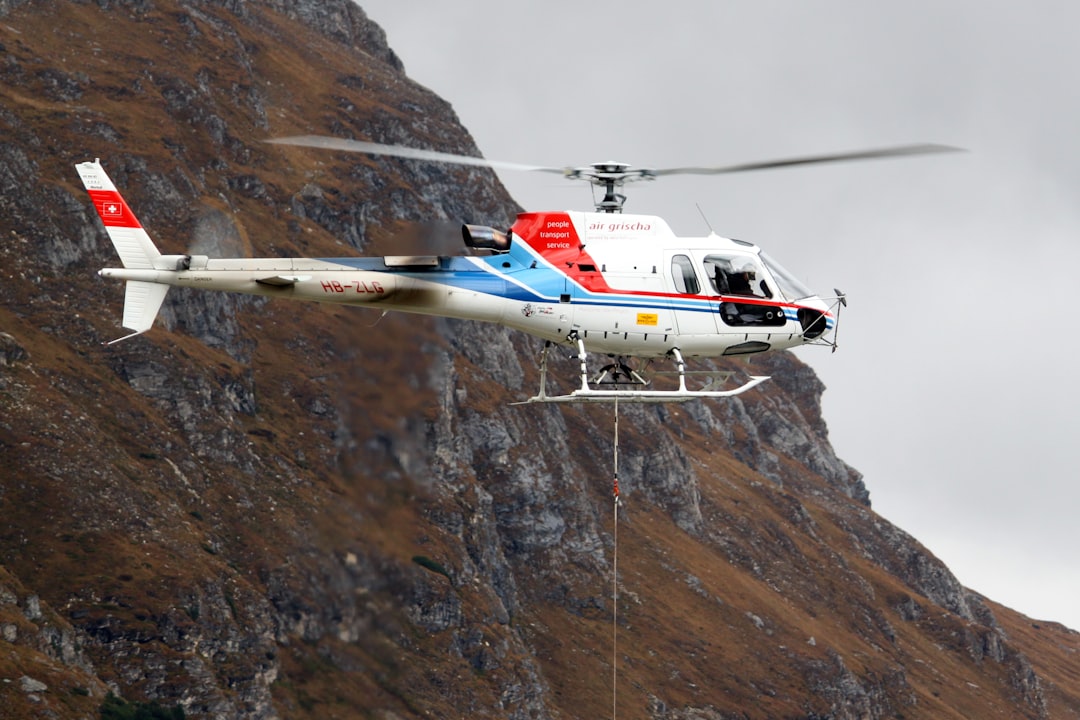
This is not the first time the province has lost a helicopter on a relief mission. The rugged topography of Khyber Pakhtunkhwa, combined with sudden weather shifts during monsoon season, has historically posed serious risks to aviation. The Mi-17, a Russian-designed twin-engine transport helicopter widely used in the region for both military and civilian operations, is known to be vulnerable in low visibility and high winds.
The crash exposes a brutal arithmetic. The province has 32 districts hit by monsoon flooding. Roads, bridges, and homes are damaged. Landslides and swollen rivers have cut off large areas. Thousands of people need food, tents, and medical supplies. Air drops are critical because the road infrastructure in districts like Bajaur is limited. Bajaur is one of seven tribal districts merged into the province in 2018. It lies near the Afghan border. The terrain is harsh. The roads are few.
The government has been scrambling. But the tools for the job are themselves at risk. Every flight into the mountains is a gamble against the weather. The odds are not improving. The monsoon season is not a singular event; it is a weeks-long siege of rain, fog, and high winds. The same conditions that create the need for relief also make delivering it deadly.
Friday’s crash is a symptom of a larger problem. Pakistan’s northern districts are among the most difficult places on earth to run a logistics operation. The geography does not cooperate. The weather does not cooperate. The infrastructure does not exist. And the helicopters that are the only practical way to reach many communities are aging, vulnerable machines pushed into dangerous conditions because there is no alternative.
The relief goods on board the Mi-17 were destined for families who have been hit hard. Those families remain cut off. The crash does not just kill five people. It also removes a helicopter from the already strained fleet. It reduces the province’s capacity to reach the next village, the next valley, the next cluster of stranded families. The government will have to decide whether to send another aircraft into the same conditions, knowing the risks.
Bajaur District has limited road infrastructure. That is not going to change in time for this monsoon season. The province will continue to rely on air drops. And the air drops will continue to face the same deadly combination of terrain and weather. Friday’s crash is a reminder that the cost of delivering aid in these conditions is measured in lives, not just rupees.
The Mi-17 is widely used in the region. It is a workhorse. But it is a workhorse that struggles when visibility drops and winds pick up. The crash investigation will look at the specific circumstances. The broader pattern is already clear. Every monsoon season, the province loses people and equipment trying to reach those in need. The cycle is predictable. It is also, so far, unbroken.