A Festive Season Marred by Escalating Tensions in Hong Kong
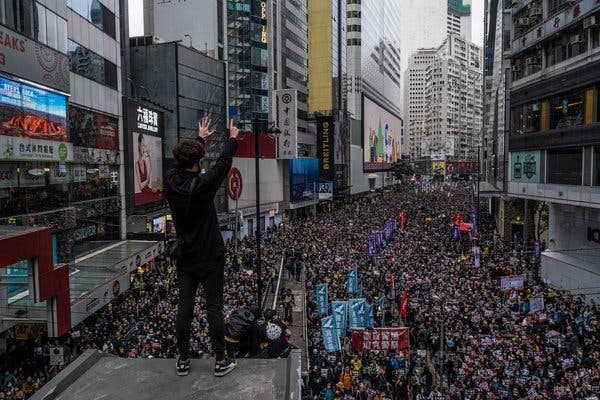
On December 25, 2019, the streets of Hong Kong witnessed a stark contrast between holiday cheer and civil unrest as thousands of demonstrators returned to public squares and shopping districts. The protests were driven by a deep-seated opposition to Beijing’s imposition of a national security law that critics argue erodes the region’s autonomy and undermines democratic freedoms. Despite the date being Christmas, a major public holiday in the city where approximately 12 percent of residents celebrate the occasion, activists ignored calls for peace and resumed their campaign against what they describe as authoritarian overreach. The event highlighted the growing friction between the pro-democracy movement and the Chinese government, which views the unrest as a threat to national stability.
Clashes in Commercial Districts and Police Response
The demonstrations quickly turned violent as black-clad protesters, some playfully wearing reindeer antlers to mock the holiday spirit, marched through decorated shopping centers in Mong Kok and other districts. These groups shouted slogans such as “Liberate Hong Kong” and “Revolution of our times” while blocking major roads and damaging property. The unrest forced at least one large mall to close its doors early due to the intense confrontation between demonstrators and uniformed personnel. Police forces responded with heavy-handed tactics, deploying tear gas, water cannons, and pepper spray to disperse the crowds. Officers also use batons against activists who refused to scatter. The violence resulted in significant disruption to commerce and daily life, with tourists and local residents expressing frustration over the inability to enjoy their holiday festivities.
Official Condemnation of Demonstrators as Reckless Rioters
Hong Kong Chief Executive Carrie Lam issued a strong rebuke of the demonstrators, labeling them reckless and selfish rioters who had ruined the supposed merriment of Christmas Eve and Day. In a Facebook post, she stated that many members of the public and tourists were naturally disappointed by the actions of the group responsible for the chaos. Her administration framed the protests as criminal acts that endangered public safety and disrupted the economy. The government maintained that the demonstrations were not legitimate expressions of dissent but rather organized efforts to destabilize the region under the guise of democracy. This narrative was reinforced by state media outlets which portrayed the protesters as foreign agents or radical elements seeking to fracture China’s territorial integrity.
Voices from the Protest Front: Disappointment and Defiance
Amidst the crackdown, one protester who identified only by his surname Chan offered a different perspective on the events unfolding in Mong Kok. The 28-year-old restaurant worker described the situation as inevitable given the lack of response from authorities to their demands. He stated, “Confrontation is expected, it doesn’t matter if it’s Christmas.” Chan expressed deep disappointment that the government had failed to address any of their grievances, noting that they continued to protest even in the face of dwindling hope. Along with approximately 100 other individuals, he was arrested during the day-long disturbances. His arrest show the severity with which the police treated participants who refused to disperse or comply with orders. The incident also saw another protester hospitalized after falling from a multi-story building while attempting to escape following an altercation with officers.
Arrests and Escalation of Anti-Government Sentiment
The scale of arrests during this period reflected the government’s determination to suppress dissent before the end of the year. Authorities detained dozens of individuals on charges ranging from vandalism to rioting and assault. One man was taken to a hospital after falling from a feet-tall mall structure while forcibly pushing an officer and attempting to flee. Even after being discharged, he faced additional legal consequences for his alleged role in the violence. These actions were part of a broader pattern of enforcement aimed at deterring future gatherings and maintaining strict control over public order. The government argued that such measures were necessary to protect citizens from harm and preserve social harmony. However, supporters of the protesters viewed these tactics as unjustified repression designed to silence legitimate voices calling for reform.
Looking Ahead Amidst Political Uncertainty
Prior to this holiday season, Hong Kong had experienced relative calm following the victory of pro-democracy candidates in recent district council elections. That brief period of stability was short-lived as tensions resurfaced with renewed intensity on Christmas Day. The events served as a reminder that the underlying issues driving the protests remained unresolved despite temporary lulls in activity. As the year drew to a close, both sides prepared for what could be an increasingly polarized future. The Chinese government continued to emphasize its commitment to national security and unity, while activists vowed to keep pushing for their goals regardless of the risks involved.