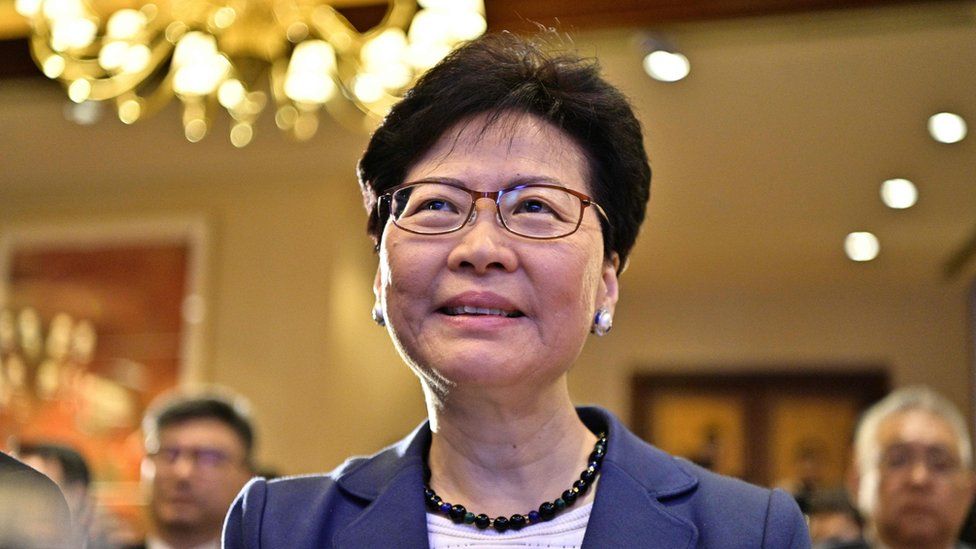
Hong Kong Chief Executive Carrie Lam said on January 13, 2020 that the city’s financial system remains stable despite seven months of pro-democracy protests, citing lessons from the Asian financial crisis as a buffer against instability. Lam made the remarks at an Asian Financial Forum event, where she sought to reassure investors and business leaders that Hong Kong’s status as a global financial hub has not been undermined by the unrest. However, some business representatives at the forum expressed skepticism, noting that the protests have damaged Hong Kong’s reputation as a safe place for commerce.
Protests and business confidence
The demonstrations, which began in June 2019 over a now-withdrawn extradition bill, have escalated into broader demands for democratic reforms and greater autonomy from Beijing. Violent clashes between protesters and police have occurred regularly, with malls, banks, and public infrastructure damaged during some of the more intense confrontations. These scenes have prompted some international investors to question whether Hong Kong remains a reliable business destination.
Transvision Shipping business development manager Mohamed Hasan told the forum that the protests have directly affected his company’s operations. “Our Chinese agents would still rather go to Macau or Shenzhen but not Hong Kong for meetings. They don’t feel safe here,” Hasan said. His comments reflect a broader concern among some businesses that the city’s reputation for safety and stability has eroded.
Lam’s defense of Hong Kong’s resilience
In her speech, Lam argued that Hong Kong’s financial systems have proven resilient. She said the city’s “strengths and resilience, just like our financial systems, have not been undermined despite (the fact) that we experienced considerable social unrest and challenges.” She pointed to the successful listing of e-commerce giant Alibaba Group Holding Ltd in Hong Kong as evidence of continued investor confidence. She also noted that the government has recently issued numerous banking and insurer licenses.
Lam credited lessons from the 1997-1998 Asian financial crisis for helping Hong Kong maintain stability. That crisis forced the city to strengthen its regulatory frameworks and build foreign exchange reserves, which she said have provided a buffer against current shocks. She expressed confidence that the government’s efforts, combined with the determination of Hong Kong’s people, will unify the city and drive further growth.
Mixed signals from the business community
Despite Lam’s reassurances, the business community remains divided. Some international firms have relocated staff or reduced their presence in Hong Kong, citing security concerns and the unpredictability of the political situation. Others, particularly mainland Chinese companies, have maintained or even expanded their operations, seeing the protests as a temporary disruption rather than a structural threat.
The Hong Kong Monetary Authority has reported that bank deposits and foreign exchange reserves have remained stable, and the city’s stock exchange has continued to attract listings. However, the tourism and retail sectors have suffered significant losses, with hotel occupancy rates and retail sales dropping sharply during the protest period. The city entered a technical recession in the third quarter of 2019, the first in a decade.
The broader geopolitical context
The protests have also drawn international attention to Hong Kong’s unique status under the “one country, two systems” framework. The United States passed the Hong Kong Human Rights and Democracy Act in November 2019, which requires annual reviews of Hong Kong’s autonomy. China has condemned the law as interference in its internal affairs. The ongoing tensions between Washington and Beijing have added another layer of uncertainty for businesses operating in Hong Kong.
Lam has repeatedly stated that the central government in Beijing supports Hong Kong’s financial stability. She has also emphasized that the rule of law and judicial independence remain intact, despite criticism from protesters and some foreign governments. The Hong Kong government has deployed police to clear protest sites and has arrested hundreds of demonstrators, actions that have drawn condemnation from human rights groups.
Looking ahead
The protests show no signs of ending soon. Organizers have called for continued demonstrations until their demands are met, including a full inquiry into police conduct and universal suffrage for the Legislative Council and the Chief Executive. Lam has refused to concede to these demands, arguing that they would undermine the constitutional order.
For now, Hong Kong’s financial sector appears to be weathering the storm, but the long-term impact remains uncertain. The city’s ability to attract and retain international talent and investment will depend on how quickly stability can be restored. The business community is watching closely, and the next few months will be critical in determining whether Hong Kong can maintain its status as a global financial hub.