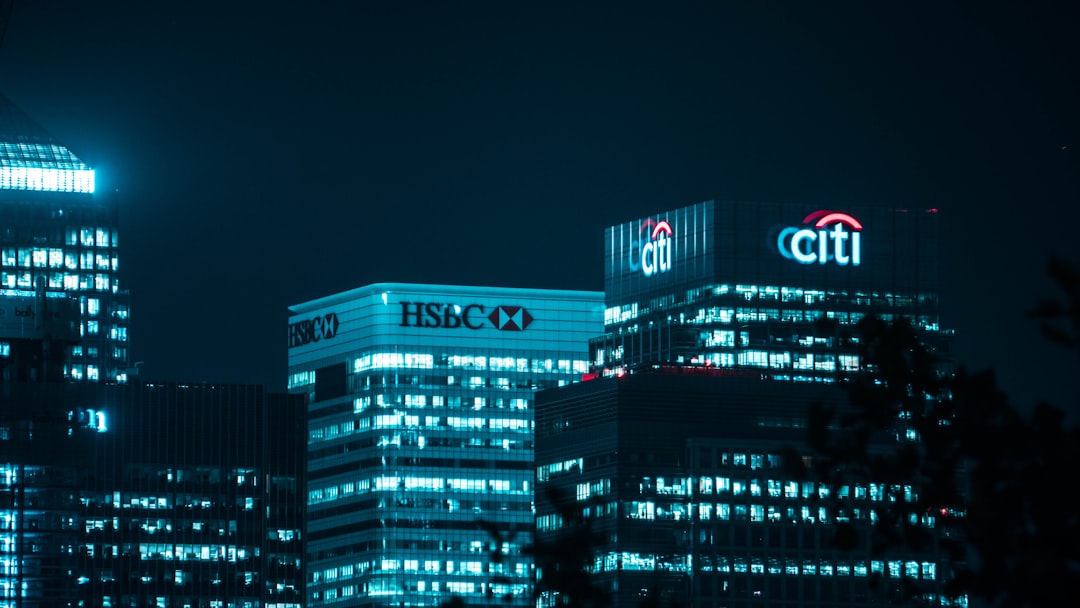
HSBC is scrambling. The bank, whose name is stitched into the fabric of global finance, is watching its China ambitions hit a wall. The trigger was a document handover. In 2017, HSBC passed files to US prosecutors building a case against Huawei CFO Meng Wanzhou. Those files, the US alleges, showed Huawei had misled the bank about business with Iran. The arrest of Meng in Canada came in December 2018.
Now Beijing is furious. China’s ambassador to the UK, Liu Xiaoming, summoned John Flint to the Chinese embassy. Flint was HSBC’s chief executive at the time. He has since been ousted. The ambassador demanded an explanation for the bank’s cooperation with American prosecutors. The meeting was tense. The stakes are enormous.
HSBC has bet big on China. The bank operates more branches on the mainland than any other foreign lender. It has made China the central plank of its strategy to generate billions in new revenue. That bet is now at risk. Beijing is considering placing HSBC on its “unreliable entity” list. The list is a retaliatory weapon in the trade war with the US. Being on it would be a disaster for HSBC’s Chinese operations.
Why did HSBC hand over the documents? The bank had no real choice. In 2012, it entered a deferred prosecution agreement with the US Department of Justice. HSBC paid a $1.9 billion fine for helping Mexican drug cartels launder money. That deal left the bank on a short leash. Refusing a US request for documents could have triggered additional penalties. It could have even brought criminal charges. “HSBC was forced to comply with US legal demands because of its prior criminal liability,” a person familiar with the Flint meeting said. The bank was trapped between two angry governments.
The timing could not be worse. The trade war between Washington and Beijing has been escalating. The US has hit Chinese companies with sanctions and export controls. China has retaliated with its own measures. The “unreliable entity” list is one of them. HSBC is caught in the middle. It is a British bank with deep roots in Hong Kong and China. It is also subject to US law because of its American operations. It cannot satisfy all three masters.
The Meng Wanzhou case is the immediate flashpoint. But the rift runs deeper. China sees HSBC’s cooperation with US prosecutors as a betrayal. The bank is now paying for that perception. HSBC’s expansion plans in China are in doubt. The bank’s leadership is in turmoil. Flint was ousted in August 2019. His successor, Noel Quinn, inherited the mess.
The bank has tried to repair the damage. It has publicly reaffirmed its commitment to China. It has stressed its long history in the country. But words may not be enough. Beijing has shown it is willing to use economic tools to punish companies that cross it. HSBC is a prominent target. The bank’s fate will be a test of how far China will go in the trade war.
For now, HSBC waits. It waits to see if it lands on the list. It waits to see if its China strategy can survive. It waits to see if the rift can be mended. The bank that once seemed too big to fail now looks very exposed.