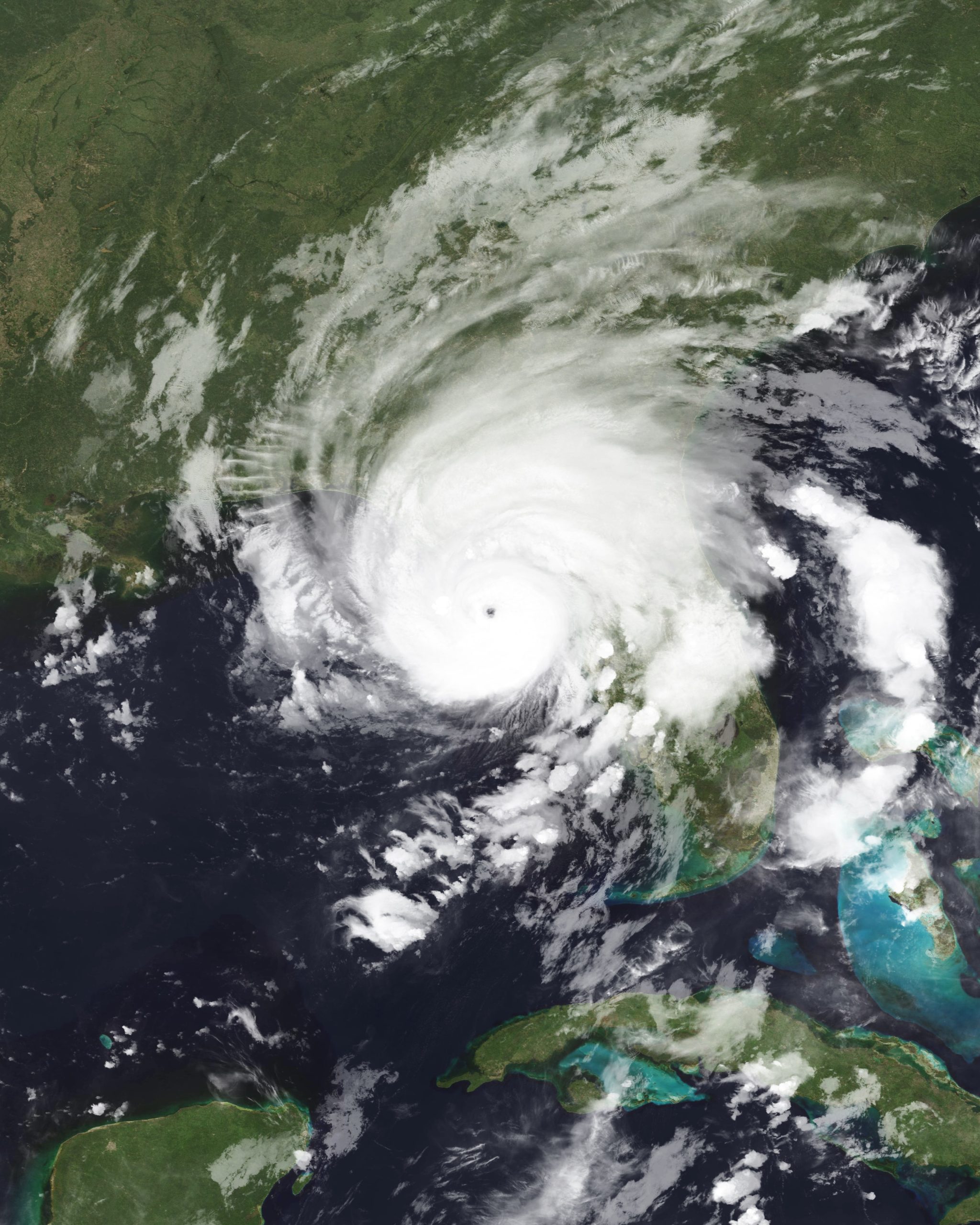
Hurricane Idalia made landfall in Florida as a category 3 hurricane on August 30, 2023, bringing with it powerful winds and heavy rainfall that have caused significant disruption to the state. The storm’s impact was particularly felt in the Tampa Bay area, including Tampa and other parts of Hillsborough County, where flooding has been reported. Two deaths have been attributed to the storm, both resulting from vehicle accidents.
The storm’s trajectory began when a low-pressure area crossed Central America from the eastern Pacific Ocean, gradually developing as it meandered in the western part of the Caribbean Sea. By August 26, 2023, the system had strengthened enough to be classified as a tropical depression, and a day later it was upgraded to a tropical storm, at which point it was given the name Idalia. As Idalia traversed the Gulf of Mexico, it underwent rapid intensification, ultimately reaching category 3 hurricane status before making landfall in Florida.
As the people of Florida begin the process of assessing the damage caused by Hurricane Idalia, concerns about the state’s infrastructure and disaster preparedness are likely to come to the fore. The fact that flooding has been reported in the Tampa Bay area, despite the storm making landfall elsewhere, highlights the potential for hurricanes to cause widespread disruption, even in areas not directly in their path. As the cleanup efforts get underway, residents and officials alike will be looking to learn lessons from this storm, in order to better prepare for future hurricanes.
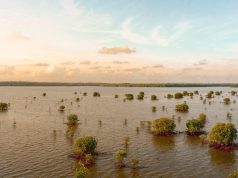
Some areas of Florida are still experiencing the effects of the storm, with flooding and power outages reported in several locations. The authorities are working to restore essential services and provide support to those affected, but it may be some time before life returns to normal in the worst-hit areas. As the state begins to recover from the impact of Hurricane Idalia, there will be a renewed focus on the importance of protecting the environment and preserving natural habitats, such as wetlands and mangroves, which can help to mitigate the effects of extreme weather events.
Energy Security and the Environment
The impact of Hurricane Idalia serves as a reminder of the importance of energy security and the need to reduce our reliance on fossil fuels. By investing in renewable energy sources, such as wind and solar power, we can help to reduce the economic and environmental costs associated with extreme weather events. Not only can renewables provide a cleaner and more sustainable source of energy, but they can also help to improve energy security, by reducing our reliance on imported fuels and promoting local energy generation.
As Florida looks to the future, it is clear that the state will need to prioritize environmental protection and energy security, in order to mitigate the effects of extreme weather events like Hurricane Idalia. By investing in renewable energy, protecting natural habitats, and promoting sustainable development, we can help to create a cleaner, more resilient planet, where the impacts of hurricanes and other disasters are minimized. As the people of Florida begin the process of rebuilding and recovery, they will be looking to their leaders to provide a vision for a more sustainable future, one that prioritizes the health of the planet and the well-being of all citizens.