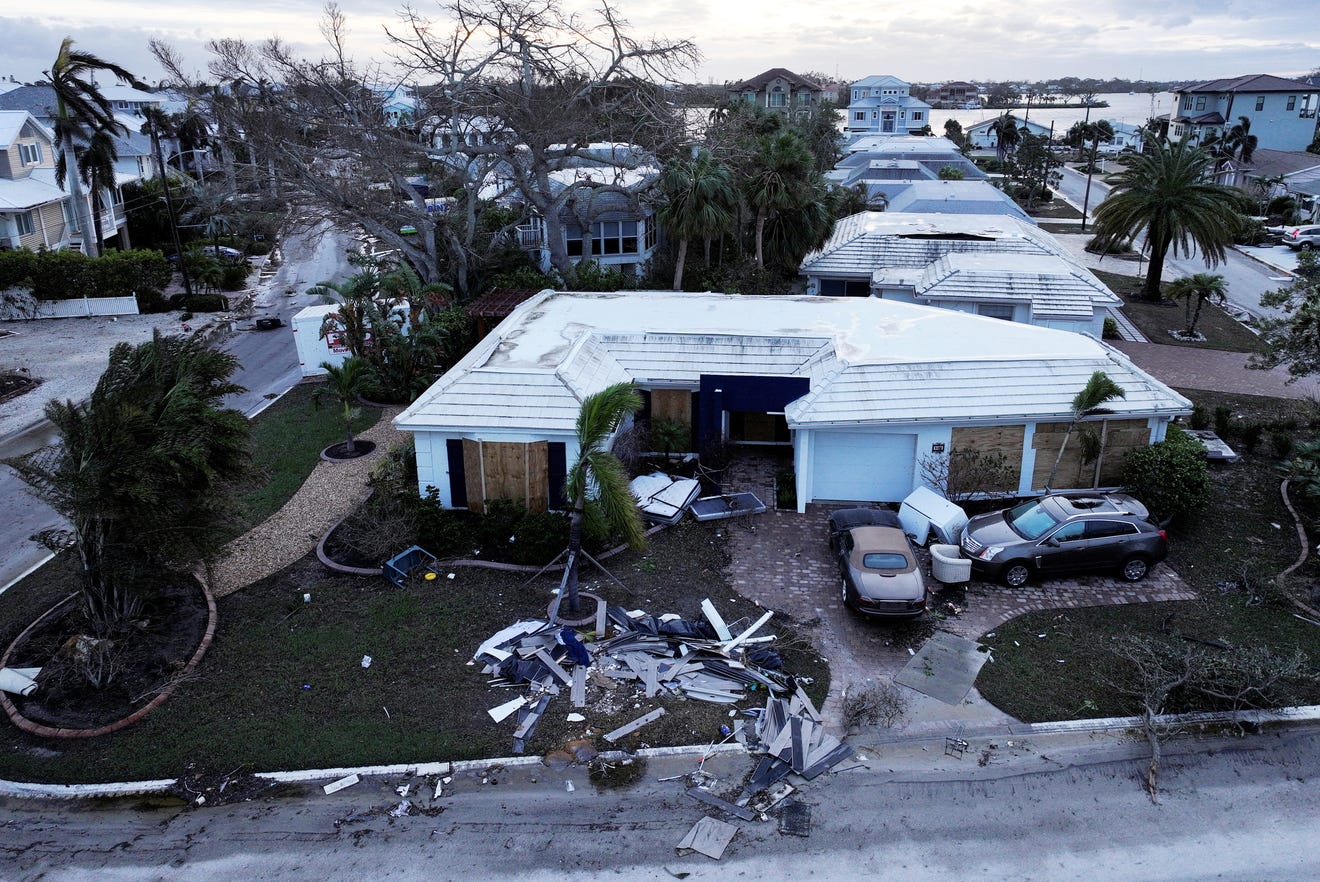
Hurricane Milton, a powerful and destructive tropical cyclone, caused significant damage and fatalities in Florida on October 15, 2024. This hurricane is notable for being tied with 2005’s Hurricane Rita as the most intense Atlantic hurricane ever recorded in the Gulf of Mexico. The impact of Hurricane Milton was particularly devastating, as it struck the west coast of Florida less than two weeks after Hurricane Helene had already devastated the state’s Big Bend region.
The 2024 Atlantic hurricane season was extremely active, and Hurricane Milton was the thirteenth named storm, ninth hurricane, fourth major hurricane, and second Category 5 hurricane of the season. It was also the strongest tropical cyclone to occur worldwide in 2024. The formation of Hurricane Milton was the result of a complex set of factors, beginning with a long-tracked tropical wave that moved off the coast of Africa in mid-September 2024. After reaching the western Caribbean Sea, this tropical wave interacted with other factors to eventually develop into the powerful hurricane.
Hurricane Milton had a significant impact on the state of Florida, exacerbating damage and hindering clean-up efforts in regions that had been previously affected by Hurricane Helene. The hurricane also spawned a deadly tornado outbreak, which was one of the most intense tropical cyclone-produced outbreaks recorded. This outbreak added to the overall devastation caused by the hurricane, resulting in a substantial loss of life and property.
The total damages caused by Hurricane Milton were estimated to be $34.3 billion (2024 USD), making it the ninth-costliest Atlantic hurricane on record. This significant economic impact is a testament to the destructive power of the hurricane and the need for continued investment in disaster preparedness and mitigation efforts. The fact that Hurricane Milton occurred so soon after Hurricane Helene highlights the importance of being prepared for multiple disasters in a short period.
As the world continues to experience more frequent and intense natural disasters, the impact of Hurricane Milton serves as a reminder of the need for sustained efforts to protect communities and environments from the effects of climate change. The fact that Hurricane Milton was the strongest tropical cyclone to occur worldwide in 2024 underscores the importance of monitoring and predicting weather patterns to provide early warnings and minimize the risk of damage and loss of life.
Looking ahead, it will be important to watch how communities affected by Hurricane Milton recover and rebuild in the coming months and years. Efforts to restore damaged infrastructure, provide support to affected residents, and implement measures to prevent similar disasters in the future will be crucial. Additionally, the international community will be closely monitoring the 2025 Atlantic hurricane season to see if it will be as active as the 2024 season, and what steps can be taken to mitigate the impact of any future hurricanes. As the world continues to grapple with the challenges posed by climate change, the lessons learned from Hurricane Milton will be essential in informing strategies for disaster preparedness and sustainable development.