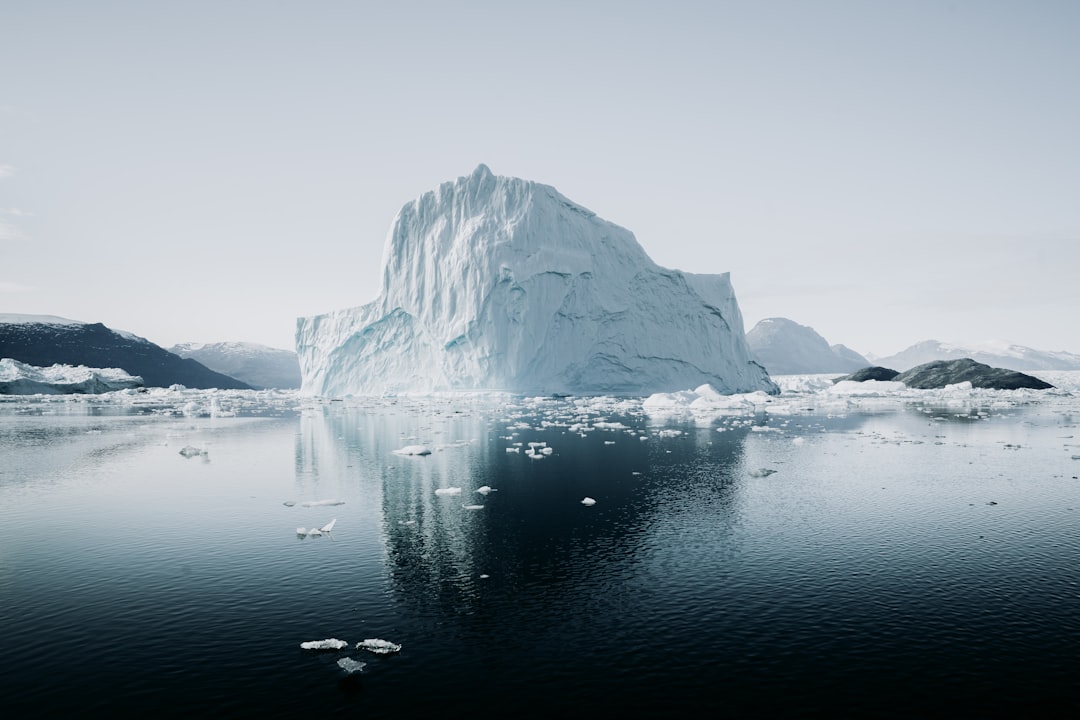
The world’s largest iceberg, A23a, has broken free from a stationary spin and is now moving north through the Southern Ocean. The British Antarctic Survey confirmed the development on December 13, 2024. For scientists, this is not just a curiosity. It is a data opportunity.
The iceberg had been stuck in a Taylor column, a rotating vortex of water that held it in place. Now it’s drifting. The change in its behavior is the core of this story. The British Antarctic Survey is shifting its focus from watching a trapped block of ice to tracking a moving one.
Dr. Dominic Hodgson, a glaciologist with the survey, is leading the research. He will be watching what happens as A23a hits warmer water and different currents. The iceberg’s composition will change. Its path will shift. The whole process is a live experiment.
The survey is not a small operation. It has over 400 staff. It works with more than 40 UK universities. It has research stations, a ship, and aircraft. All of those assets are being turned toward A23a. The plan is to collect data on movement and on the effect the iceberg has on the ecosystem around it.
Professor Dame Jane Francis, the director of the British Antarctic Survey, stated that the team is committed to advancing understanding of the polar regions and their role in the global system. That is a broad mission. A23a is a specific, concrete piece of it.
The iceberg itself is a piece of history. It calved from the Antarctic ice sheet. As it moves, it carries a record of the geology it came from. Studying its composition tells scientists about the processes that shape the Antarctic landscape. That knowledge feeds into future research and conservation work.
Dr. Hodgson put it plainly. He said the study of A23a will help scientists better understand the dynamics of the Antarctic ice sheet. More importantly, it will help them understand the potential impact on global sea levels. That is the real weight of this story. A drifting iceberg is a visible symptom of a much larger system at work.
The British Antarctic Survey has been watching this iceberg for a long time. It has been stuck since it calved. Now it is moving. The shift from stationary to mobile is the critical moment. It changes what scientists can measure.
They can now track how ocean currents and temperature changes affect a massive object. They can see how the iceberg breaks down. They can measure the fresh water it releases as it melts. All of that data feeds into models of ice sheet behavior.
The survey is well equipped for this. It has the infrastructure to follow the iceberg over a long distance. The research will not be quick. Icebergs move slowly. A23a is enormous. It will take time to see the full picture.
But the start of that movement is the news. The iceberg is no longer a fixed point on a map. It is a traveler. And every mile it goes north, it tells a story about the ice, the ocean, and the climate. The British Antarctic Survey is there to read that story.